Our Range













The Return of Decorative Borders: How Art Deco Design Details Are Making a Comeback
One hundred years since Art Deco defined an era with its bold forms, rich palettes, and geometric rigour, decorative borders are resurfacing as a modern tool for bringing structure and personality to interiors. As designers revisit the glamour and craftsmanship that defined the era, this once-classic design feature is finding renewed relevance in modern homes.
Following years of soft minimalism, organic forms, and seamless surfaces, there is a growing appreciation for design elements that bring structure and definition to a space. From tile layouts and joinery details to hardware, borders are being used to frame features, establish focal points, and introduce rhythm, hierarchy, and visual interest.
Rather than feeling nostalgic, today's interpretation of the decorative border offers a sophisticated counterpoint to the relaxed, earthy interiors that have dominated recent years. It brings a sense of order and quiet drama, proving that sometimes the most impactful design statement lies in the frame itself.
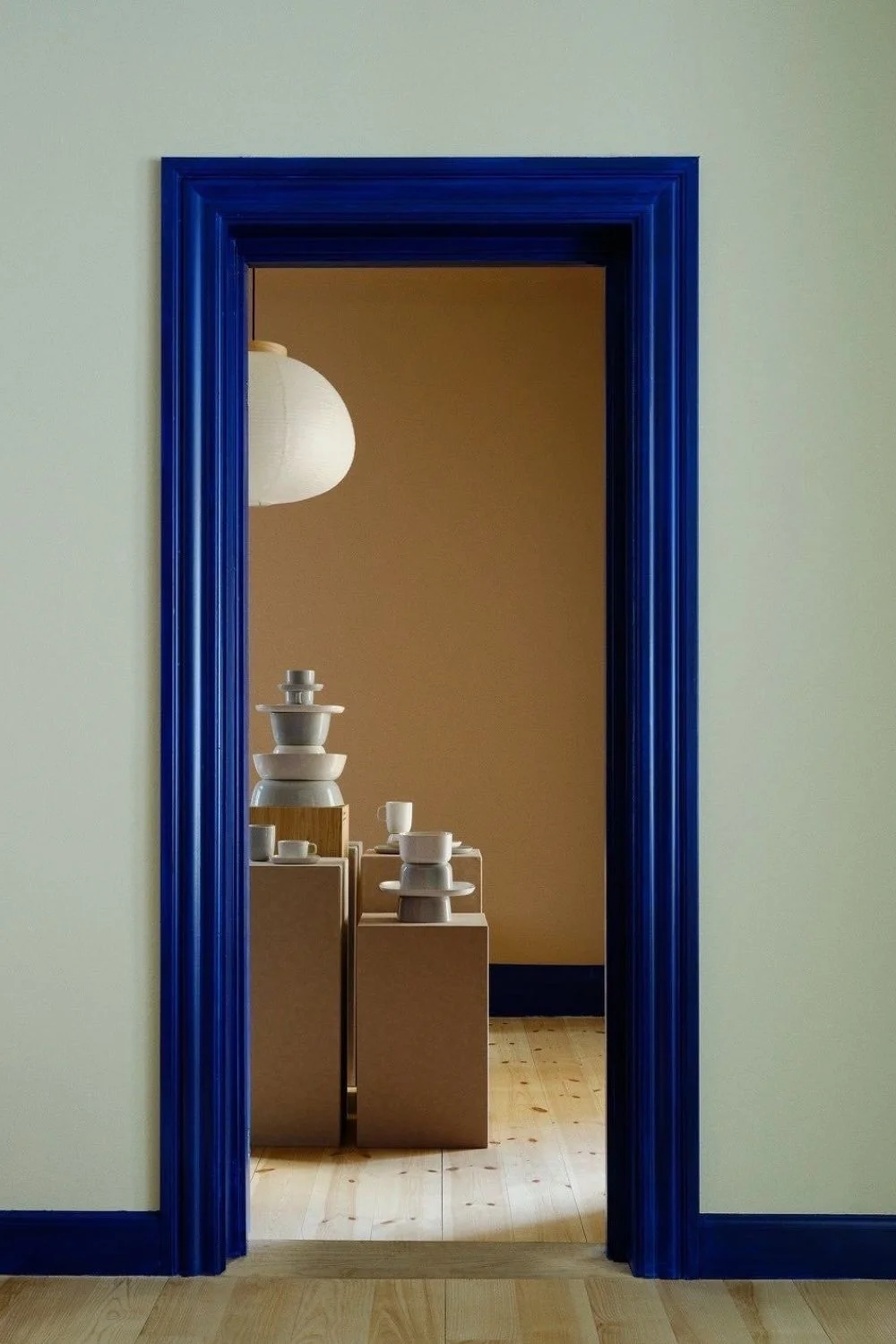
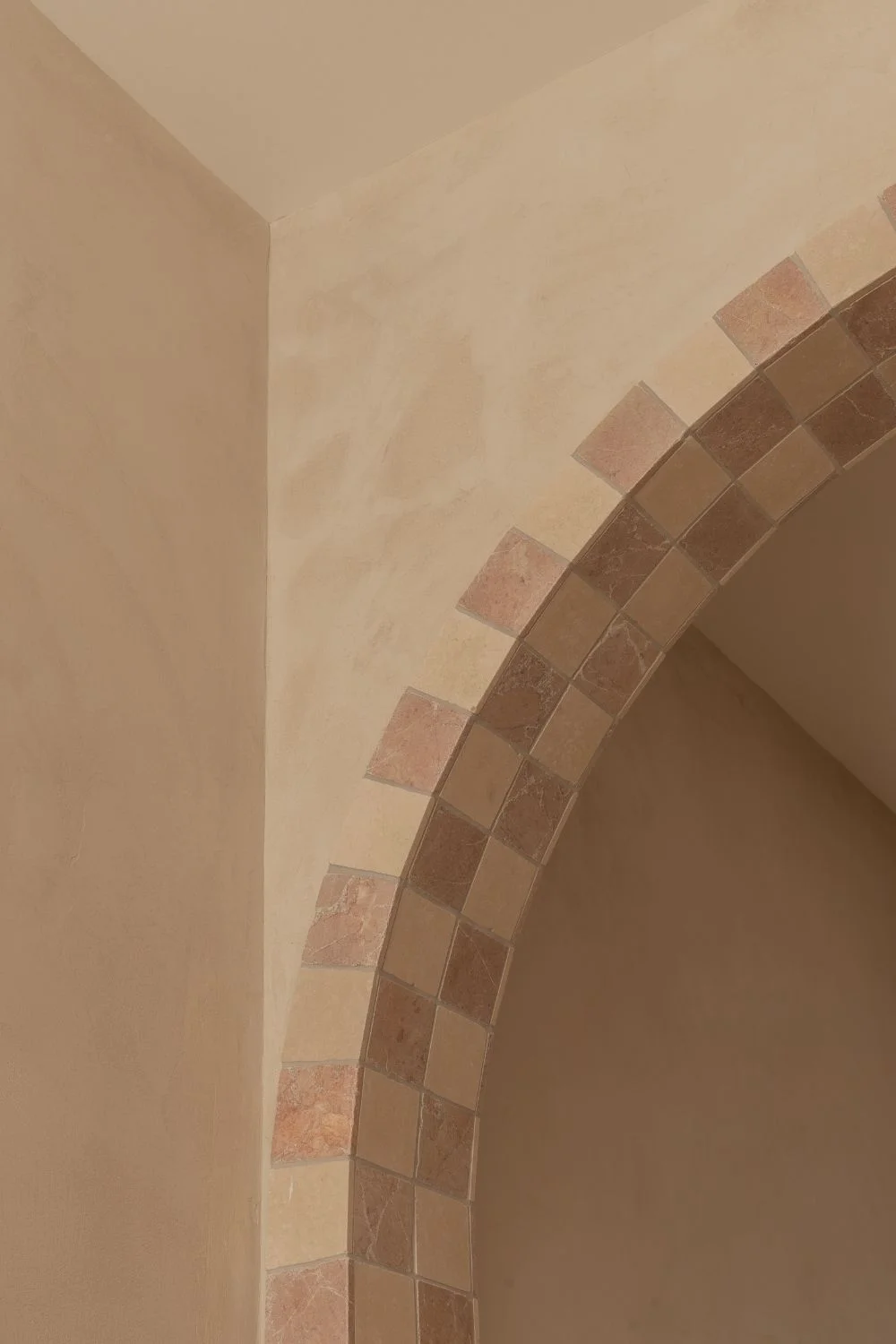
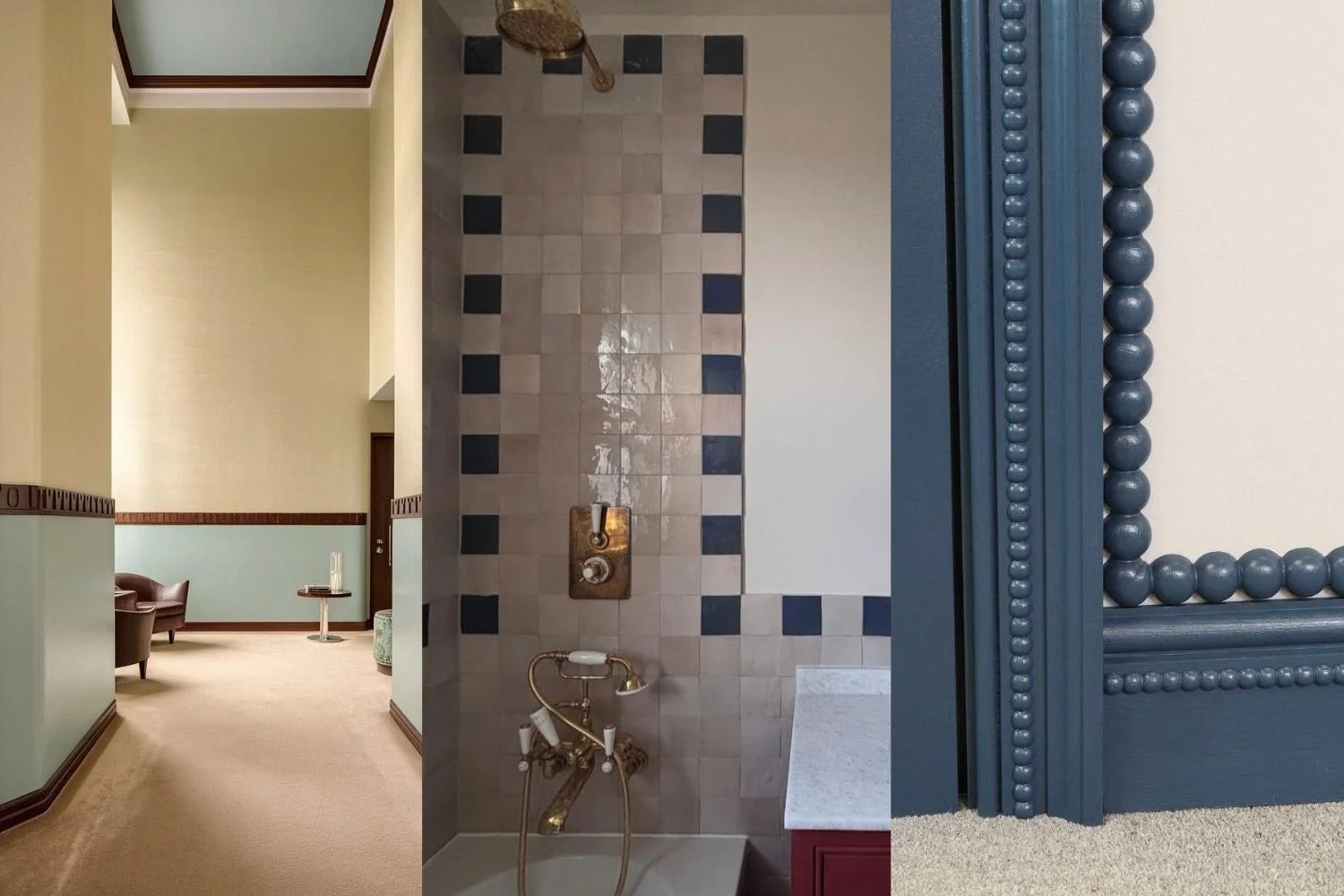
Art Deco borders served a purpose well beyond decoration, used to define areas within a space, create visual hierarchy, and lead the eye through a room. Whether applied to architecture, furniture, timber flooring, or surfaces, these framing devices brought a sense of order, balance, and intention to a design. For example, the frieze is the border at its boldest, a horizontal band of decoration running across the top of ancient Greek temples that was reimagined by Art Deco designers for the modern world.
With the ability to highlight architectural details, create a colourful anchor within a calming palette, or draw attention to a favourite material, decorative borders offer an artistic yet functional design feature. Explore how they can bring structure, character, and visual interest to your home, and discover the styles best suited to your interior aesthetic.
From Frameless to Framed
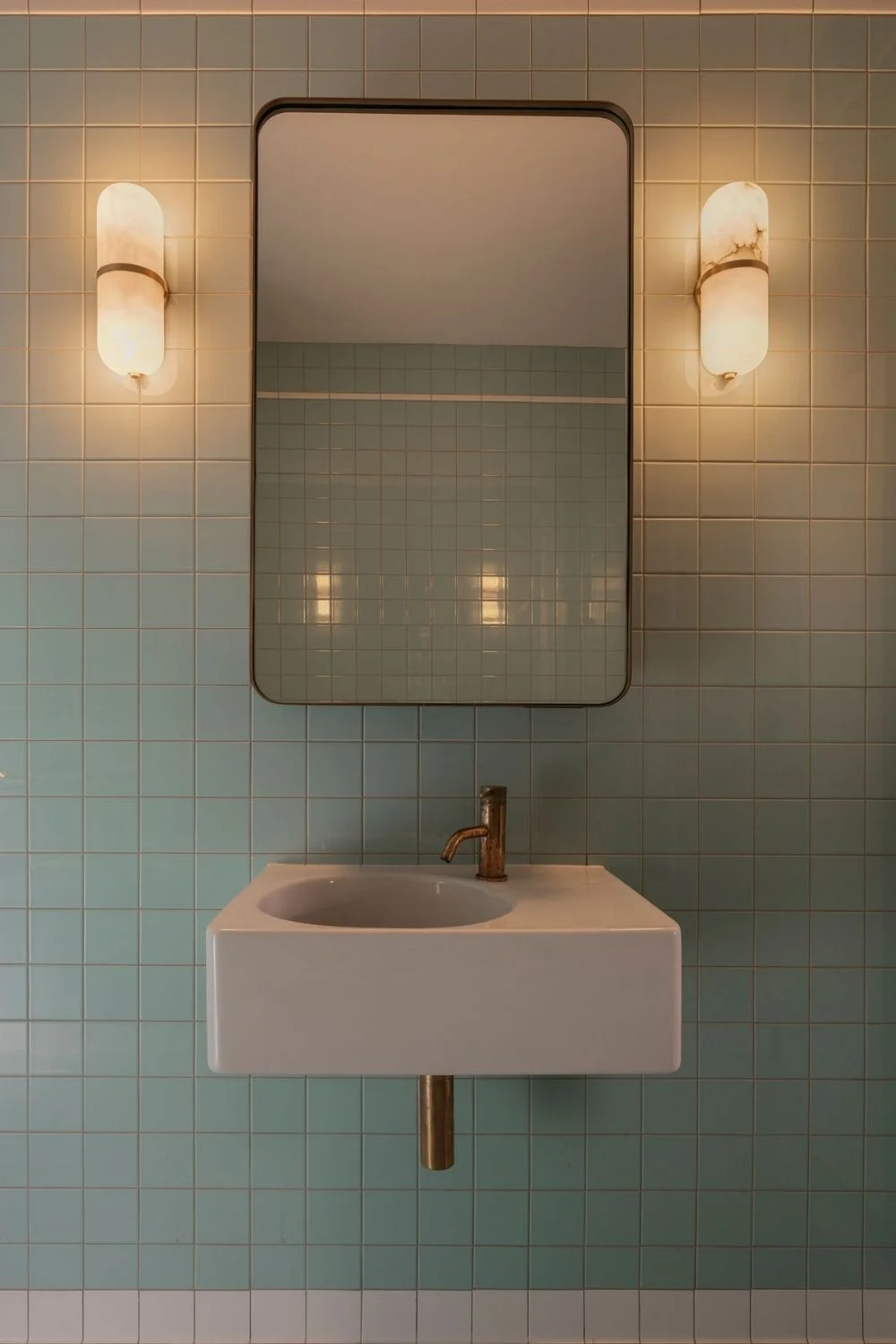
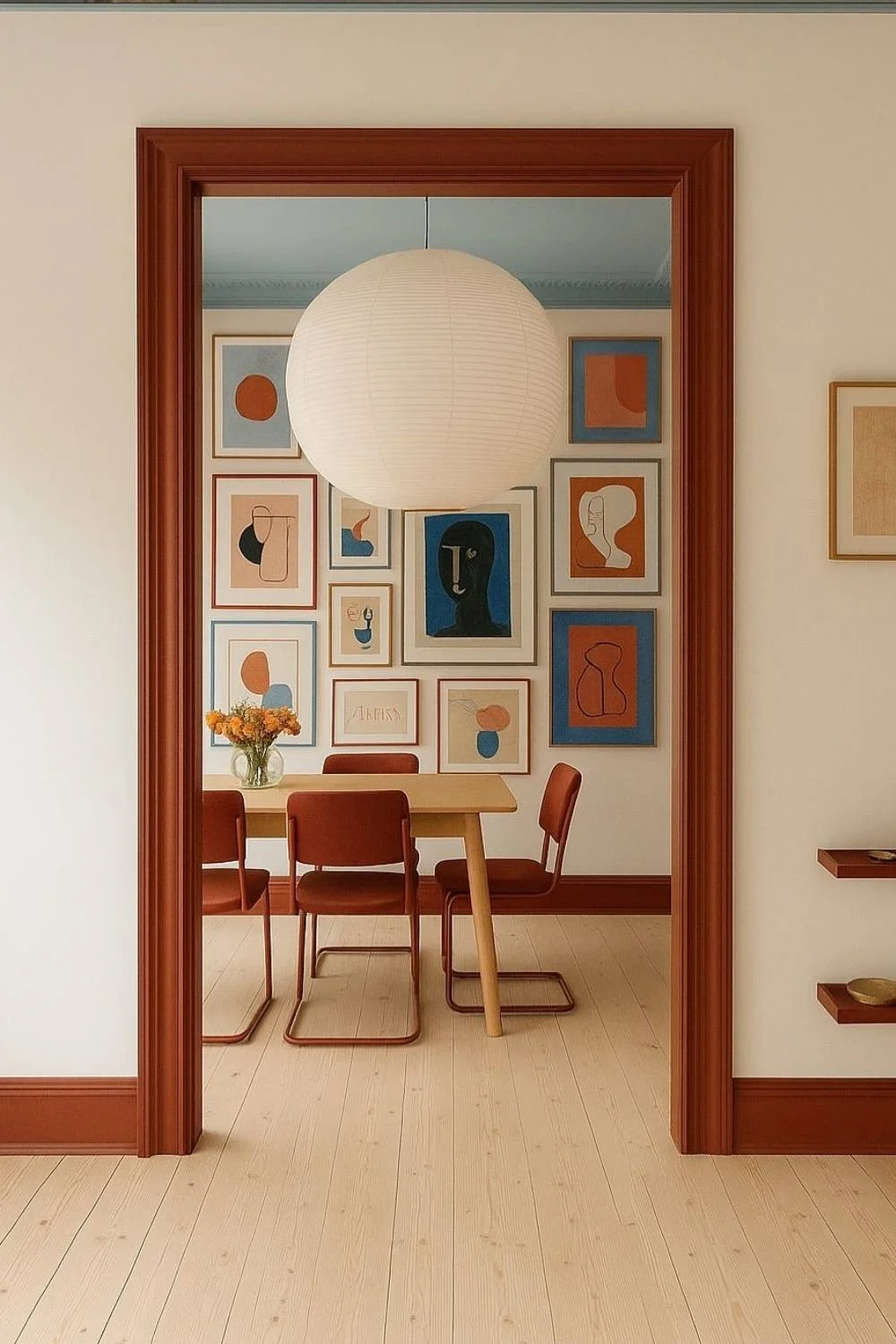
For the better part of the past ten years, interior design has favoured a sense of continuity. Flush cabinetry, uninterrupted stone surfaces, and pared-back detailing have championed simplicity by removing visual boundaries and allowing materials to flow seamlessly from one element to the next.
While this approach continues to resonate, there is a growing desire for interiors with greater definition and personality. As homeowners and designers seek ways to add character without overwhelming a space, decorative borders offer the perfect solution.
The Border as Restraint
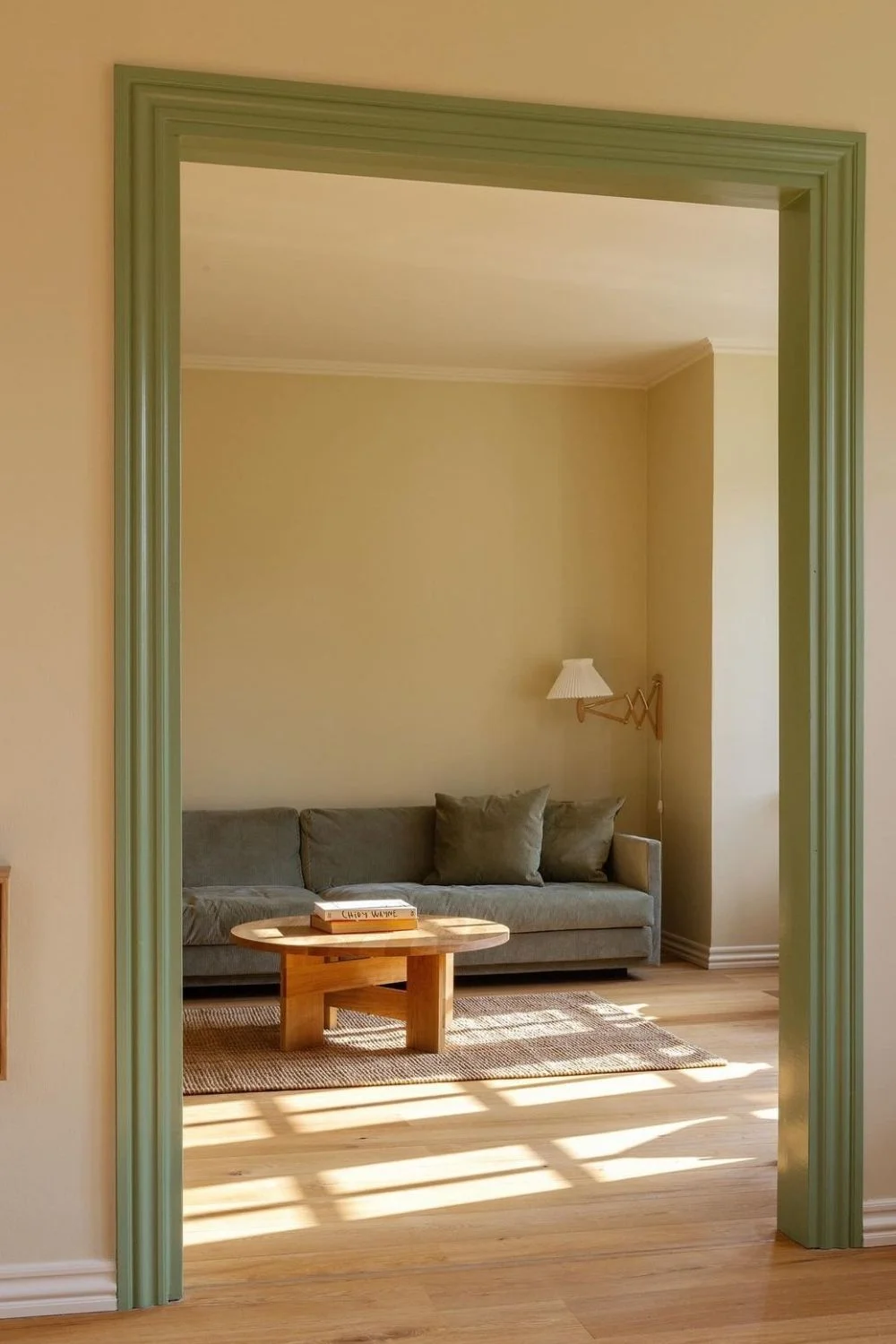
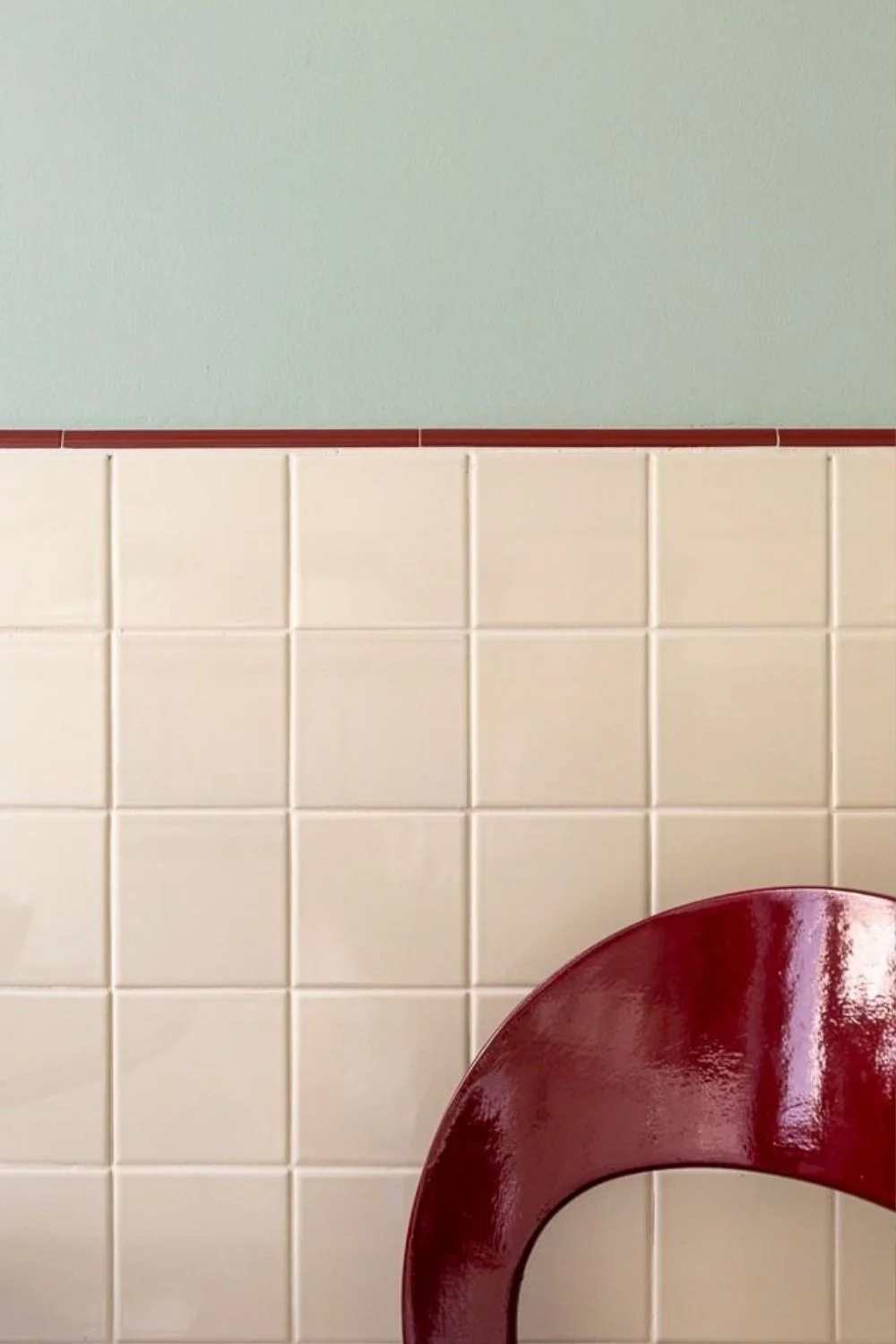
What makes decorative borders so fitting for today's interiors is their capacity to create impact through restraint and precision. In an era where richly veined marbles, bold tiles, and expressive finishes are increasingly embraced, borders offer a way to balance these materials with structure.
Unlike overtly decorative approaches, borders establish boundaries. They frame patterns, define transitions, and create moments of pause within a space, preventing individual elements from competing for attention. A dramatic material can feel more intentional when contained within a clearly defined edge, allowing its character to shine without overwhelming the room.
A Century On
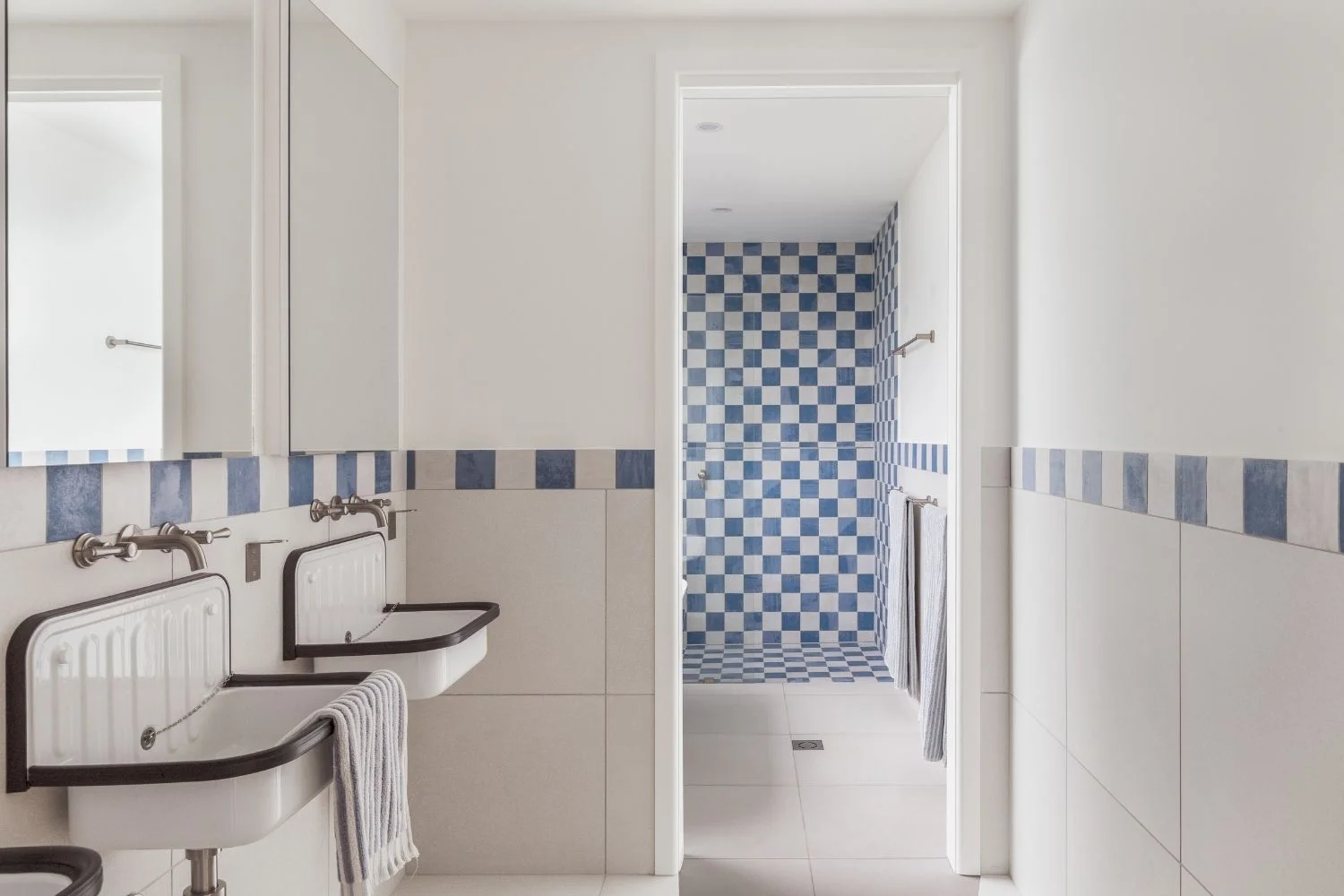
A century after Art Deco first captivated the world, its borders remain proof that considered restraint can carry just as much weight as bold expression. Their enduring appeal lies in their versatility, feeling equally at home in heritage-inspired interiors as they do in contemporary settings, proving that sometimes the details surrounding a design are what give it meaning.
Where Borders Are Reappearing in the Home
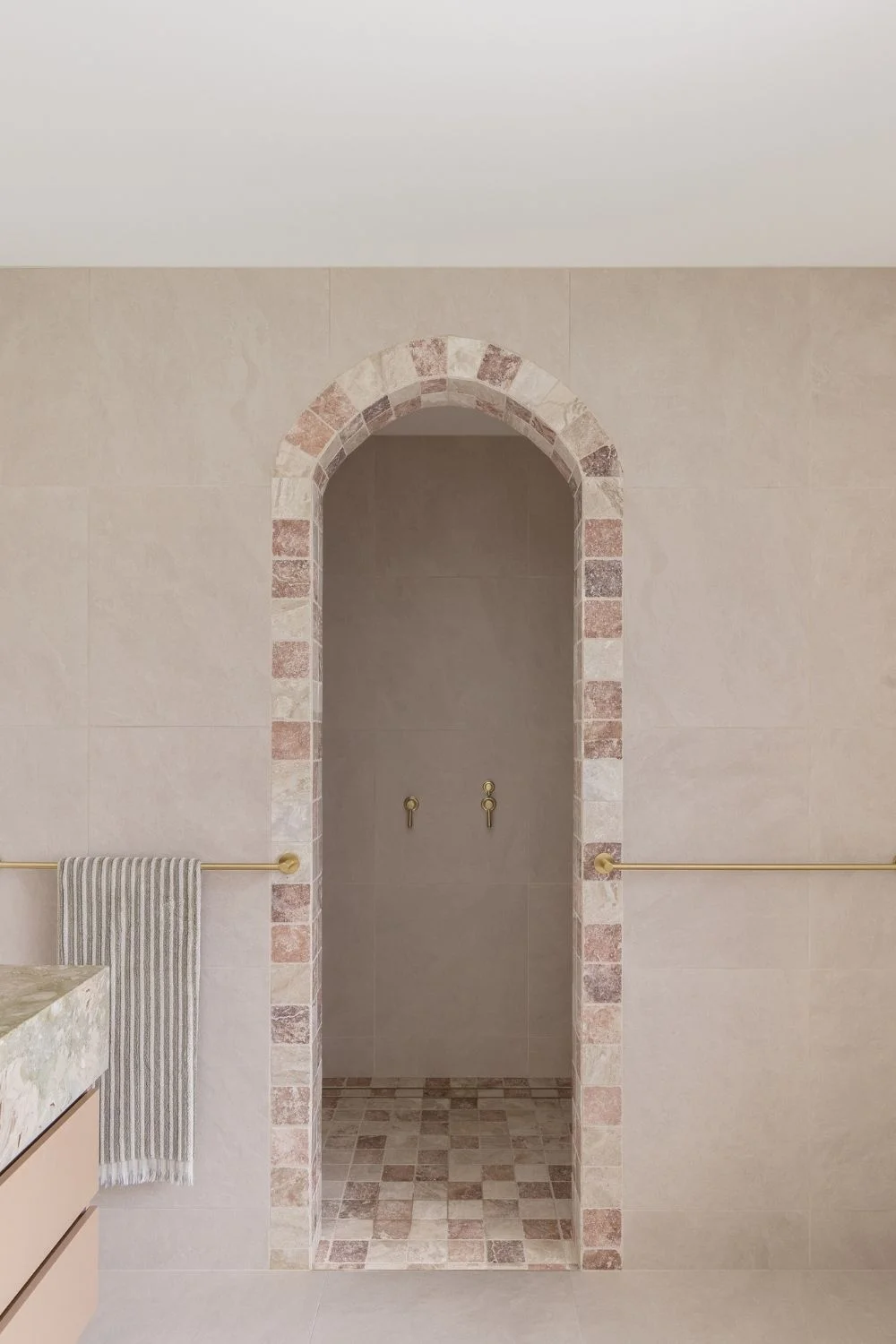
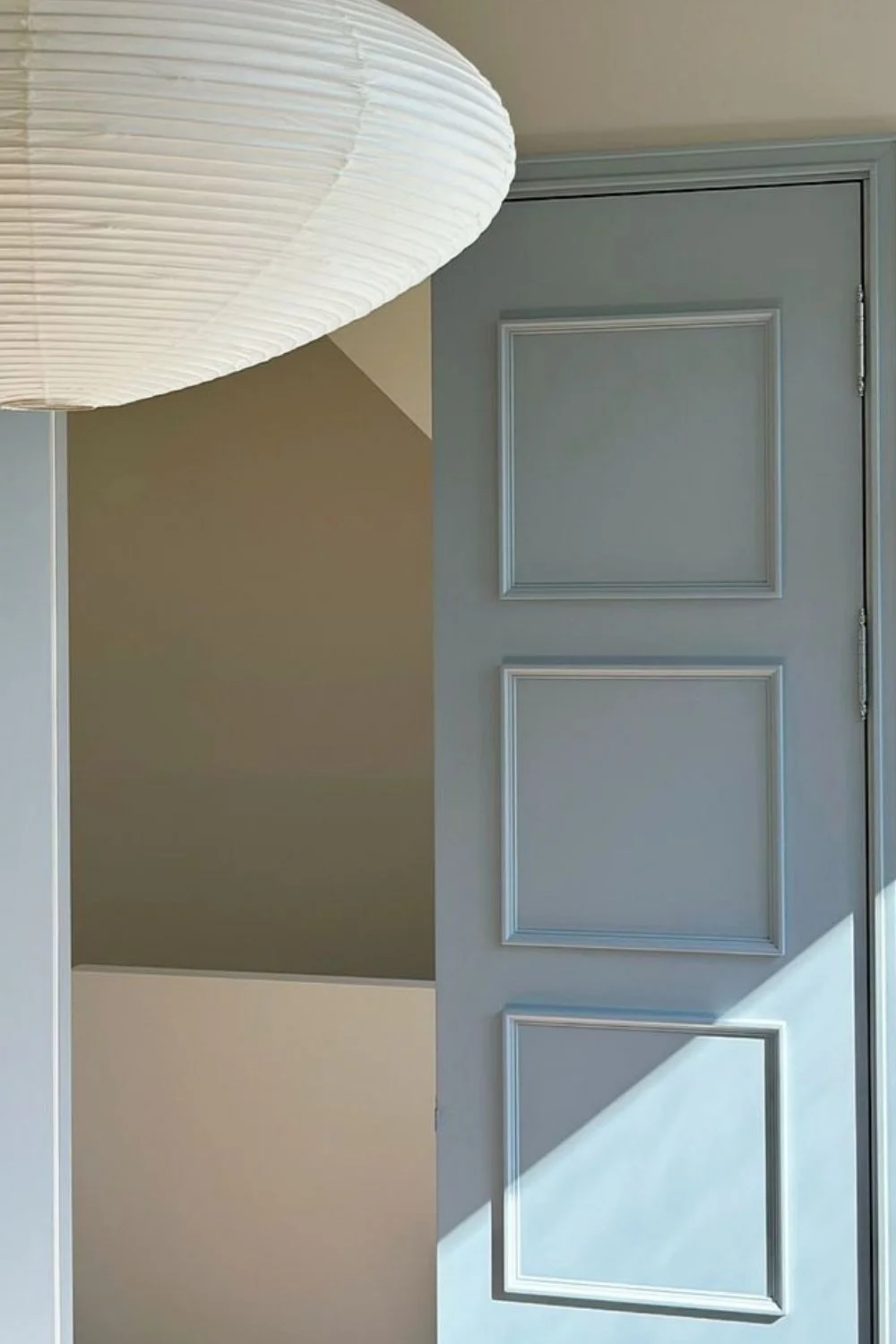
From framing a doorway or shower to marking the transition between wall and ceiling, or enriching a space through skirting and baseboard details, decorative borders present distinct opportunities to bring structure and personality to every room. The result is a design detail that feels versatile rather than period-specific, adapting easily to any era.
Bathrooms
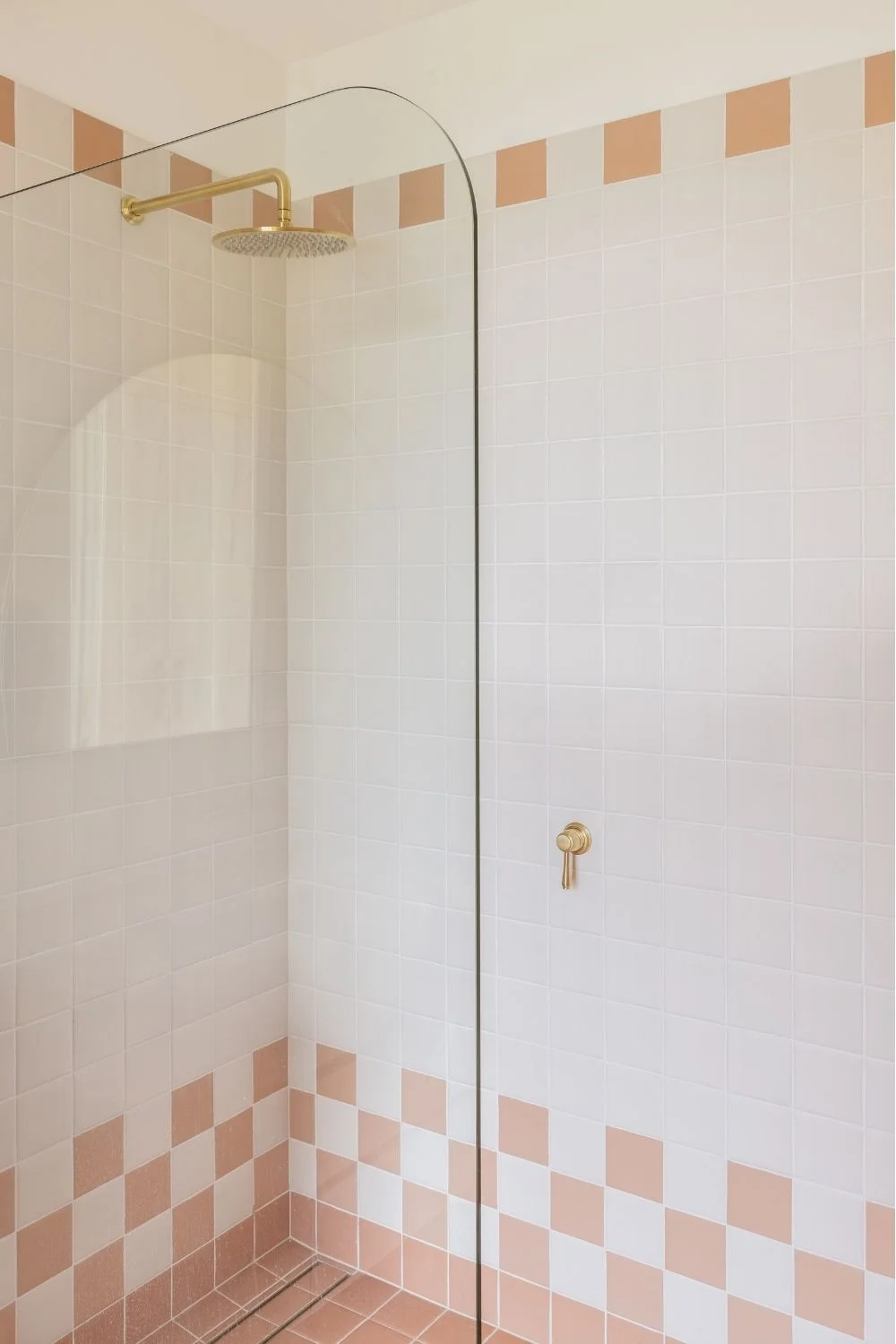
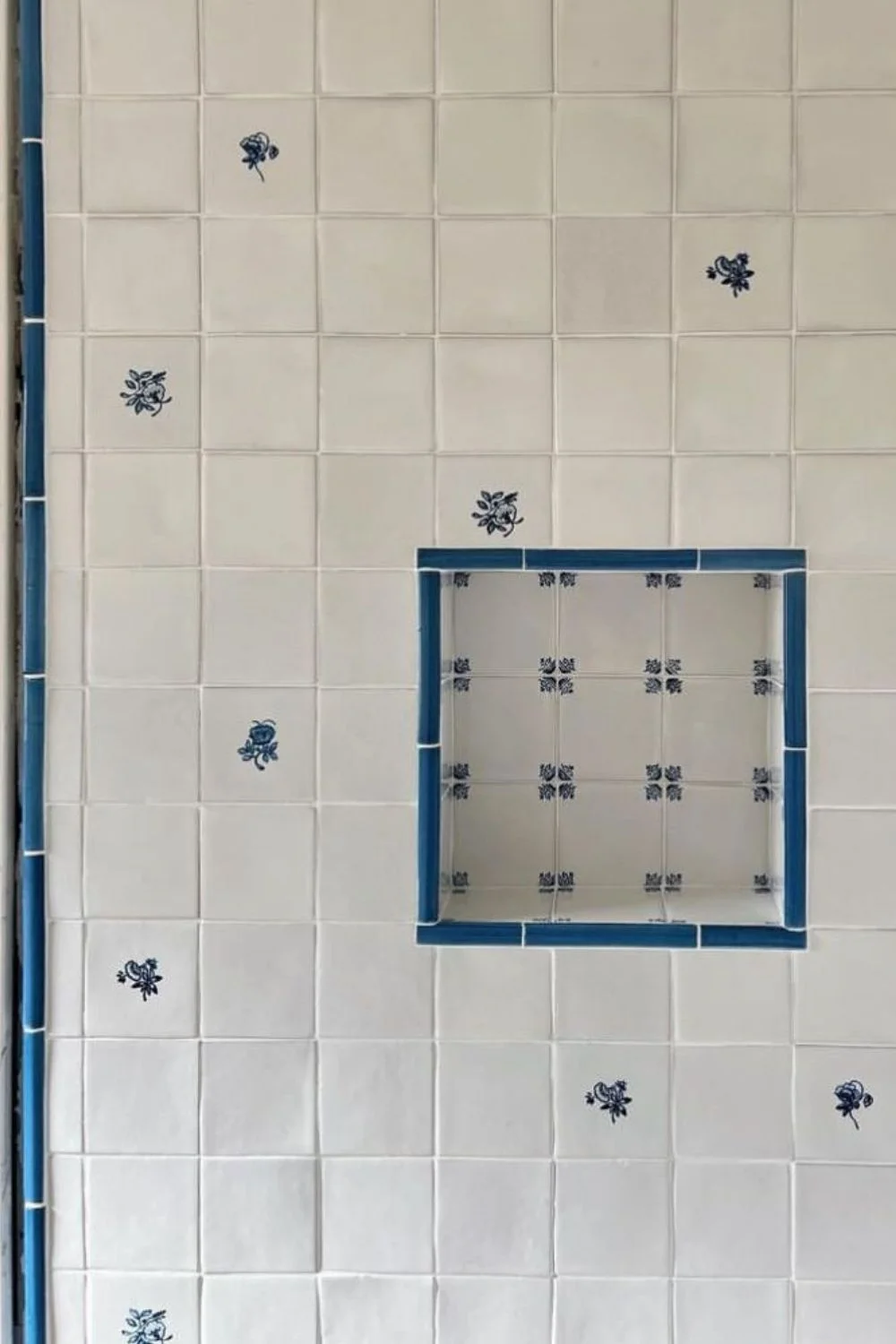
In bathrooms, contrasting tile trims and framed shower niches create moments of definition.
Kitchens
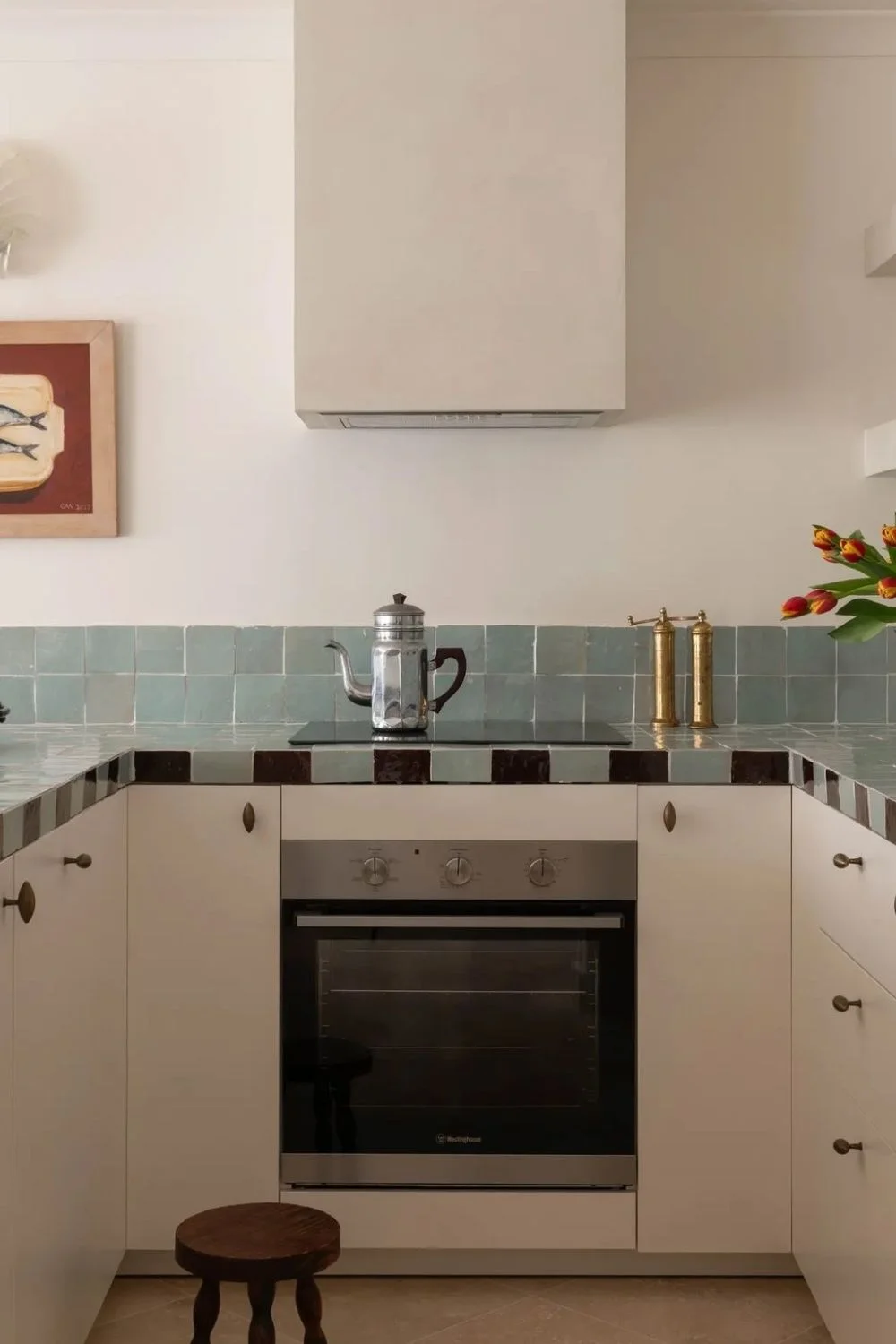
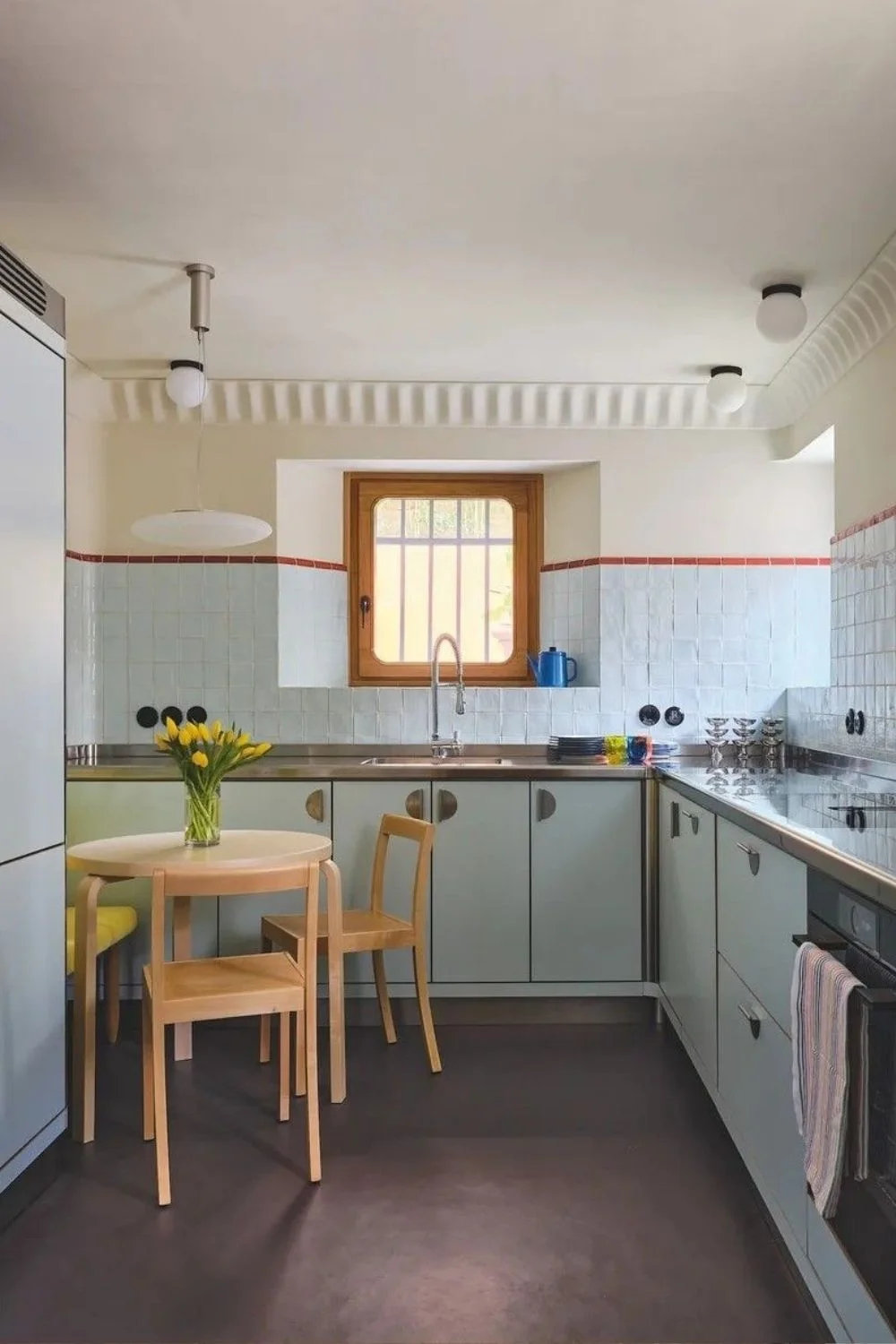
Kitchens are embracing bordered splashbacks and stone inlays that frame key zones.
Halls & Entryways
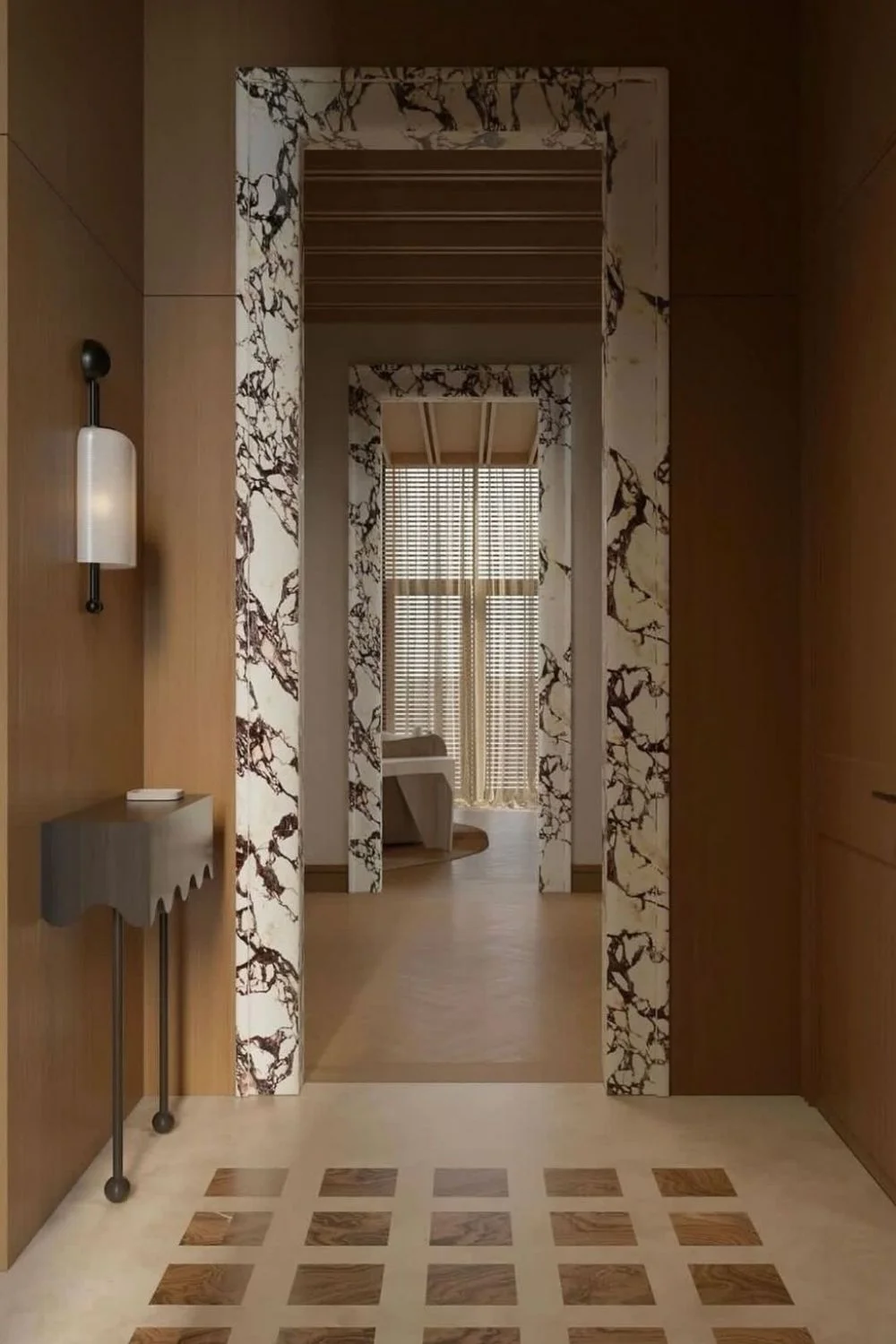
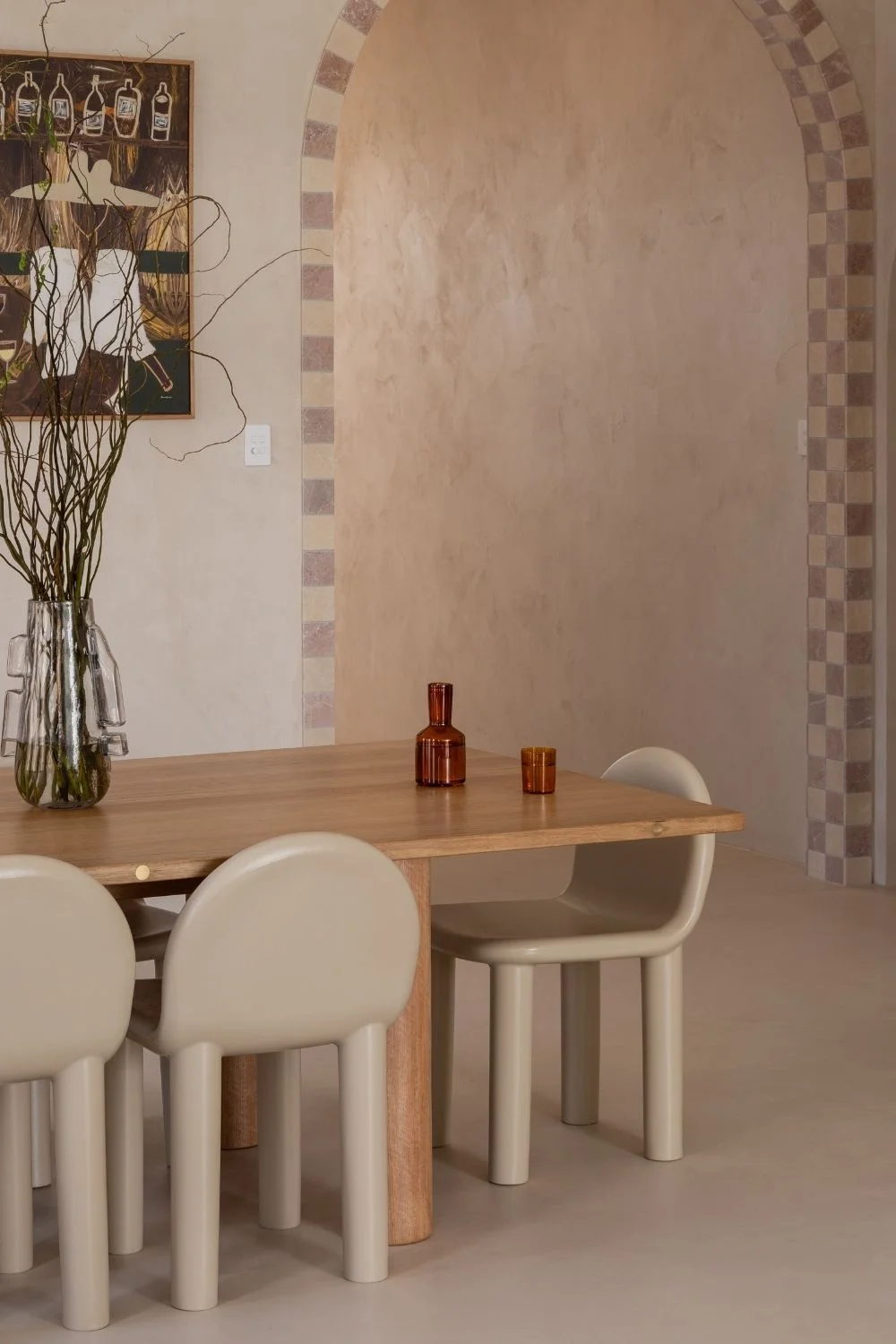
Elsewhere, outlined joinery, framed mirrors, and decorative wall panelling introduce geometry without overwhelming a space.
Borders Through Material Contrast
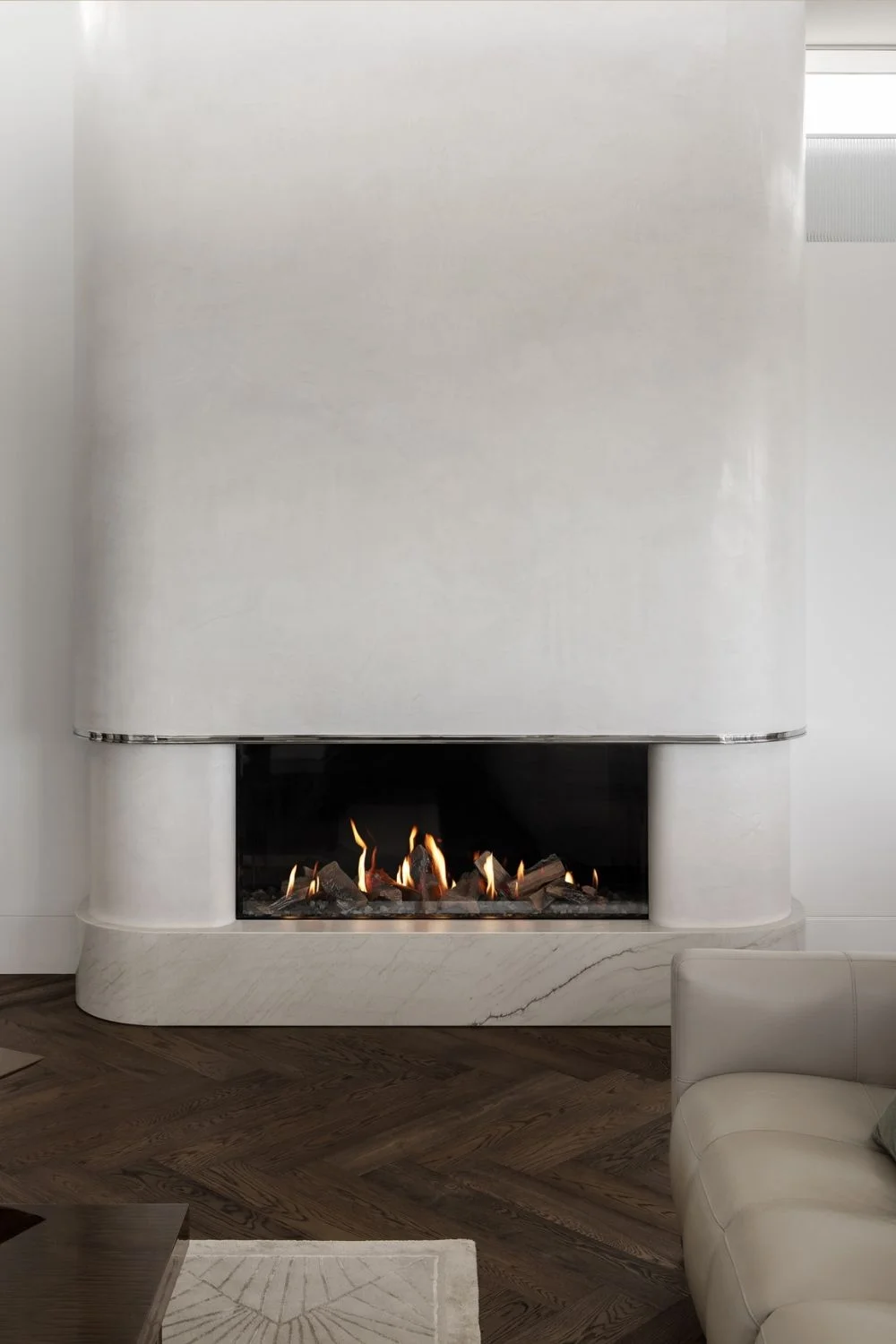
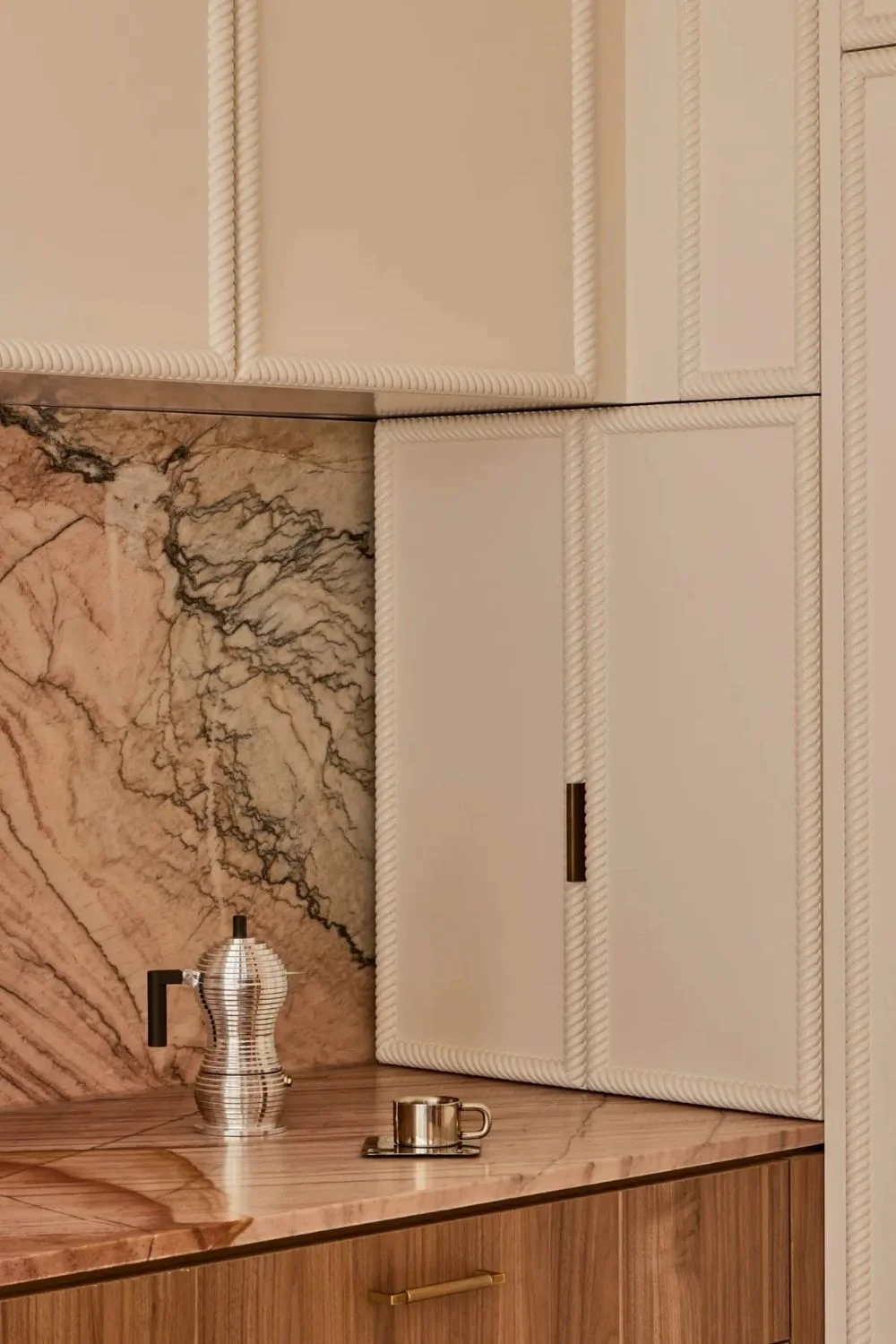
Among the most modern takes on the Deco border is one defined by material choice rather than decorative detail. A slim brass trim against stone, a darker tile framing a lighter surface, or a contrasting timber inlay can all create the effect of a border without introducing additional decoration. These subtle transitions allow designers to reference Deco principles while maintaining a clean, modern aesthetic.
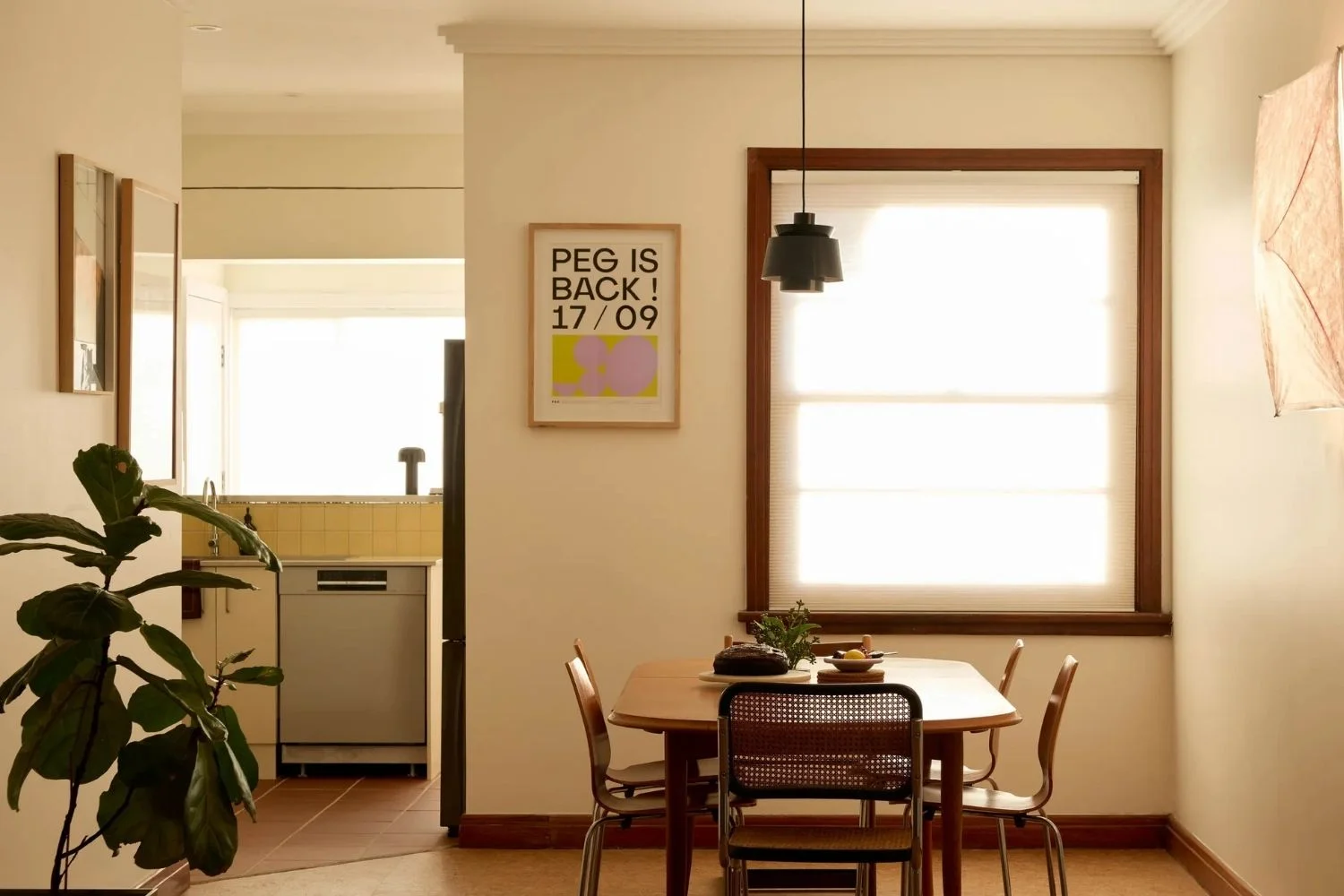
Rather than replicating period styles as past revivals have done, the current Deco revival is far more intentional in what it draws upon. Designers are borrowing the movement's principles of geometry, symmetry, and framing rather than reproducing entire period interiors. The result feels less nostalgic and more evolutionary, blending Deco's sense of order with contemporary materials, softer palettes, and modern lifestyles.
So, as you continue to notice the return of the border, whether it's a framed detail, a frieze, or a chevron edge, pay attention to how it defines a space. After years of pared-back design that favoured seamlessness, borders offer a renewed appreciation for decoration.
The beauty of the trend lies in its accessibility, as you don't need to renovate an entire room to embrace it. Start with a single detail, a framed feature wall, or a decorative band that draws the eye. Sometimes, it's the elements around a design that have the greatest impact on how it is experienced.
Looking for more interior inspiration? Read these blogs:
Create Earthy Elegance With Natural Stone Interior Design