Our Range













Create Earthy Elegance With Natural Stone Interior Design
Natural stone interior design carries a significance that goes well beyond visual beauty. It centres on a material forged over millennia, shaped by pressure, mineral deposits, and the slow, steady forces of the earth itself. In a time increasingly defined by the temporary, stone offers a sense of permanence. Its cool tactility, subtle movement under changing light, and inherent weight bring a grounded, almost instinctive calm to a space.
Today, stone is no longer confined to flat applications, as it is being explored as a sculptural element, introducing depth, form, and architectural presence.
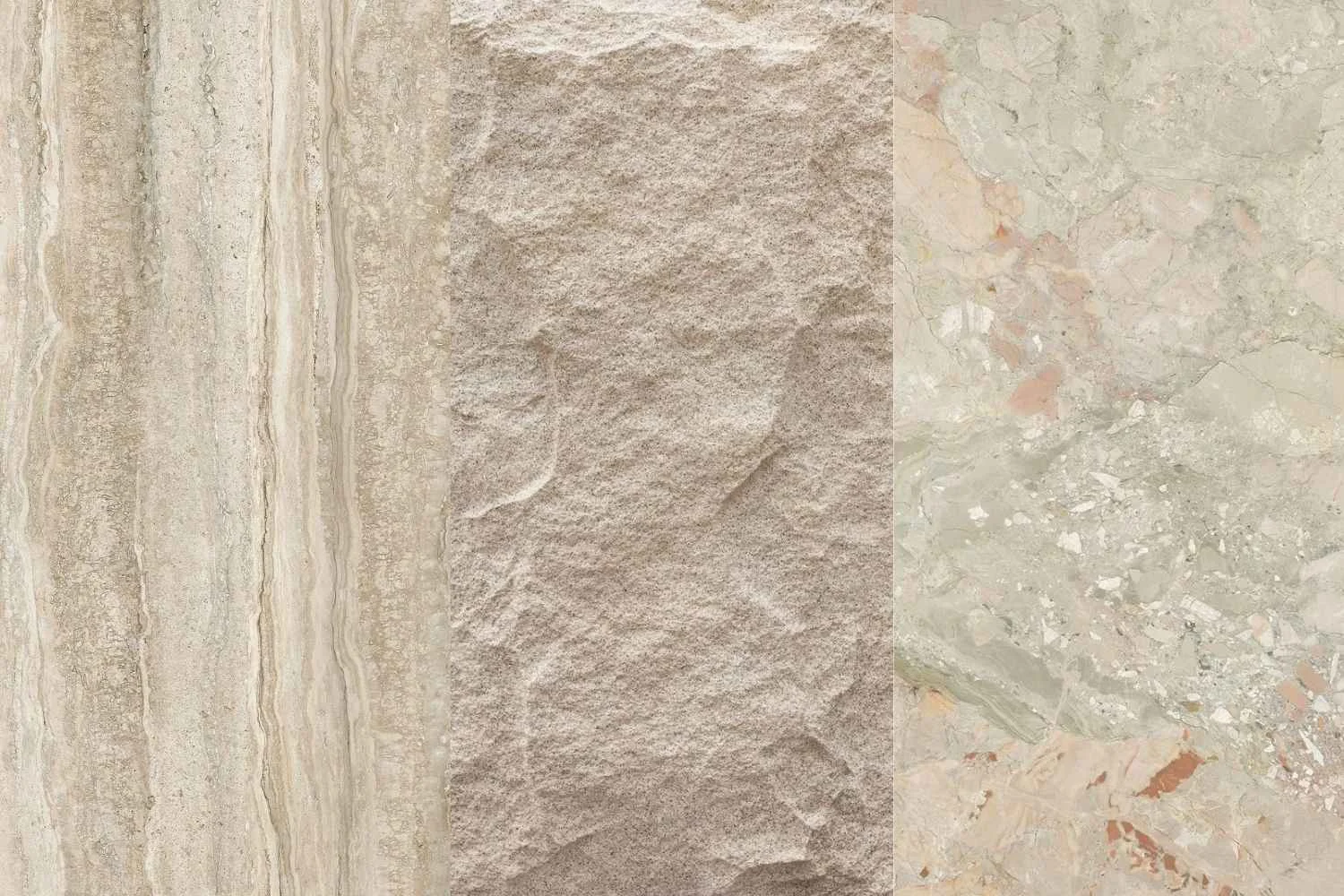
Statement stone may draw the eye, but it isn’t the only way to introduce organic beauty into the home. Natural stone tiles, from travertine and limestone to marble, offer a more considered, understated approach, bringing the tone and texture of nature into a space with quiet refinement.
Warm taupes, soft sands, terracotta, and amber tones form the foundation of contemporary stone interiors, while richer jewel hues, deep greens, and burgundies create moments of contrast and focus.
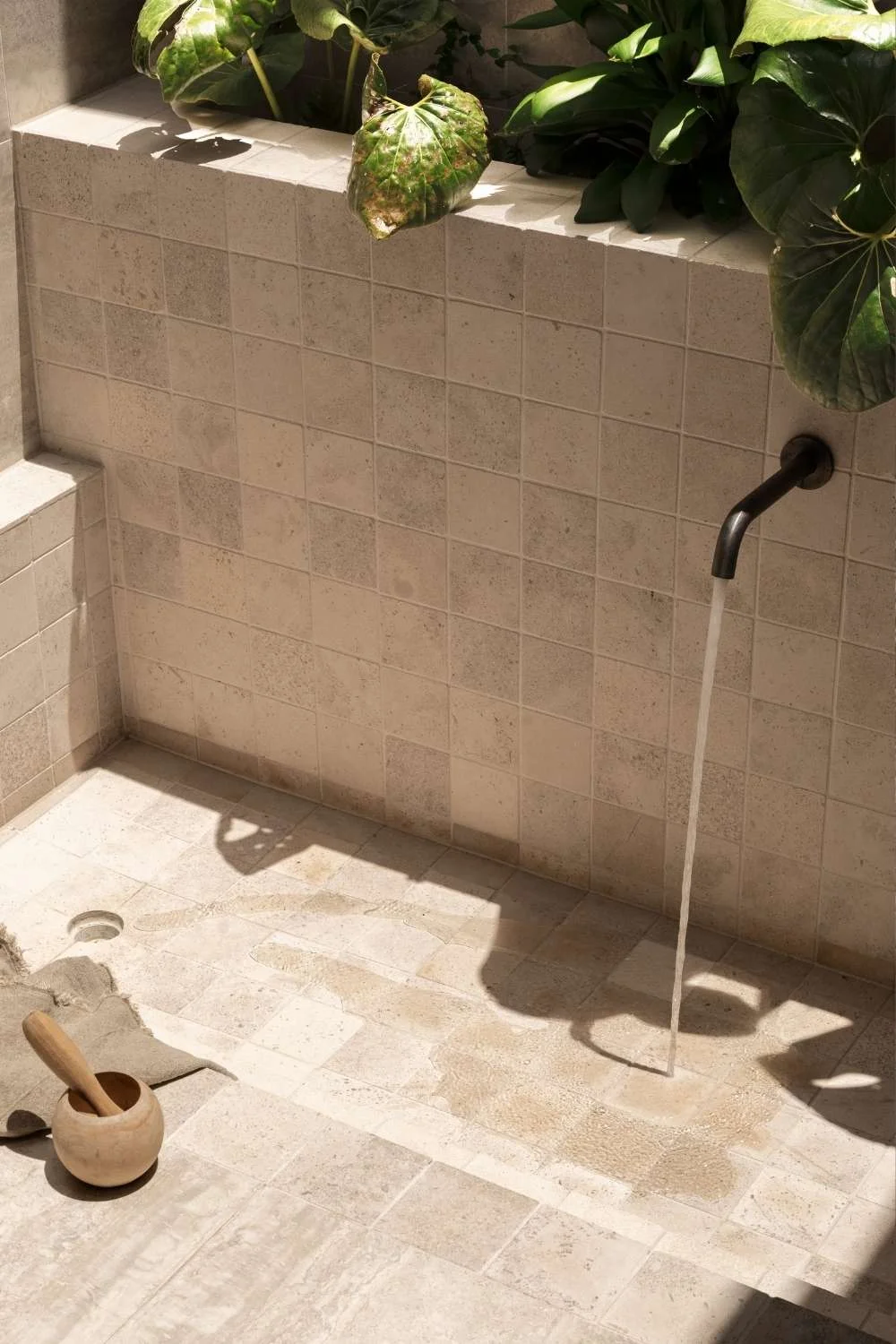
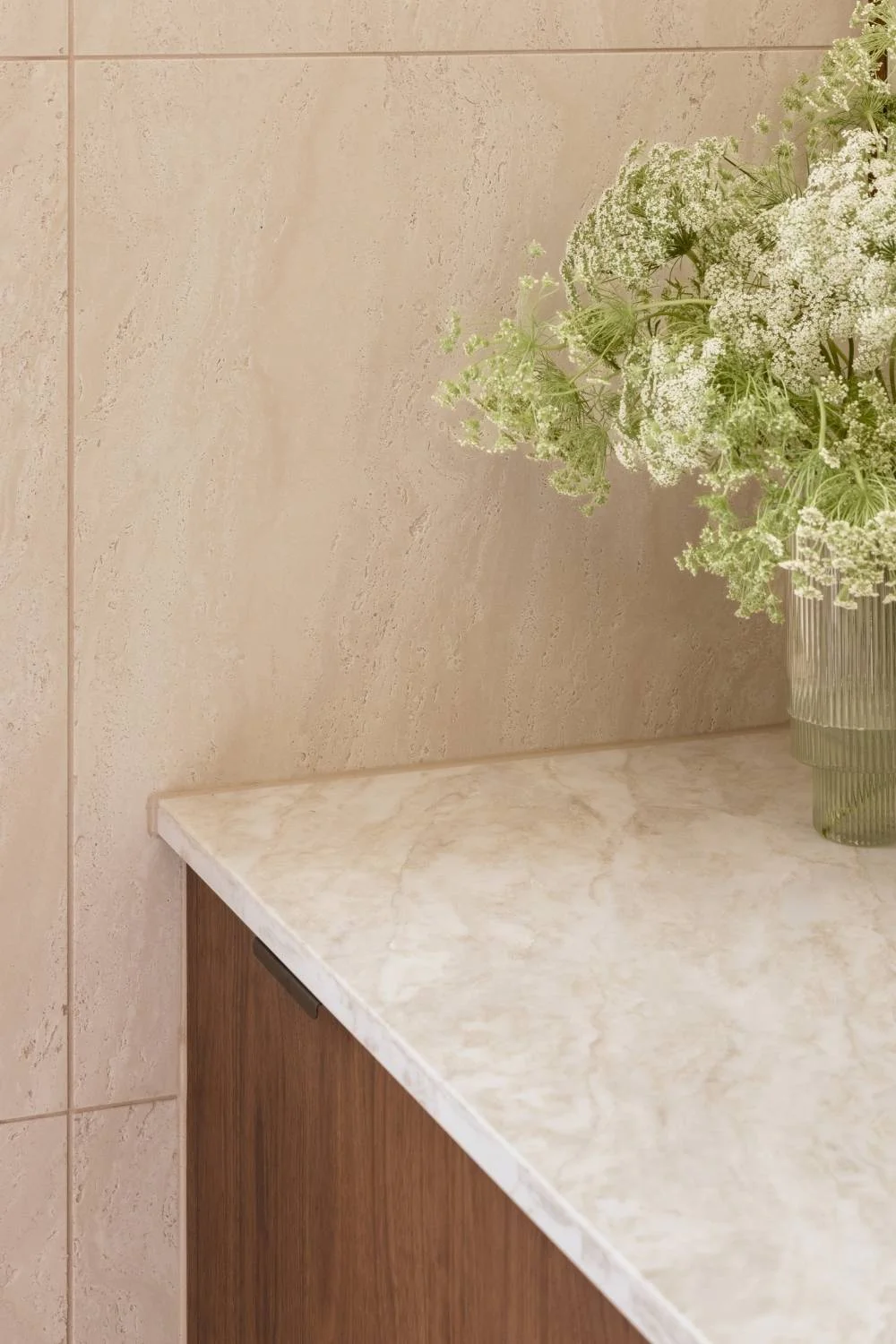
Enduring in both appeal and performance, these materials speak to a broader design language that values longevity, subtle variation, and a connection to nature. Whether anchoring a bathroom, softening a kitchen, or adding depth to a living space, explore how natural stone brings lasting beauty into every room, each with its own sense of character.
The Sensory Side of Stone
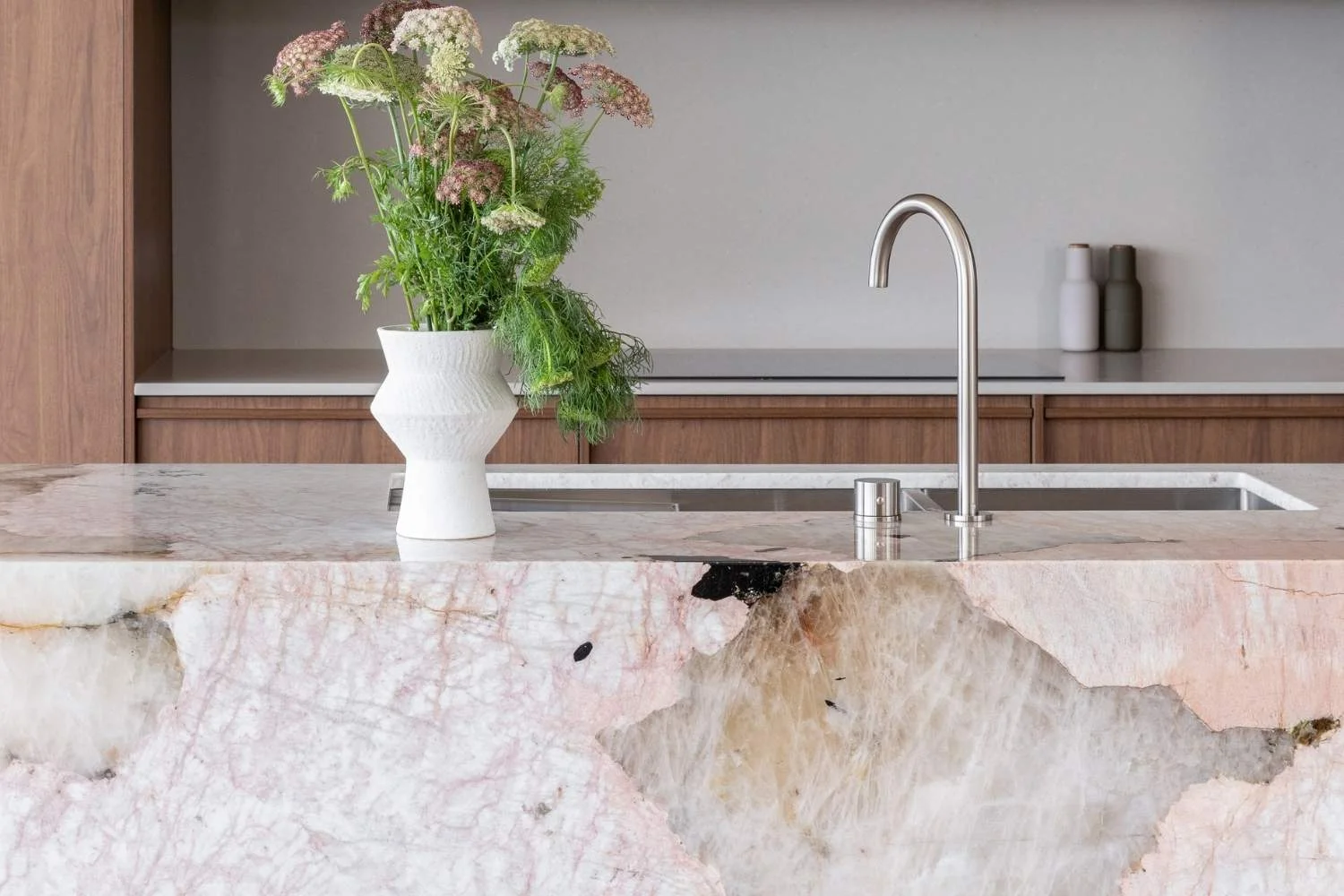
We feel a space before we understand how it works, and nothing shapes that initial response quite like materiality. As natural stone in interior design shifts from a background finish to a defining feature, designers are selecting slabs with the same intention as a piece of art.
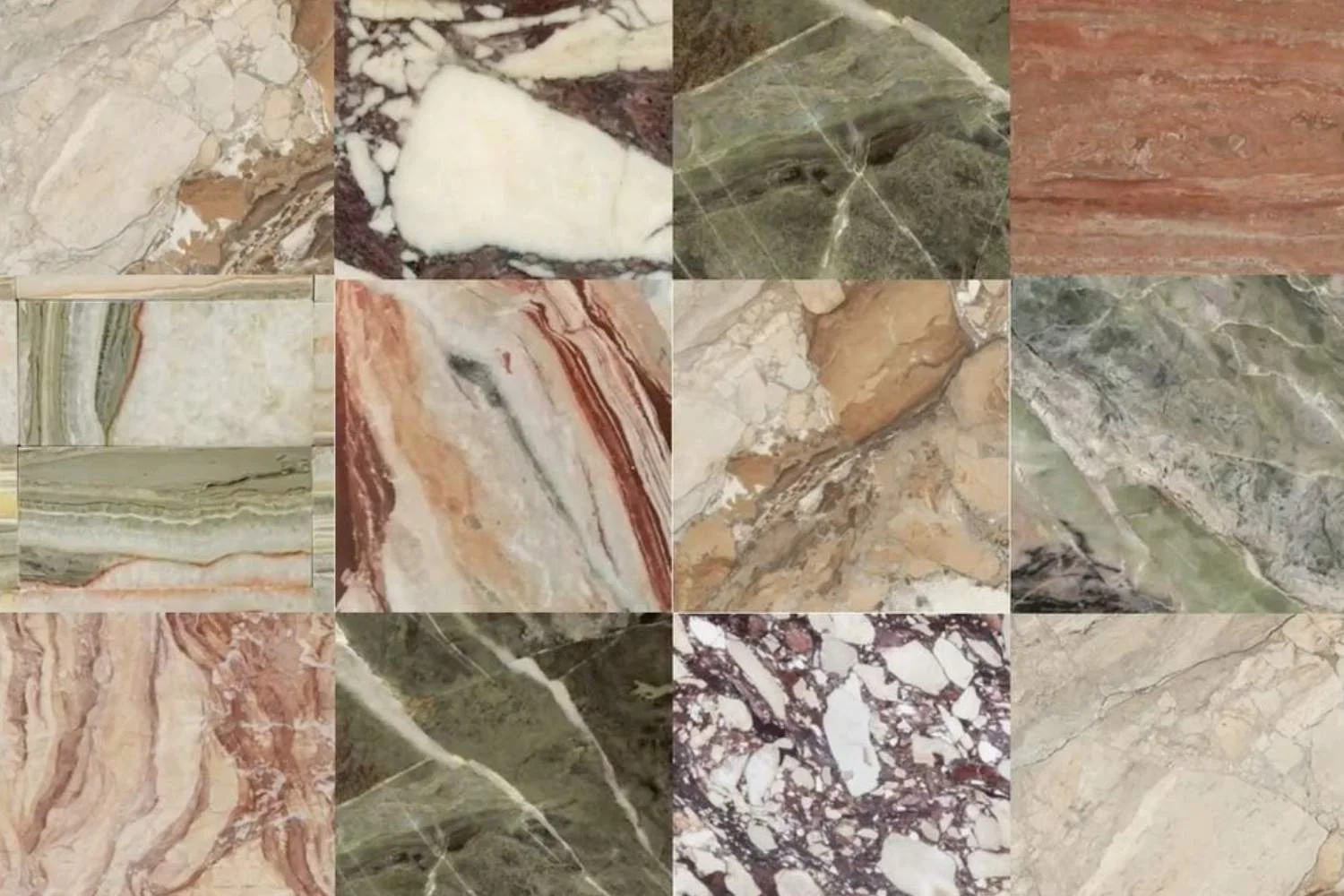
Each stone carries its own variation in veining, tone, and movement, introducing a sense of individuality that cannot be replicated. This is where the emotional resonance lies, in the knowledge that the surface is unique, formed over time, and impossible to duplicate. To live with stone in this way is to live with a singular piece of the earth, one that brings depth, character, and quiet permanence to a space.
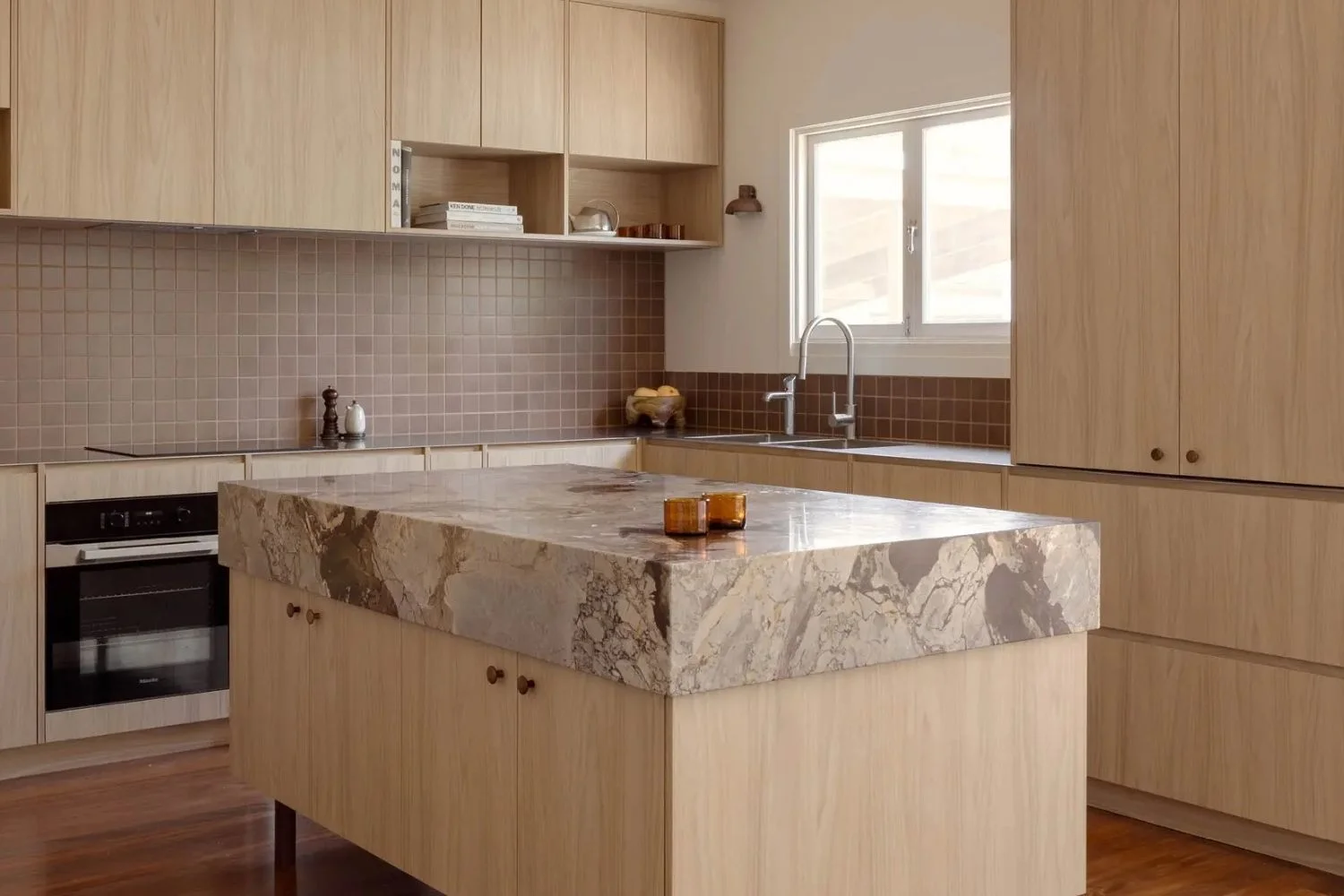
Calming bedrooms and bathrooms call for soft veining and gentle tonal shifts, while more expressive spaces, like dining rooms, invite bolder movement and contrast. This is the essence of sensory design, an intuitive response shaped not just by what we see, but by what we feel.
Subtle Stone Additions
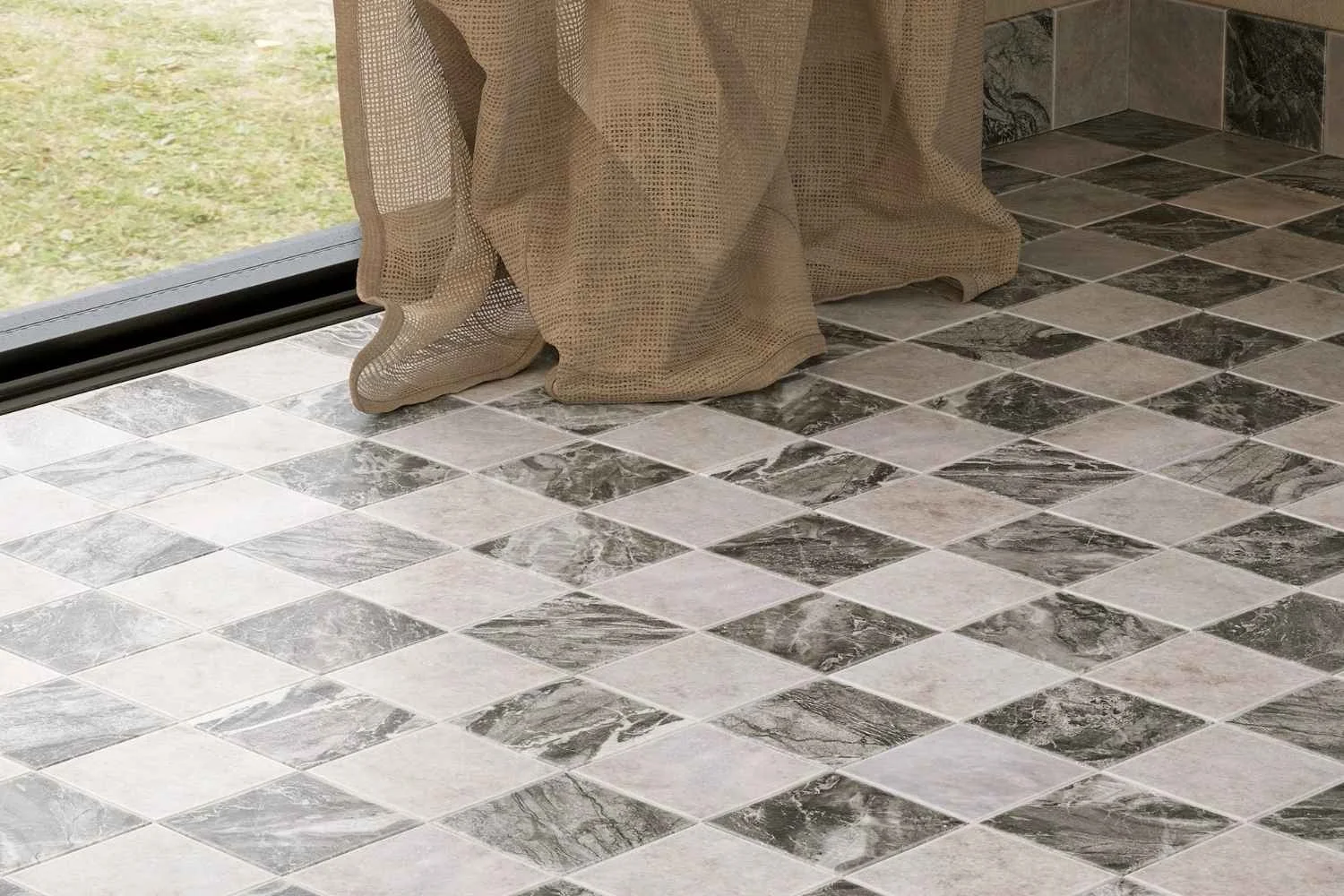
Discover how stone tiles can add both structure and purpose to your space. Whether used as a feature wall, a refined splashback, or a complete surface treatment, they bring rhythm, continuity, and a subtle architectural quality to any room.
Unlike other interior options that may fade in and out of fashion, natural stone interiors never date and remain a classic choice to enhance any room. Used in interiors for thousands of years, from Roman villas to Parisian apartments, stone has remained consistently relevant. Rather than following design movements, it often defines them, quietly setting the tone for what feels enduring and refined.
Marble Tiles
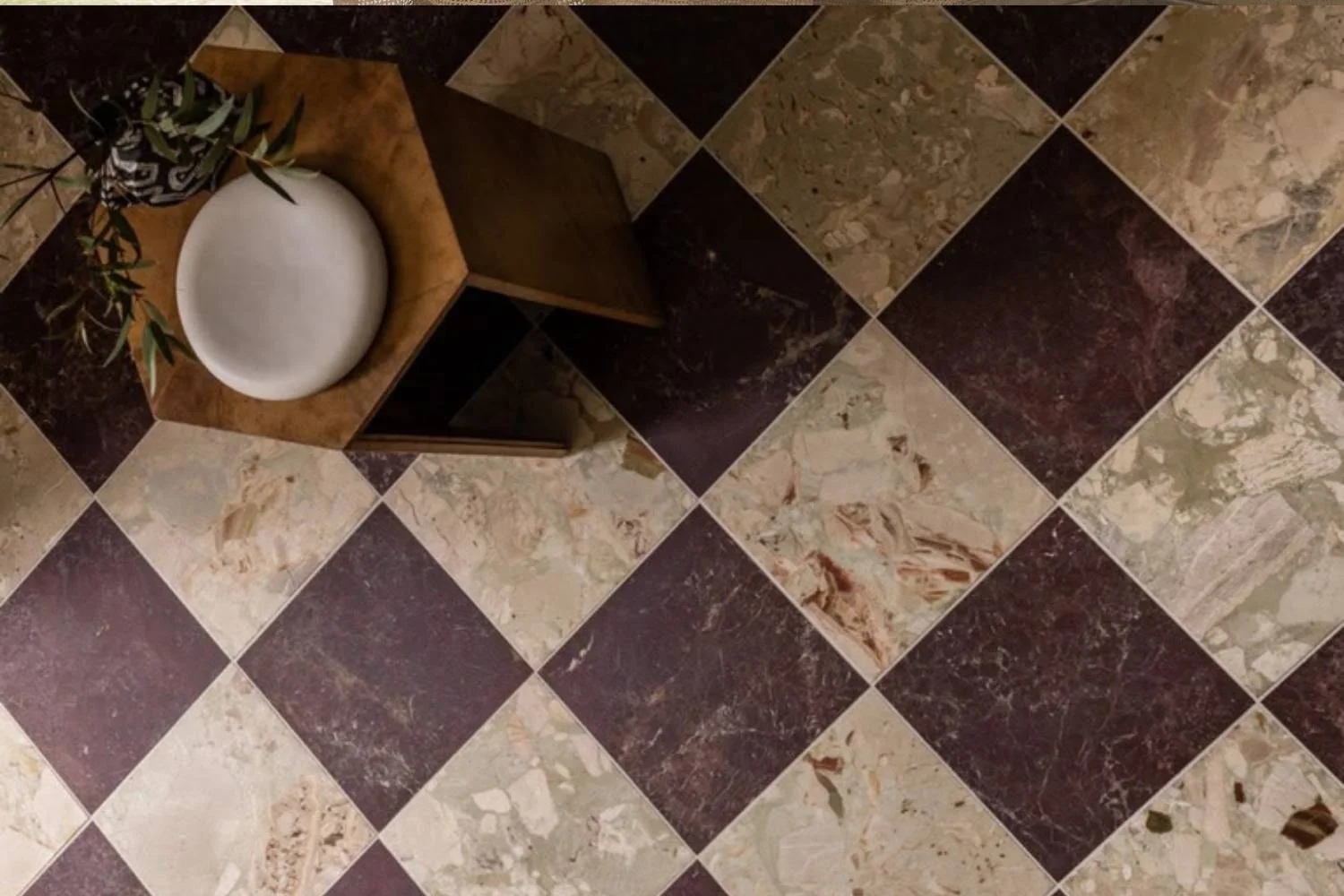
No two natural stone tiles are ever identical, and this is particularly evident in marble tiles. Each piece carries its own veining, tonal variation, and subtle movement, giving every surface a sense of individuality that feels both organic and considered.
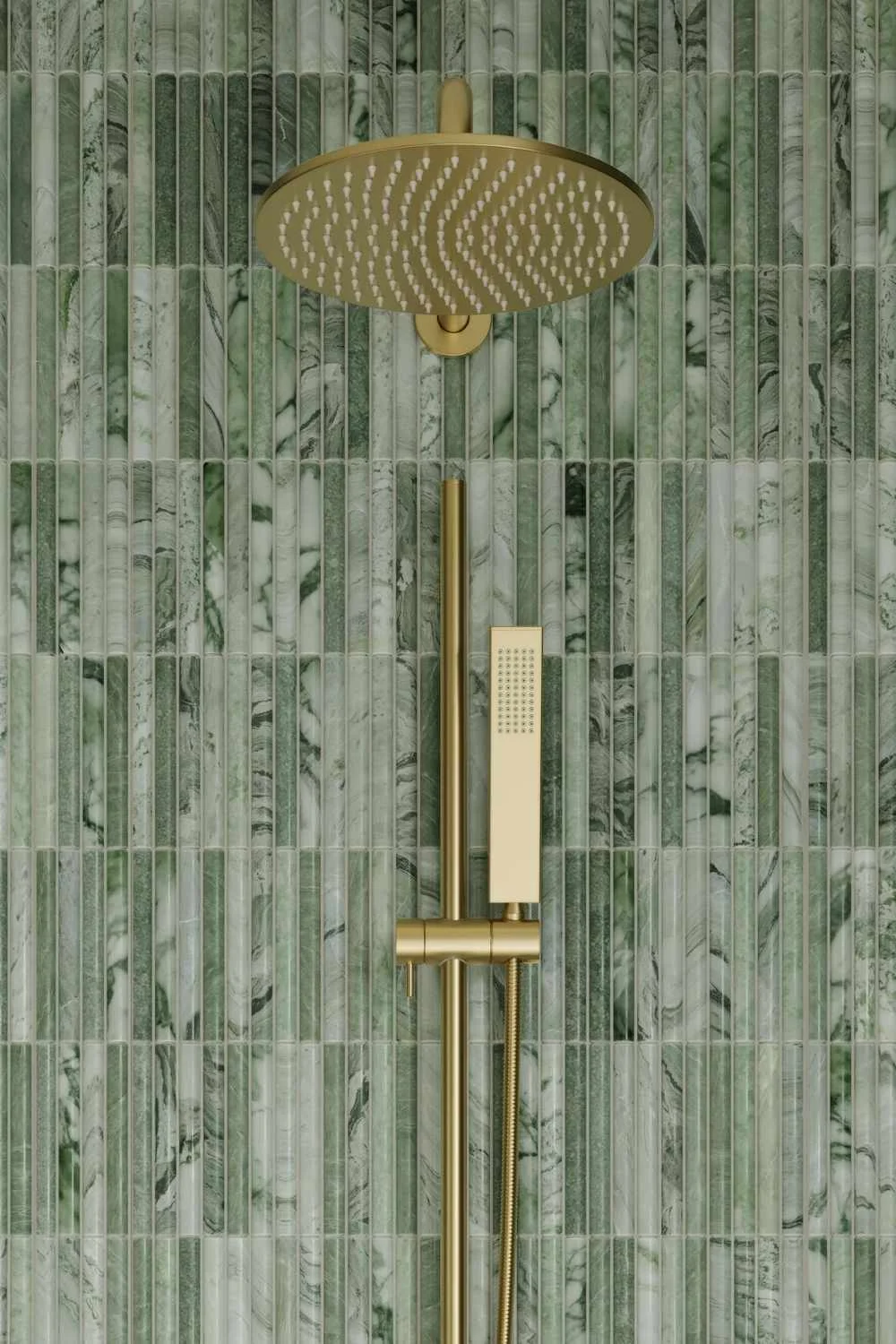
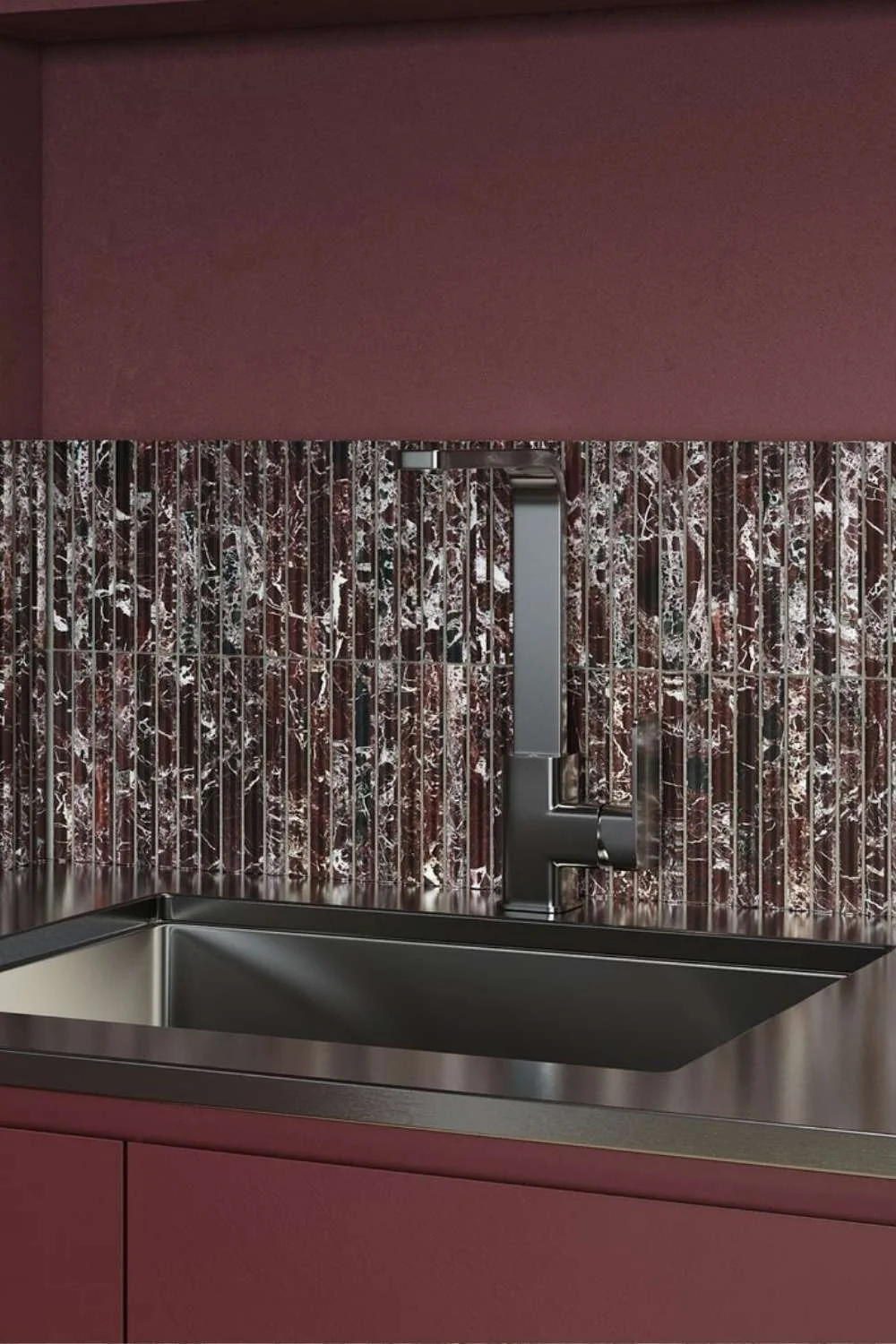
From the soft grey of Carrara to the bold veining of Calacatta, marble offers a spectrum of expression to suit everything from serene bathrooms to commanding kitchen islands. Available in polished, honed, brushed, and leathered finishes, marble adapts with ease, complementing the restraint of contemporary minimalism as confidently as it enhances the richness of more classical spaces.
Travertine Tiles
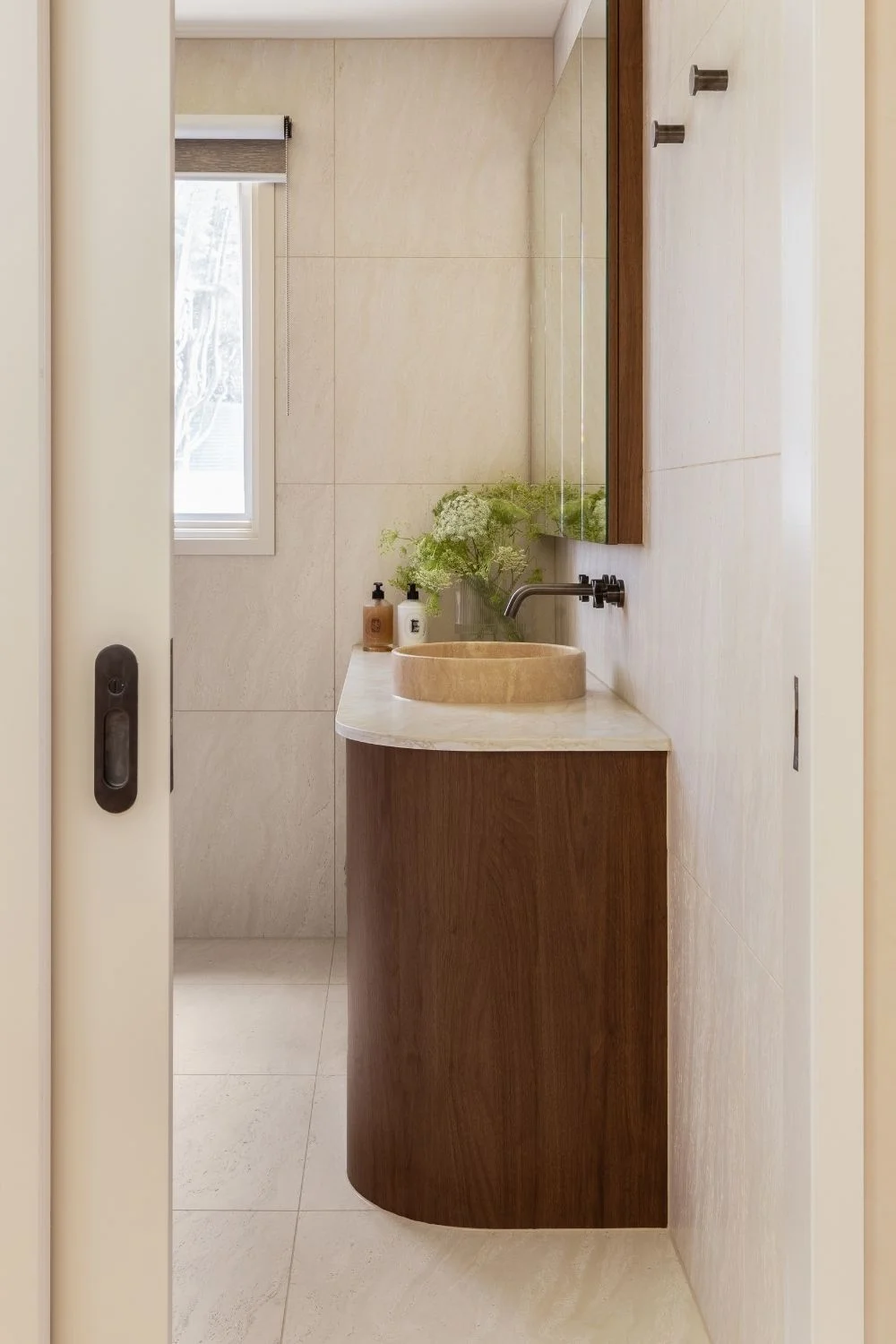
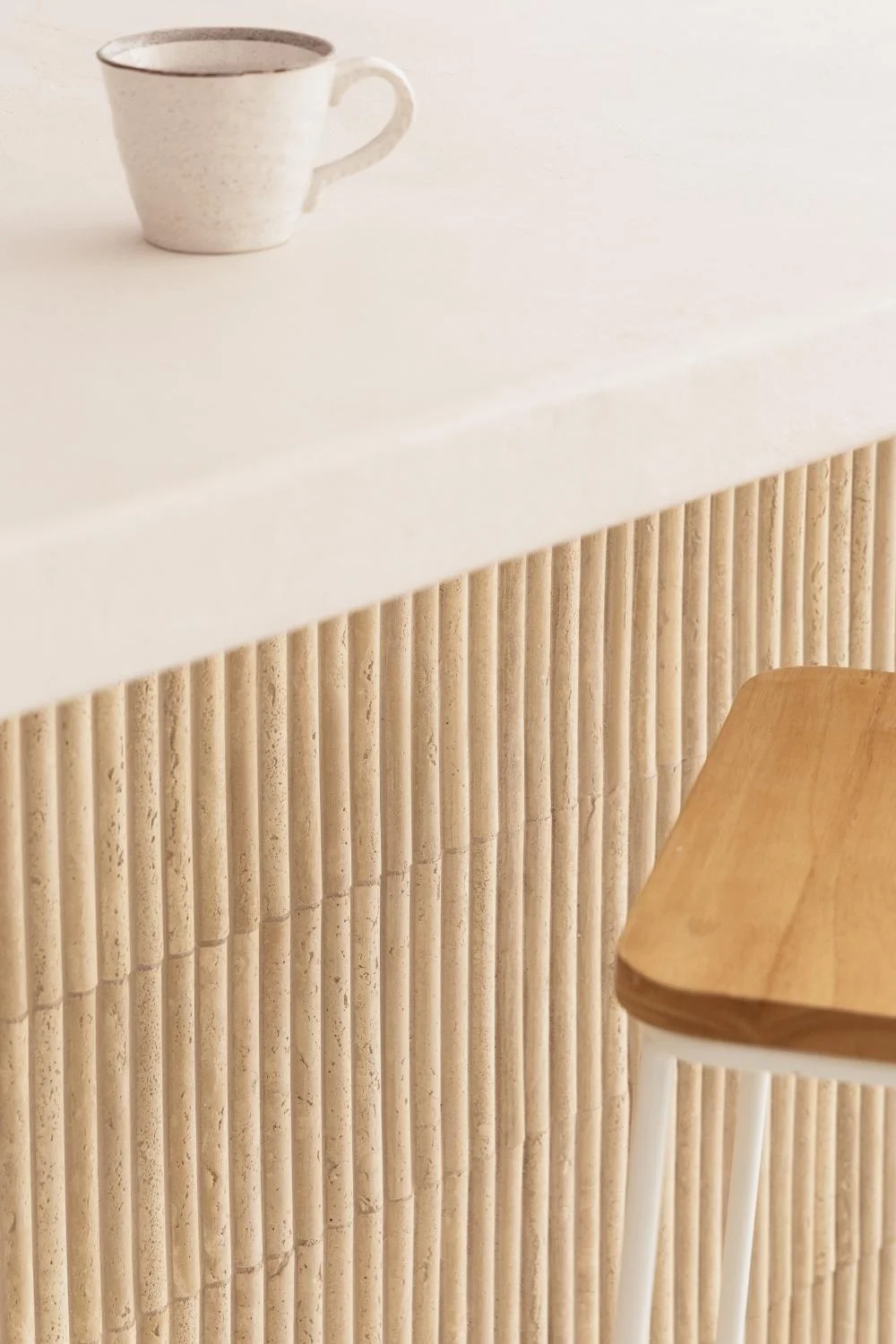
For a more subtle, sand-washed effect, or when evoking the warmth and texture of coastal, Mediterranean, or earthy interiors, travertine remains a timeless choice.
It holds a distinctive place within natural stone interior design. Formed over thousands of years by mineral-rich water filtering through limestone, travertine carries a softness and depth that feels both relaxed and refined, offering a material expression that is quietly rich without ever overwhelming a space.
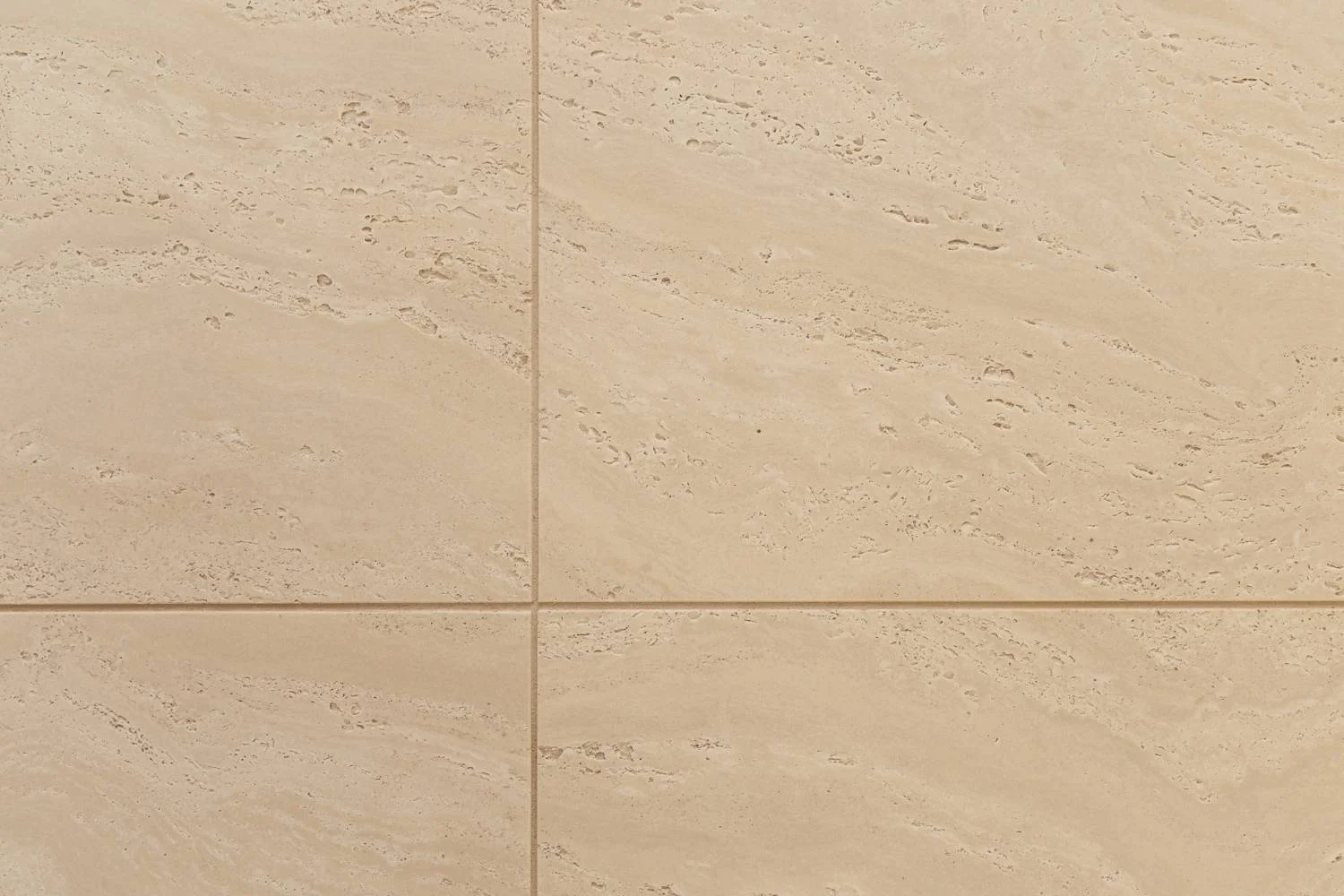
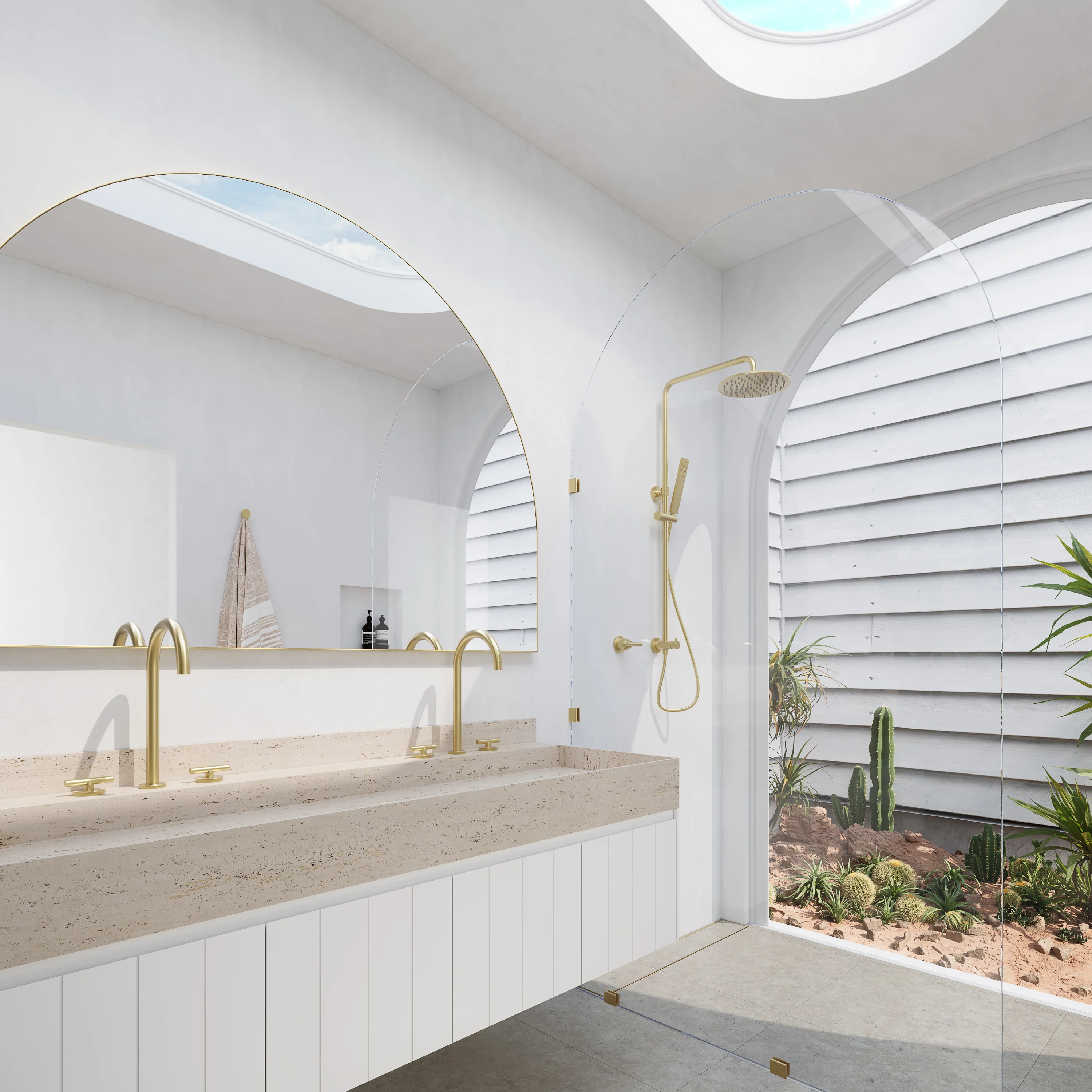
Its surface is defined by natural pitting, soft veining, and tonal variation that moves from creamy ivories and gentle beiges to richer gold hues. Whether expressed through expansive large-format tiles or more intricate applications like fluted finger mosaics, travertine tiles offer a refined, pared-back way to introduce natural stone into the home.
Limestone Tiles
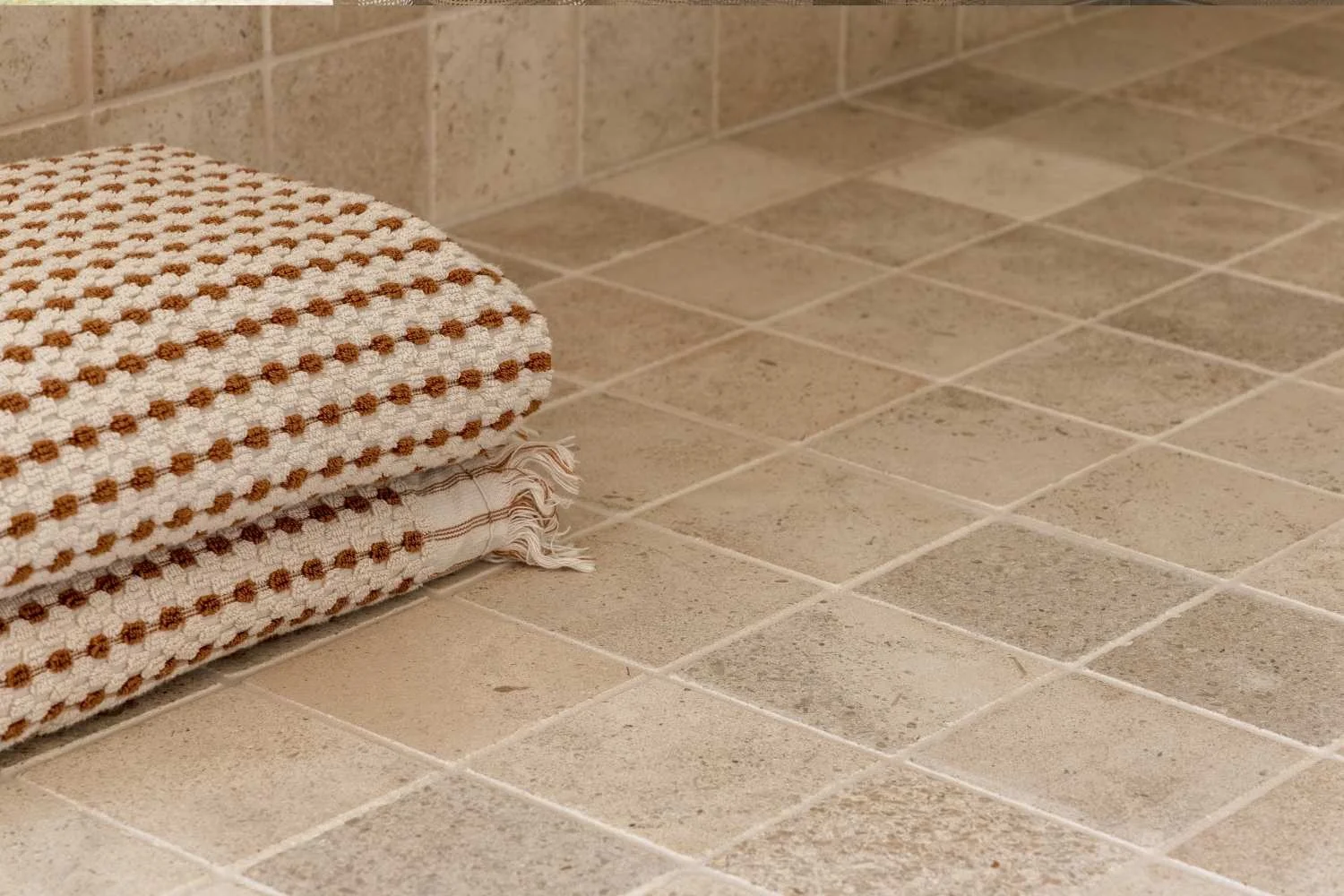
Lastly, limestone, with its soft, muted tones and fine-grained surface, lends a sense of calm refinement, allowing spaces to feel elevated without excess.
Tumbled and brushed finishes are particularly sought after, introducing a gently aged, time-worn quality that helps new builds feel established and layered rather than recently completed. In larger formats, limestone tiles take on a more cohesive presence, minimising grout lines and allowing their subtle patterning to unfold uninterrupted across expansive surfaces.
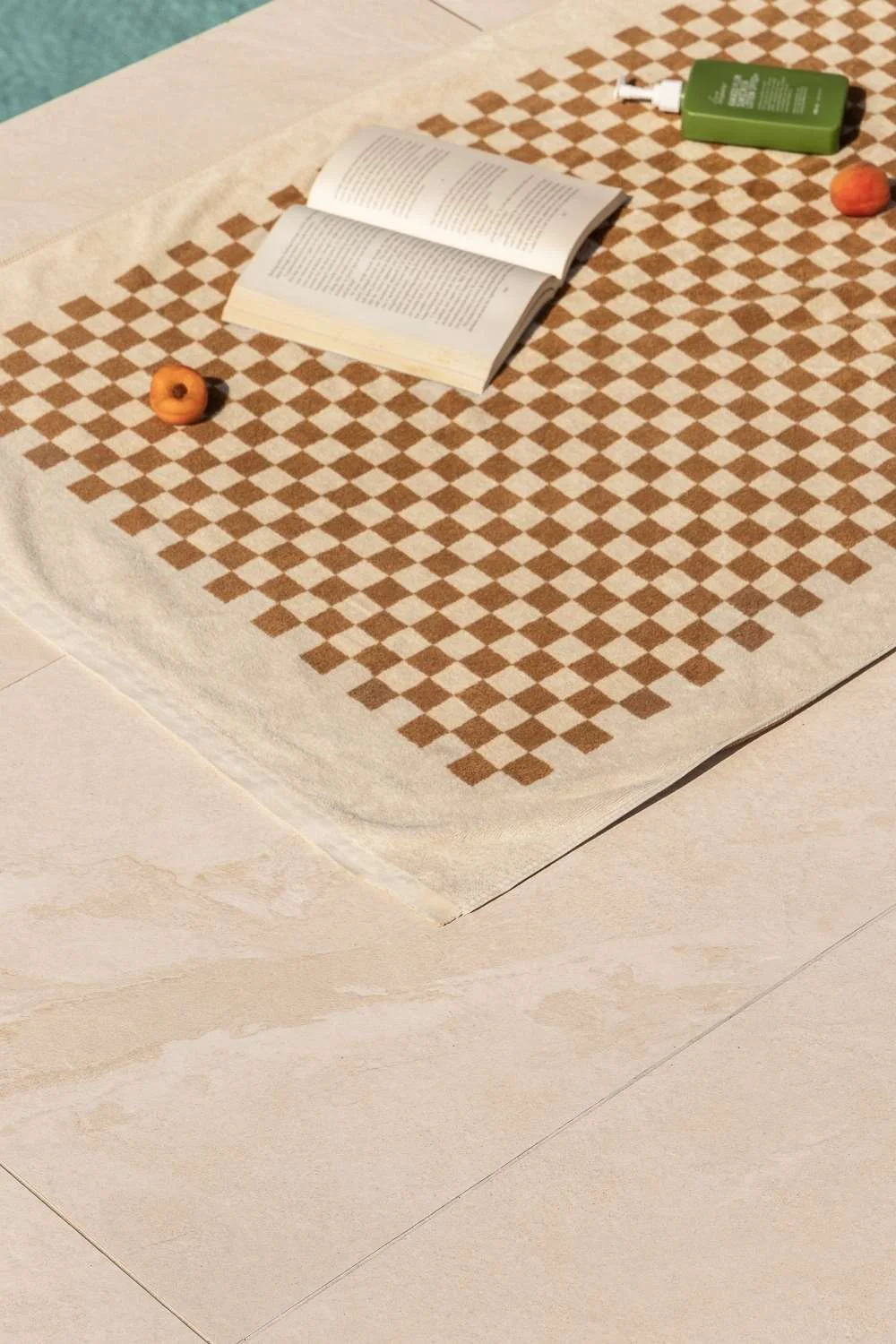
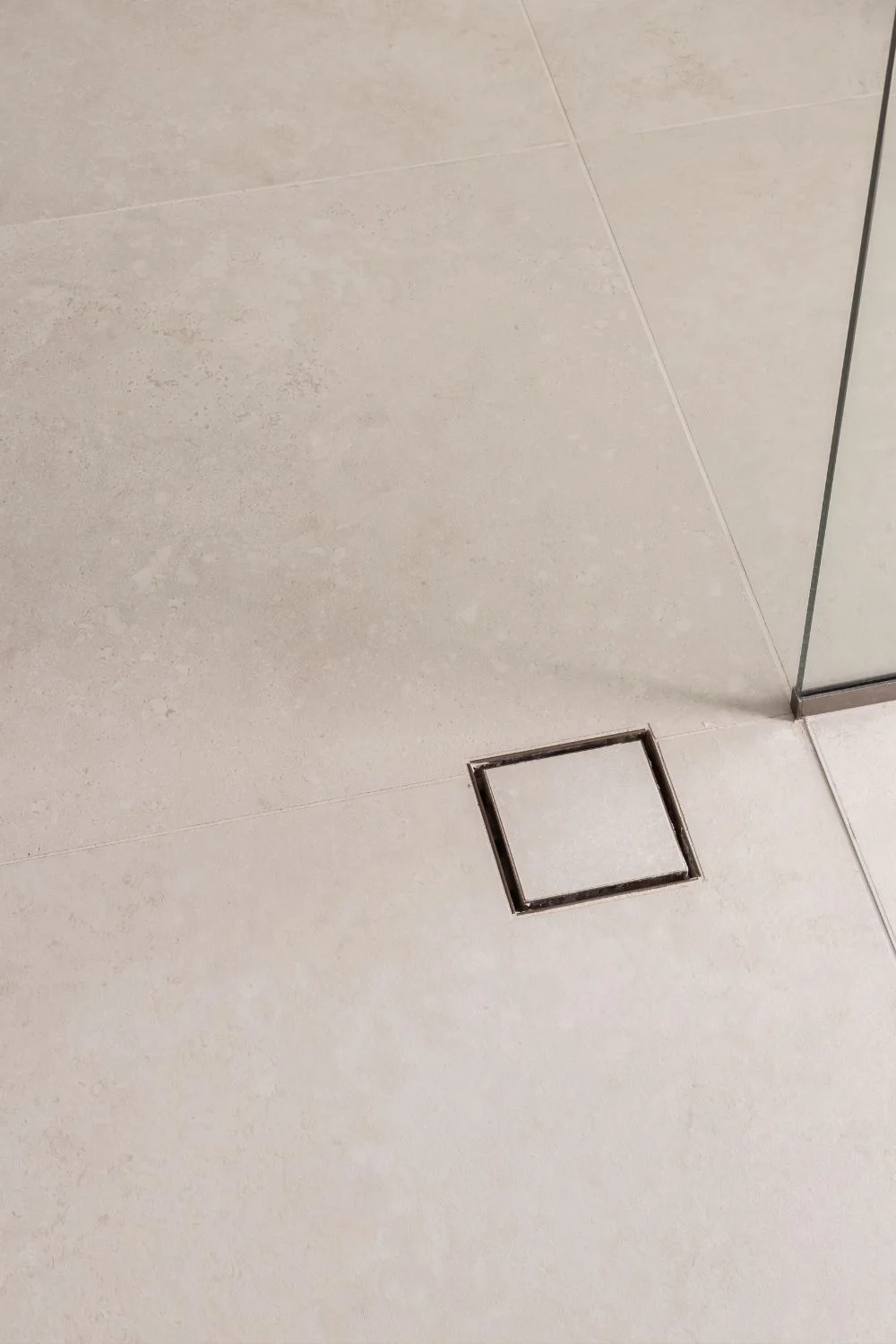
Its versatility extends seamlessly between interior and exterior applications, reinforcing a cohesive material language throughout the home. Over time, limestone develops a natural patina, deepening in character rather than diminishing, making it one of the most compelling choices for interiors designed with longevity in mind.
Stones Selling Point
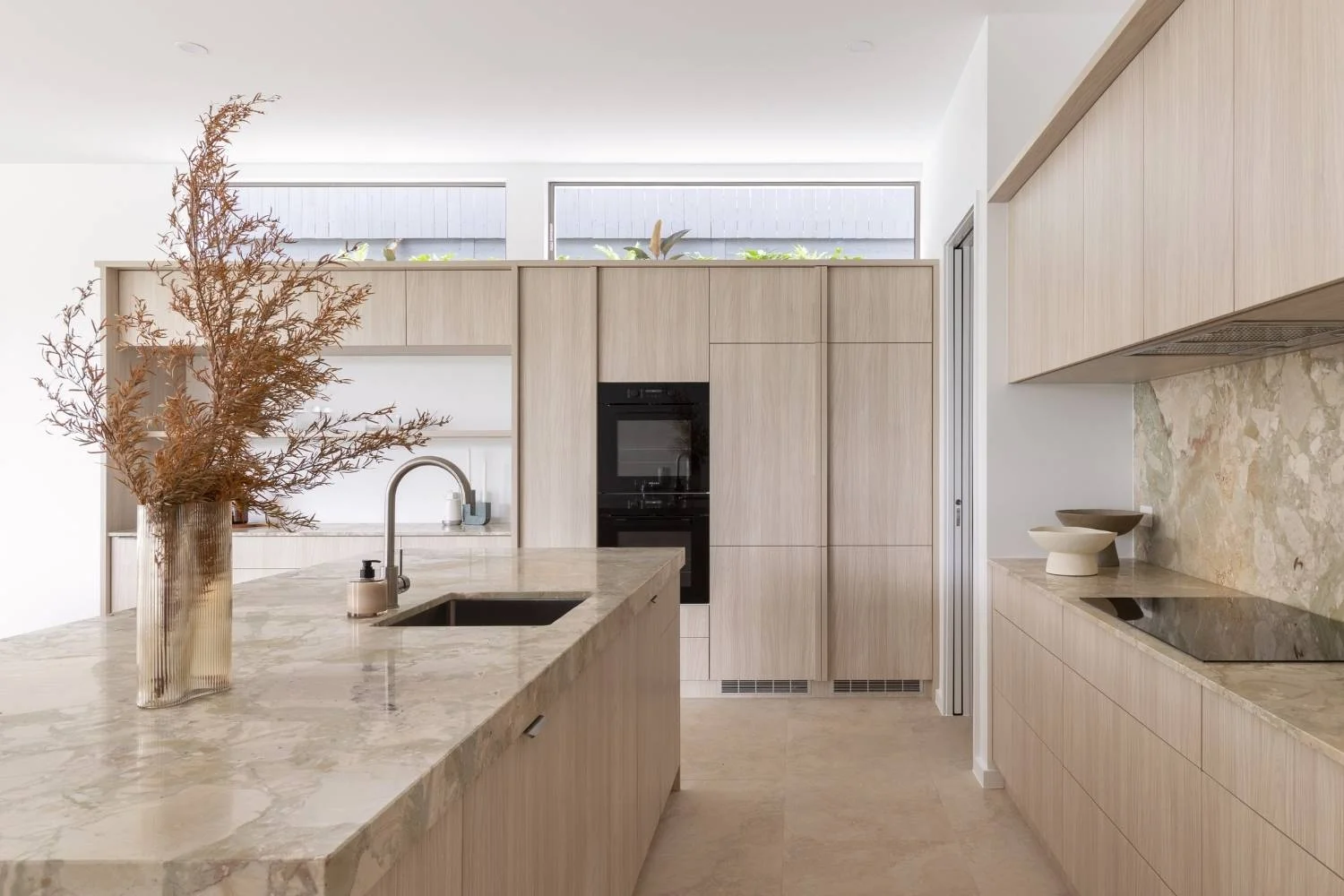
There is much more to natural stone than its immediate visual appeal. Light plays a defining role, shifting from morning to evening to transform each surface, drawing out different tones, textures, and depths.
In places with crisp, clinical finishes, like bathrooms and kitchens, there is a clear move toward interiors that feel warmer, softer, and more lived-in. Honed and matte surfaces lead this direction, favoured for their forgiving nature, tactile appeal, and ability to soften veining into a more natural, understated look.
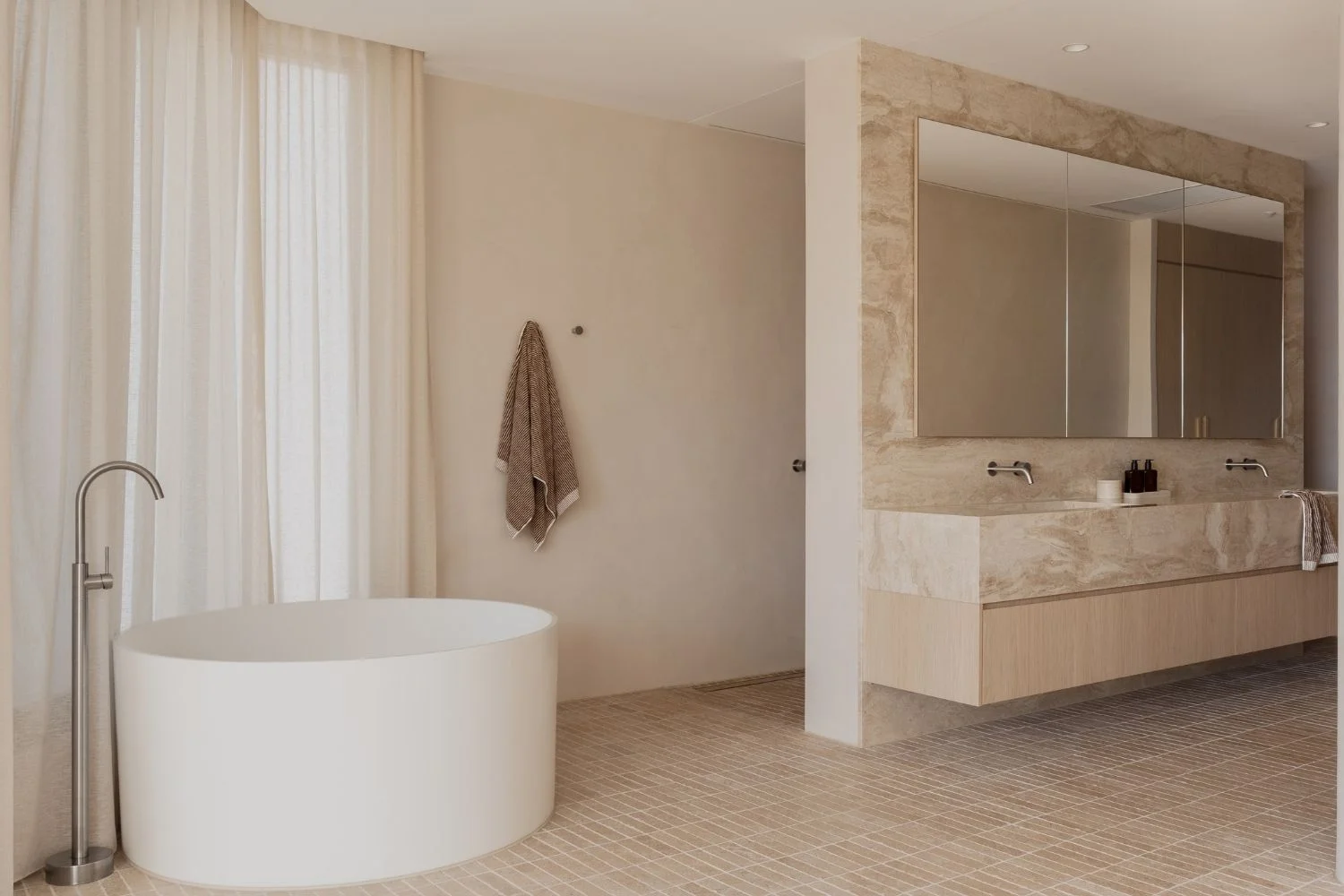
At the same time, large-format tiles of stone have become a defining language of modern luxury. By reducing visual interruption and minimising grout lines, they create a more seamless, architectural expression that allows the material itself to take precedence.
When extended across walls, floors, vanities, and even bathtubs, a single stone can unify an entire space. The effect is immersive and cohesive, where the eye reads the room as a whole rather than focusing on individual elements, reinforcing a sense of quiet continuity and considered design.
Fitting into the Forefront
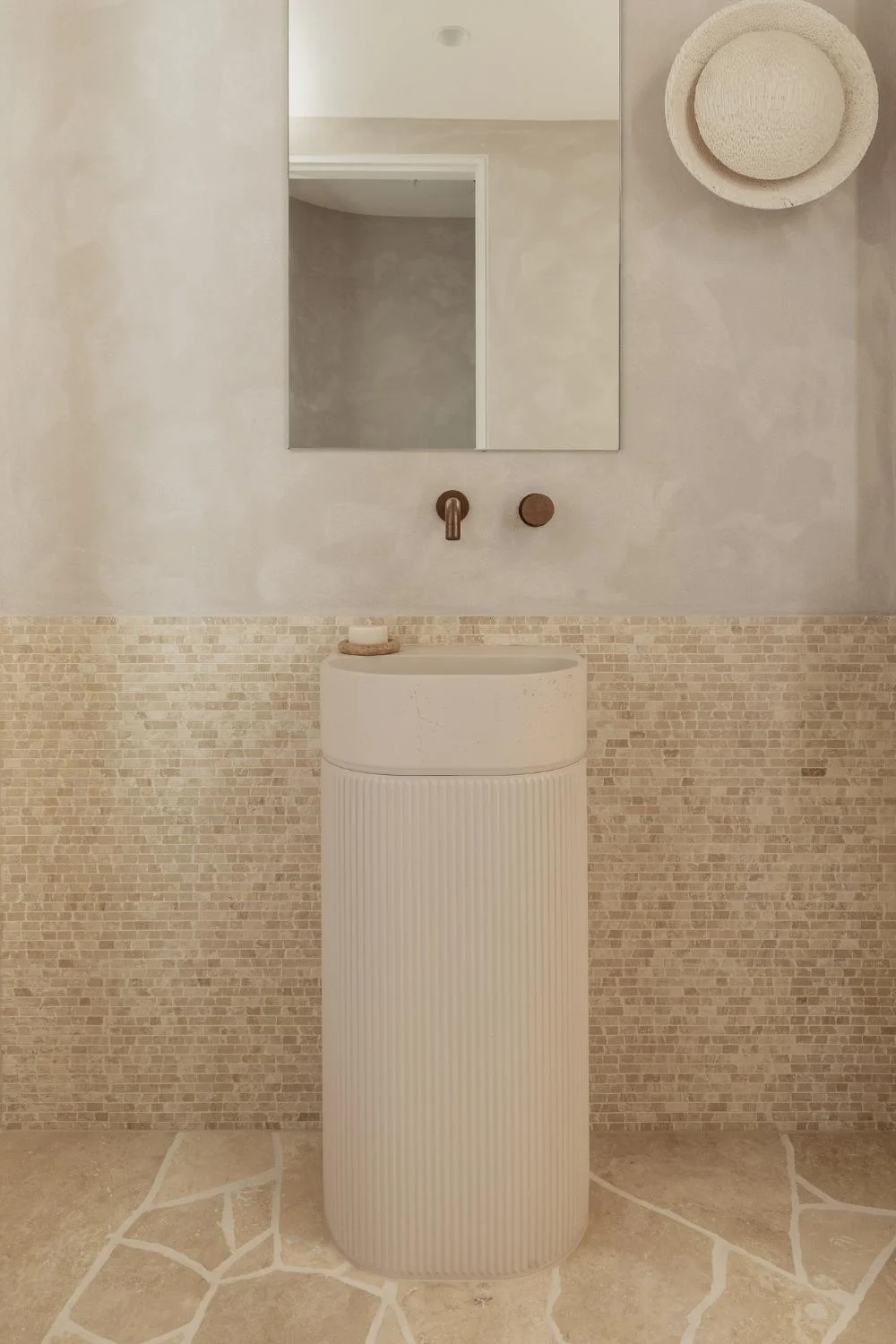
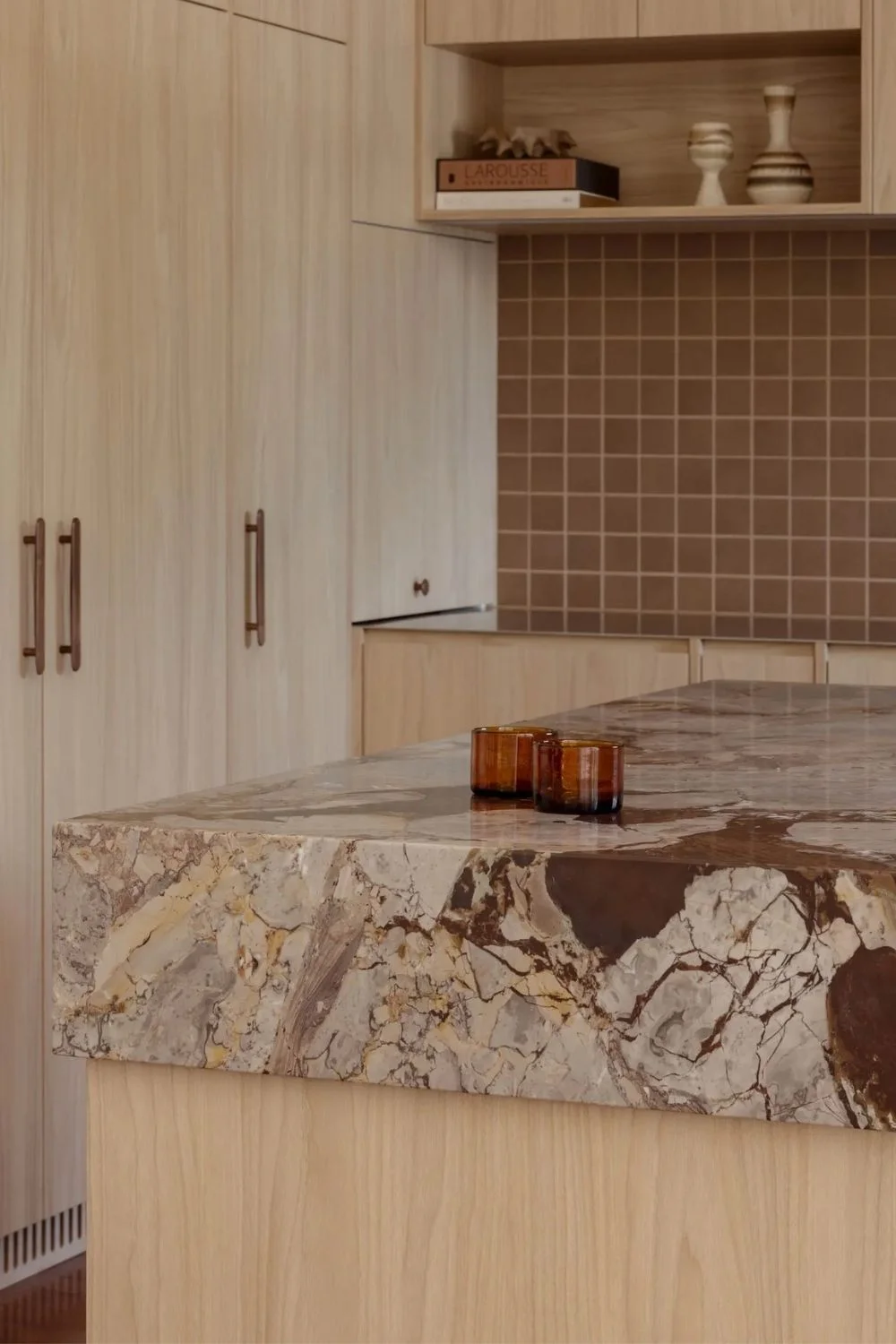
Natural stone has been a cornerstone of interior design for centuries, yet the way we approach it has never remained static, moving with architectural trends, technological advancements, and our ever-changing design preferences.
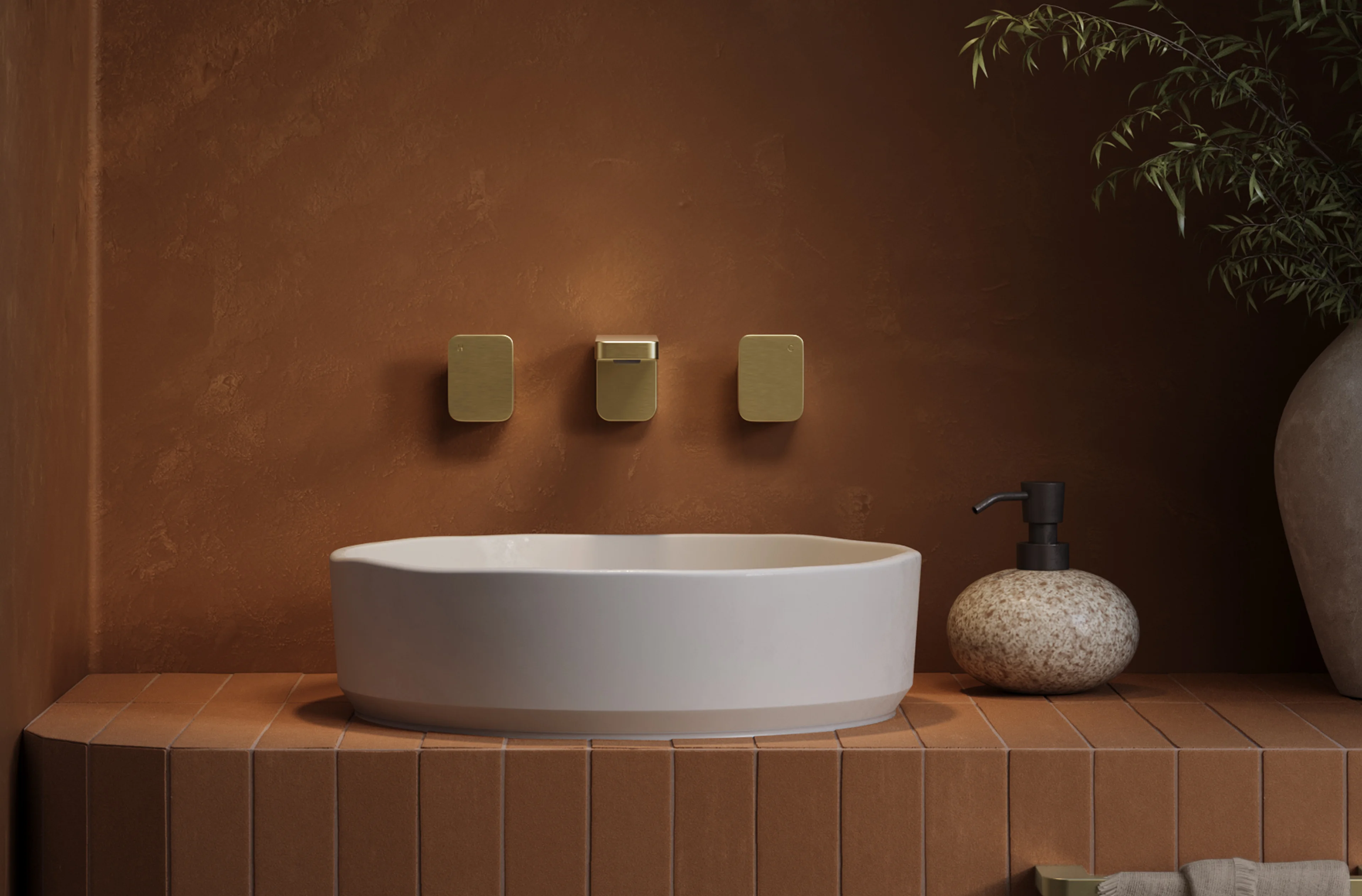
Today, its resurgence feels particularly aligned with the rise of quiet luxury, where materials are chosen for their authenticity, depth, and enduring appeal. Rather than polished perfection, there is a preference for surfaces that feel collected over time, layered, tactile, and lived-in. In this context, warm stone tones sit effortlessly alongside timber cabinetry, brushed brass accents, and richly textured textiles, creating interiors that feel both refined and deeply grounded.
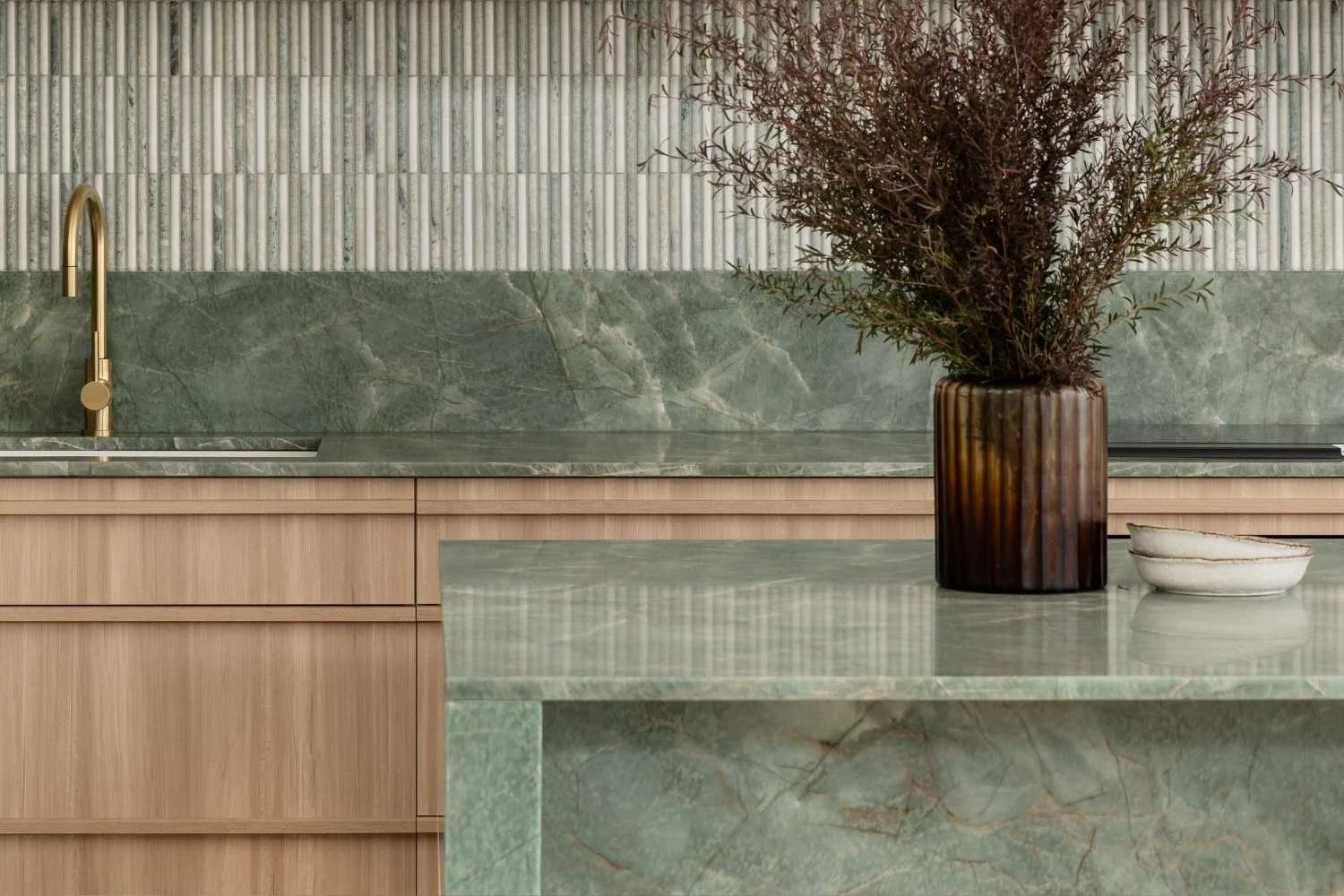
Rather than a passing moment in design, natural stone in interiors represents an enduring legacy, one that keeps evolving in step with how we use our spaces. In an age drawn to the immediate and the disposable, stone offers a quiet counterpoint. It reminds us that the most lasting interiors are not defined by novelty, but by authentic materials that feel real, considered, and built to endure.
Seeking more interior inspiration? Explore these blogs:
Shape Modern Spaces With Geometric Interior Design