Our Range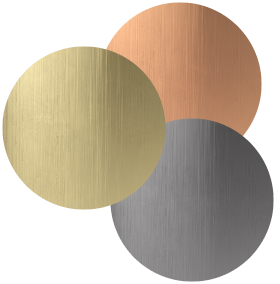













Shape Modern Spaces With Geometric Interior Design
Geometric interior design surrounds us, from the pattern of a tile layout to the pitch of a roofline. It is woven into the very architecture of a space, influencing how we experience it through the intentional use of lines, forms, patterns, and angles to establish structure, mood, and visual appeal.
From furniture silhouettes to fixtures and even the smallest hardware details, aesthetics are often guided by geometry, whether we realise it or not.
Explore how to be more intentional with geometric choices, elevating them from subtle details to considered design elements in your everyday spaces. Once you begin to notice these shapes and forms in the profile of your tapware, the pattern of your splashback, or the lines of your vanity, it creates a more purposeful way of shaping the spaces we live in.
Where Geometry Hides in Plain Sight
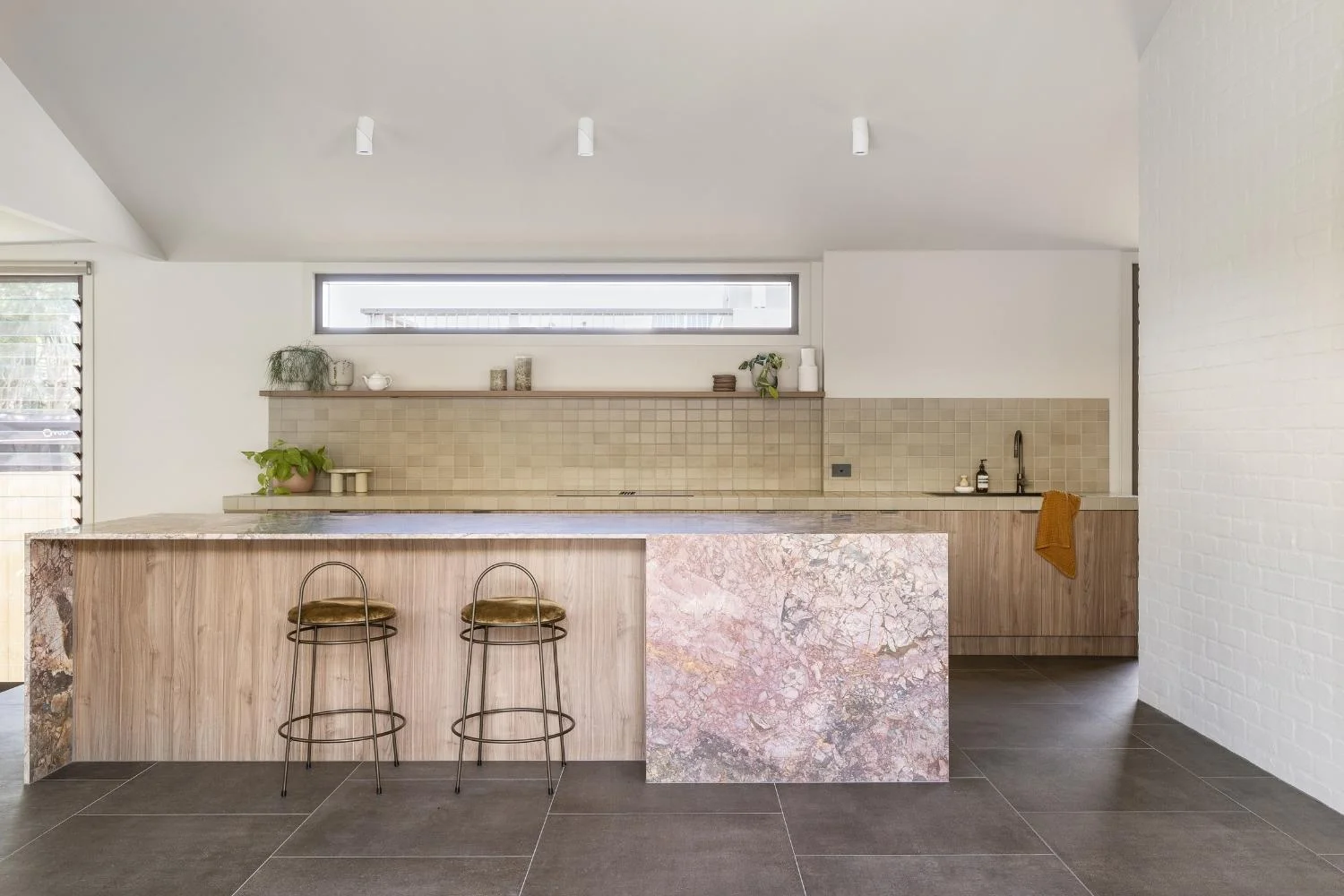
If you’ve wondered why certain spaces feel more energising while others feel calming, it often comes down to geometric interior design. Sharp angles and linear forms tend to evoke precision and modernity, much like a room defined by clean vertical lines and angular fixtures, which feels structured and intentional.
Contrastingly, soft curves and rounded forms feel more welcoming and grounded. A room built around arches, circular mirrors, and flowing silhouettes takes a more organic approach, they introduce a sense of warmth and movement that counterbalances the rigidity of modern architecture.
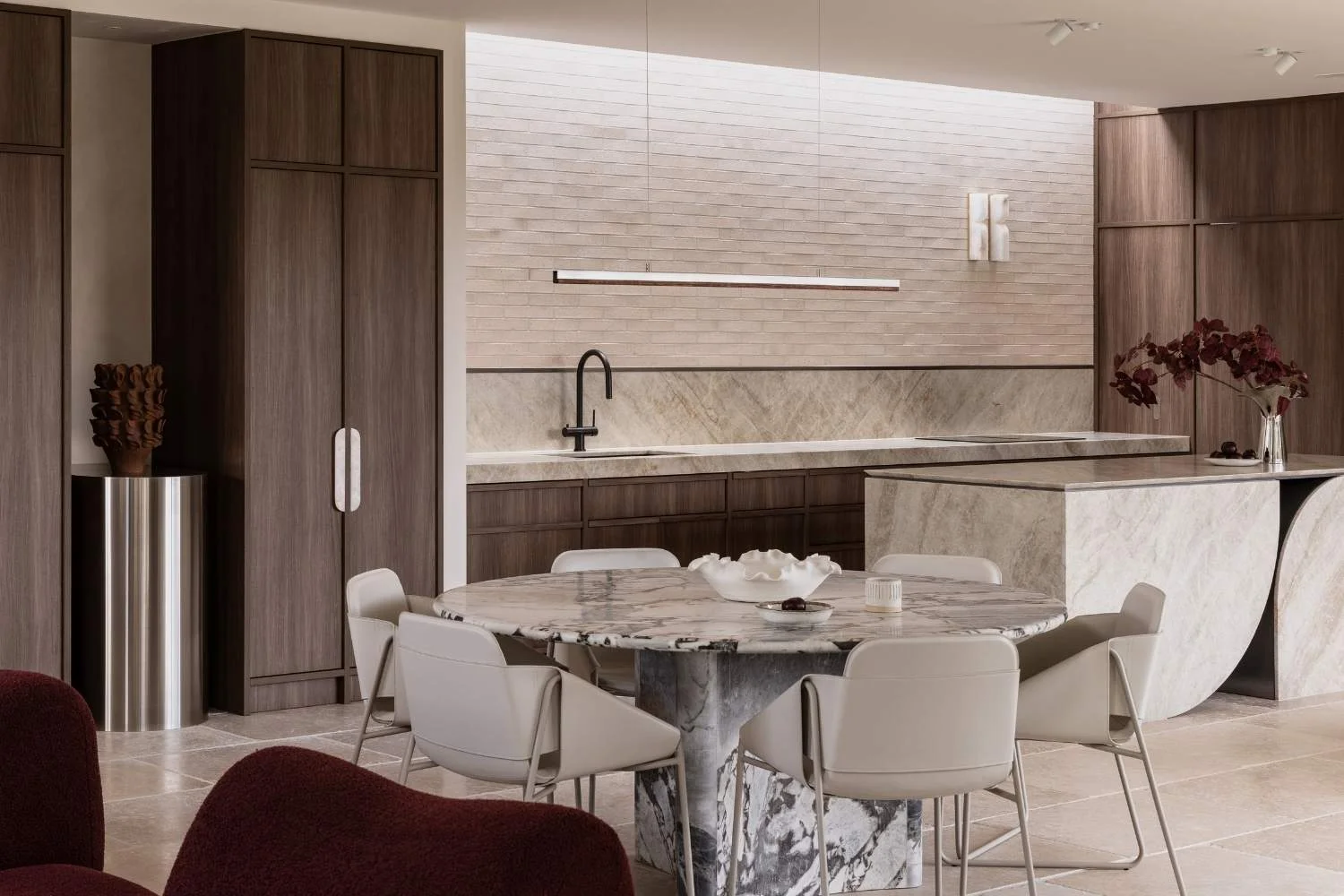
Then there are the shapes we tend to take for granted, the simple, fundamental forms woven into our daily lives. Clean rectangles, squares, and grids quietly underpin the way we use our spaces. The proportions of a tile layout, the frame of a vanity, the profile of a mixer: these are the geometric backbones of most interiors, quietly holding everything together without demanding attention.
As design evolves, so too do the forms available to express it. No longer confined to standard basin silhouettes or conventional cabinetry handles, today’s designs explore more considered, creative iterations to reimagine the geometry shaping our homes.
The Building Blocks of Modern Spaces
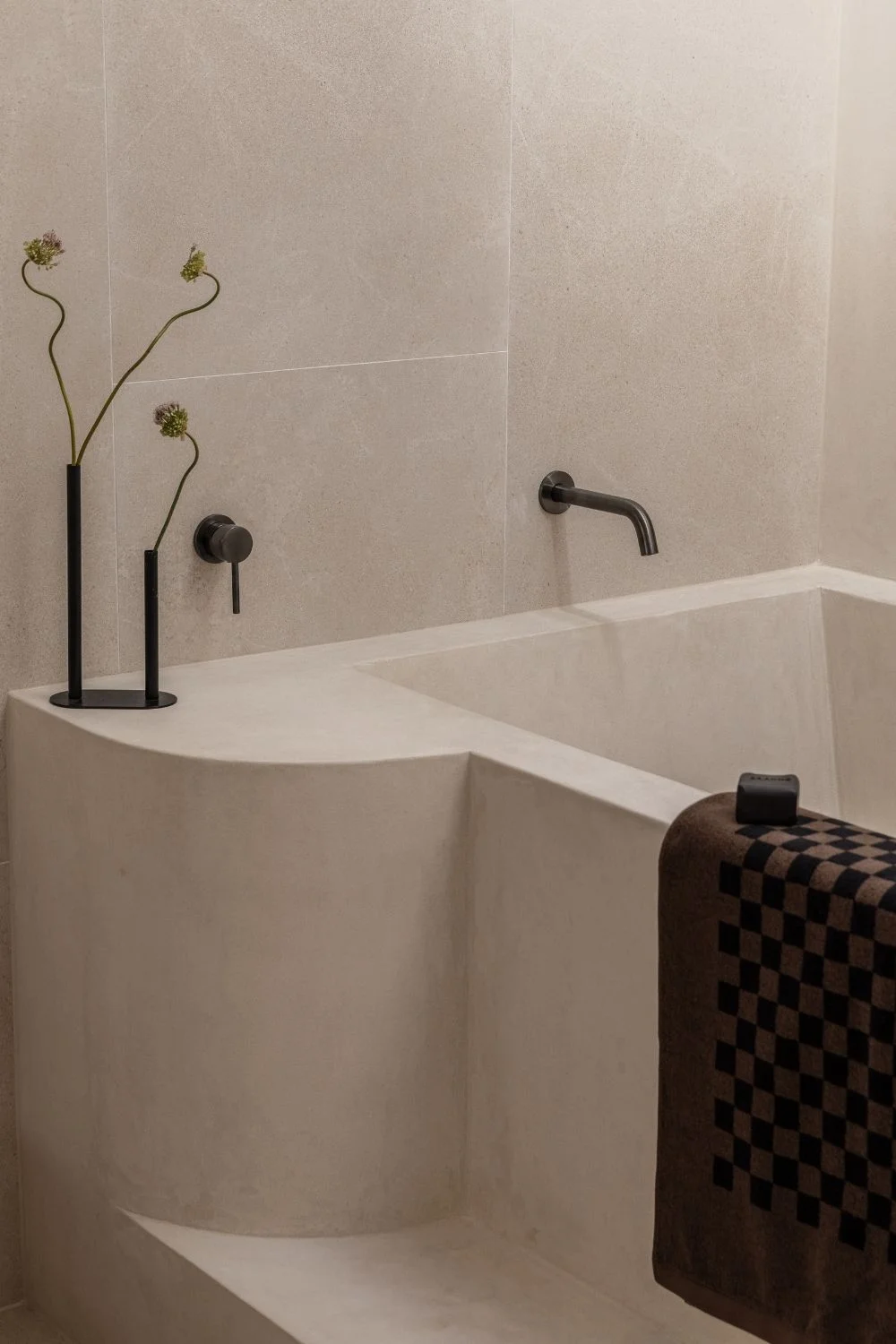
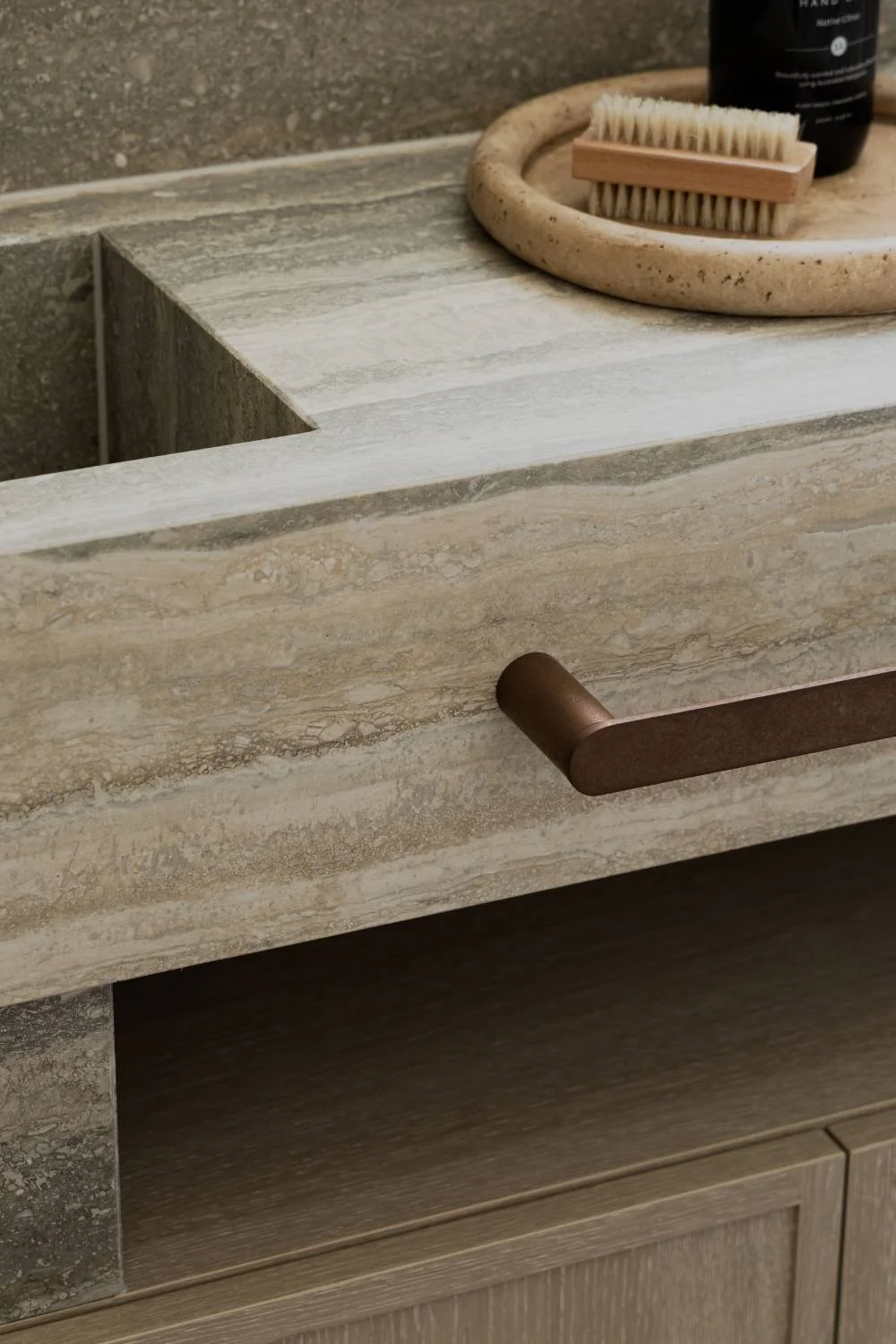
Every considered space begins with a foundation, and in geometric interior design, that foundation is formed by a select group of core shapes and forms that combine to define a room's character.
Take the line, for example, horizontal lines introduce a sense of breadth, visually elongating a space, while vertical lines do the opposite, drawing the eye upward and emphasising height.
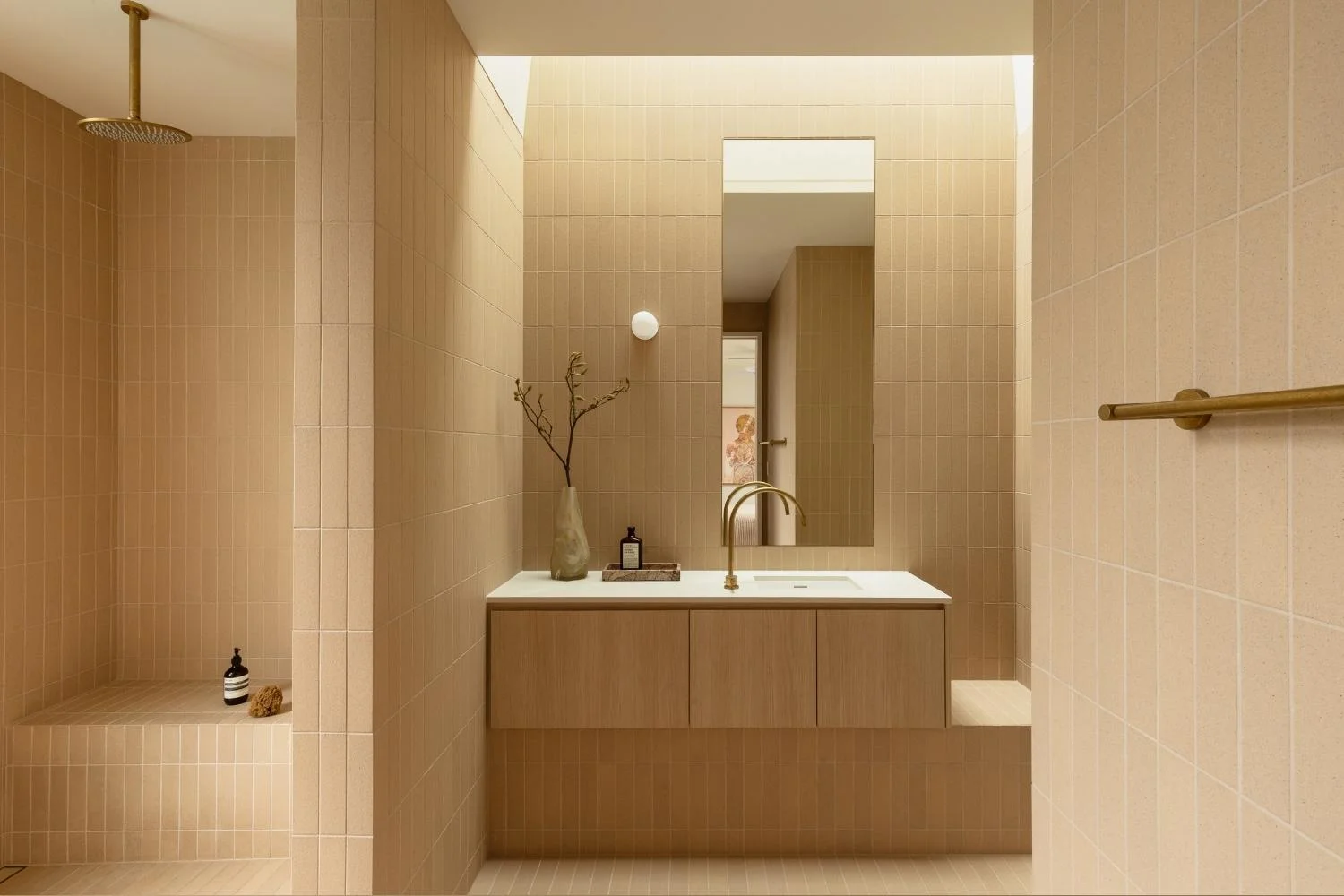
Wall-to-wall vanities, low-profile furniture, and large-format tiles express strong horizontal geometry. In contrast, floor-to-ceiling cabinetry, elongated pendant lights, and vertically stacked tiles utilise vertical lines to create a sense of elevation.
Shape Your Space
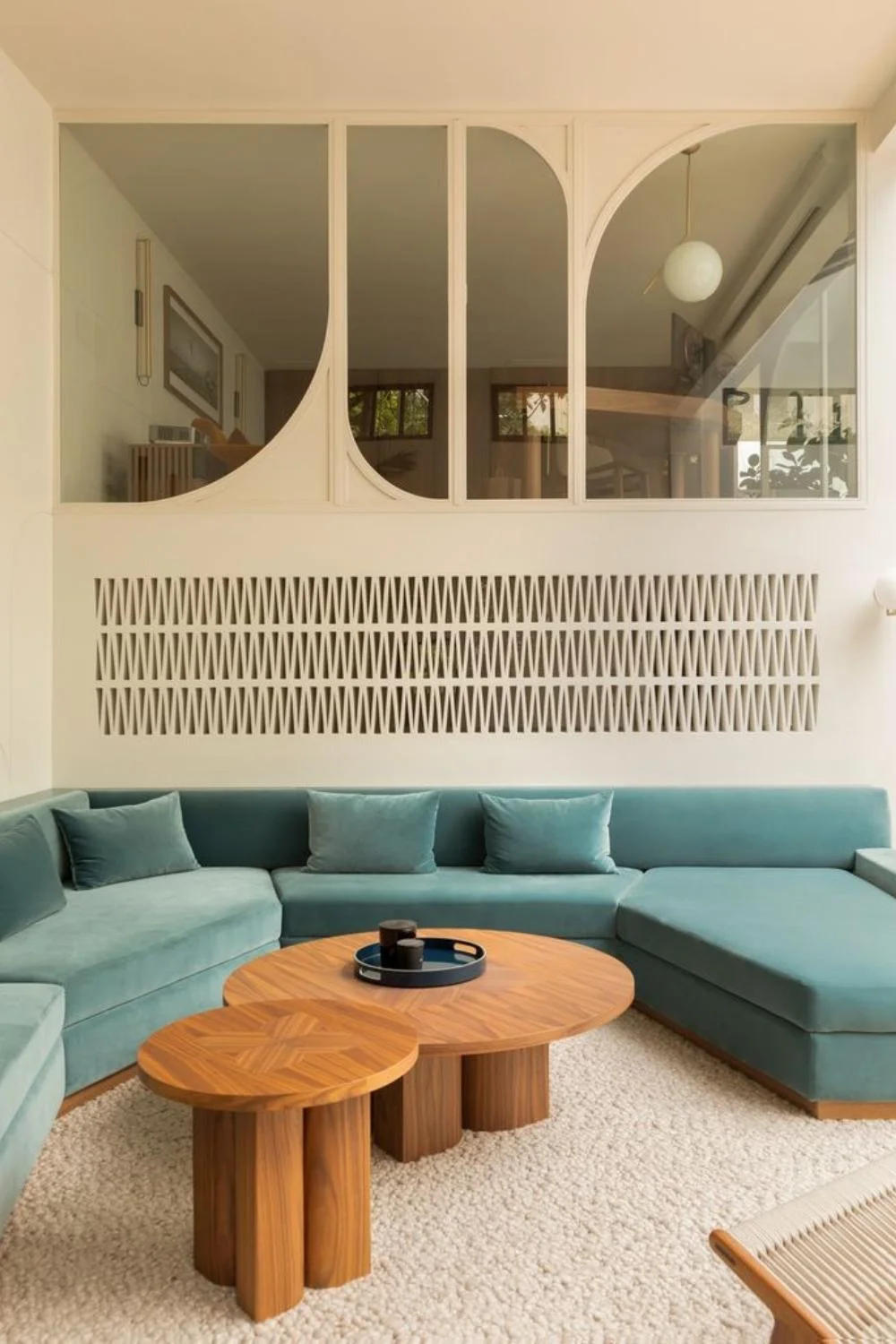
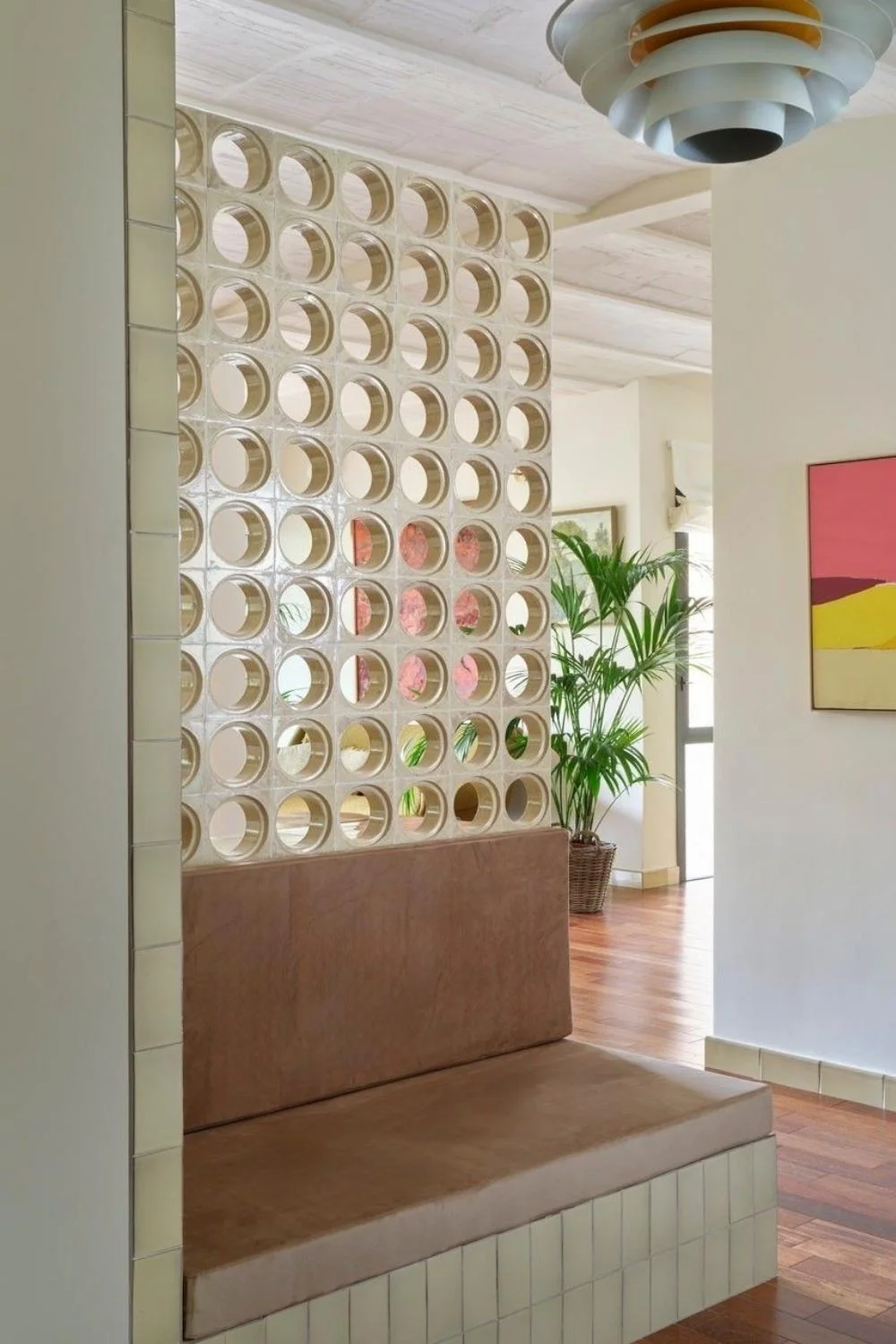
When we think about geometric design, pattern is usually the first thing that comes to mind. Yet some of the most impactful geometry in a space isn't found on the surface at all.
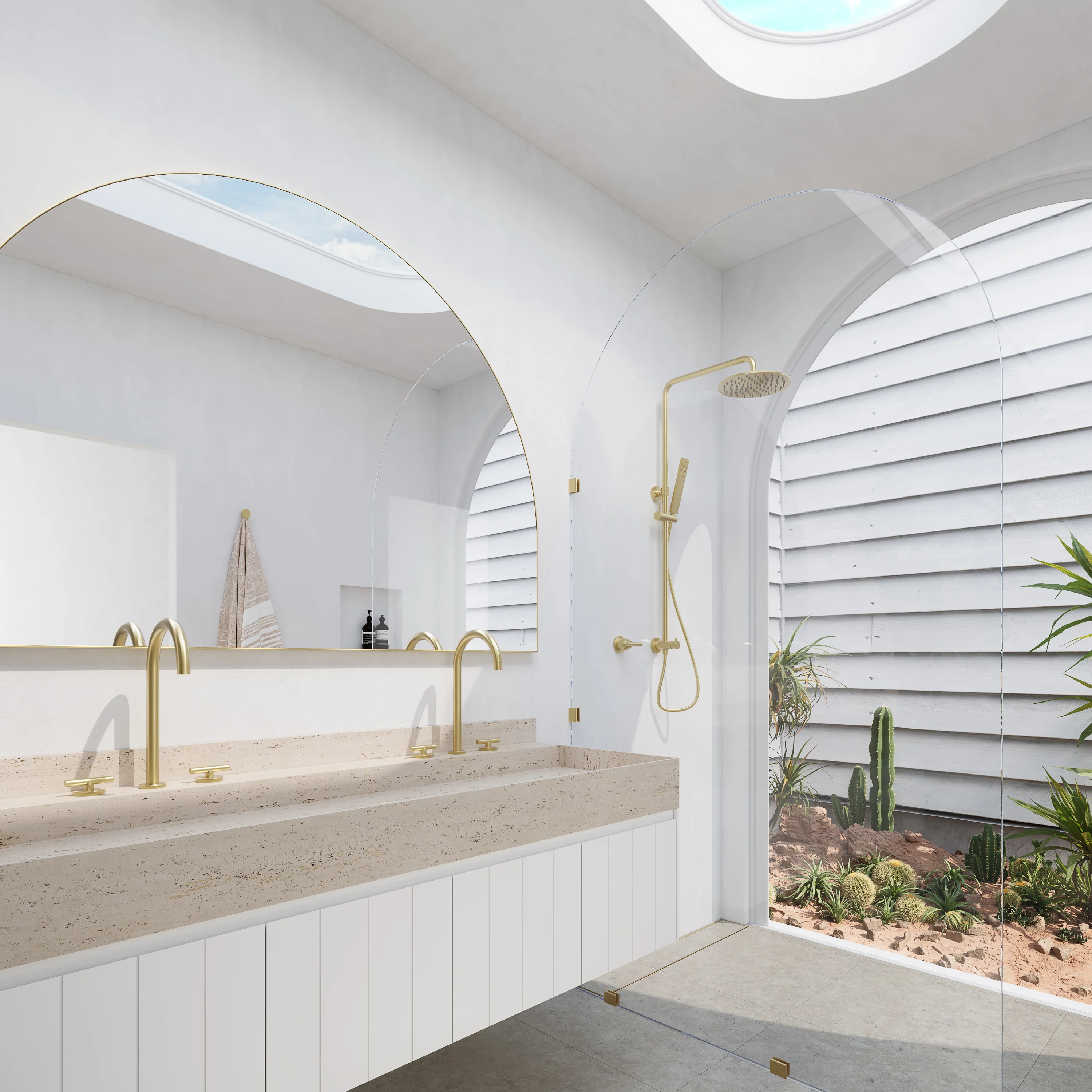
Windows are among the most powerful geometric designs in a home. An arched opening introduces softness and a sense of grandeur, while a slim rectangular window reads as clean and contemporary. Beyond form, their shape influences the quality and movement of natural light, casting shadows and highlights that add a dynamic layer of geometric interest throughout the day.
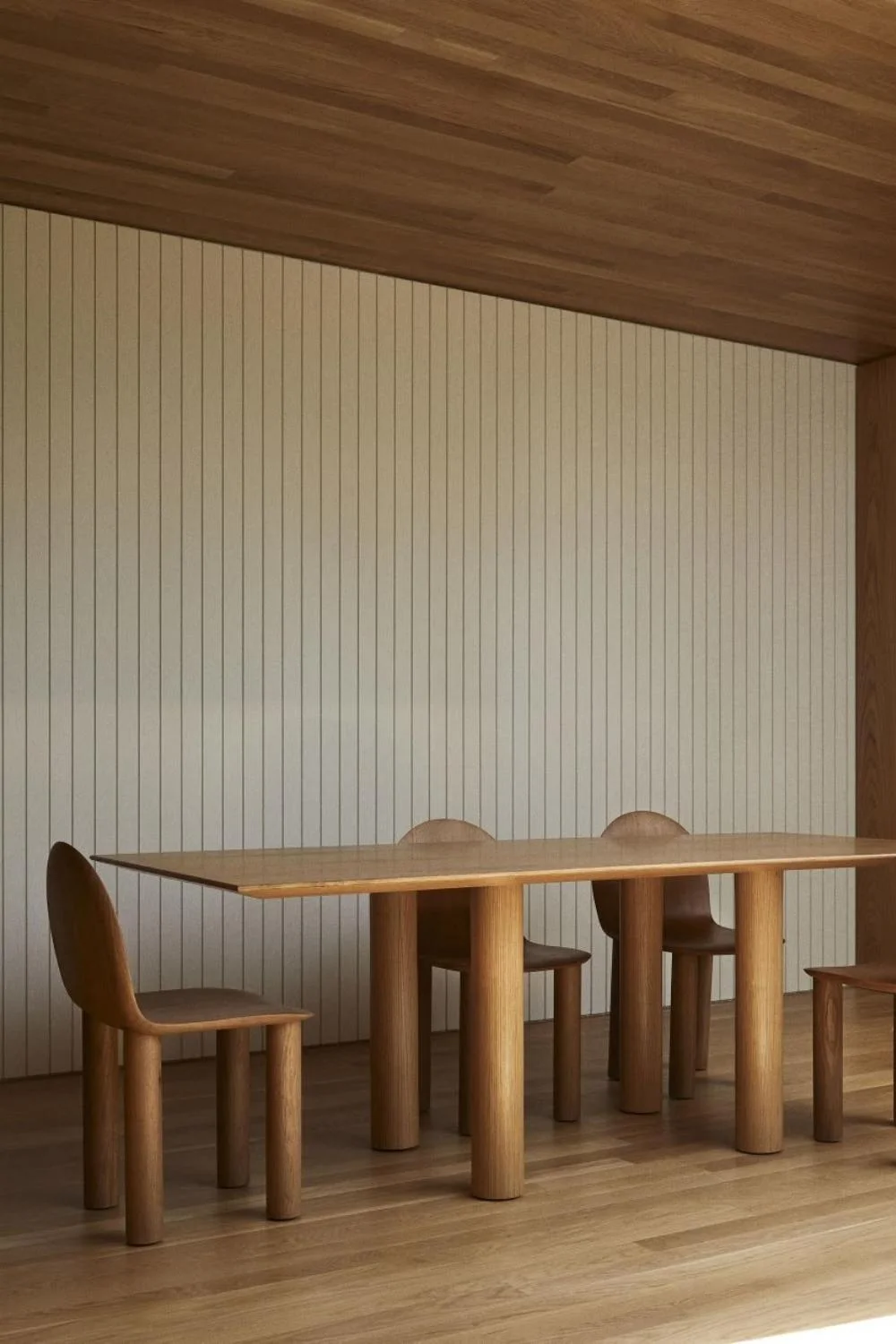
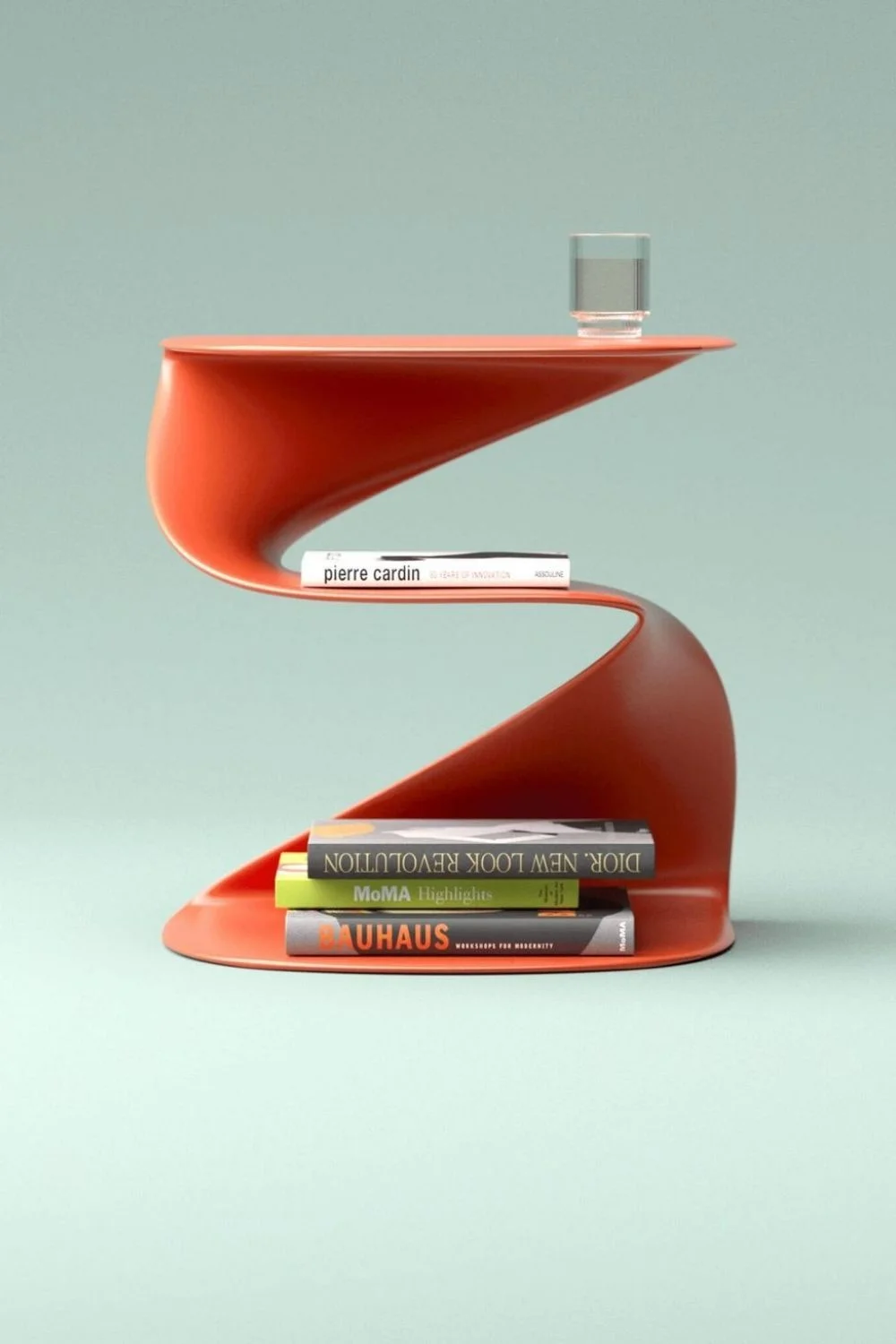
Furniture translates this geometry into three dimensions, with each piece carrying its own distinct identity through proportion, line, and silhouette. The way these forms interact ultimately defines the mood of a space, whether harmonious or deliberately contrasting.
From here, smaller elements begin to layer in: sculptural lighting, breezeblocks, tiled surfaces, artwork, and even plants. Together, these details build a considered composition, where geometry is not just seen, but felt.
How Shapes Make Us Feel
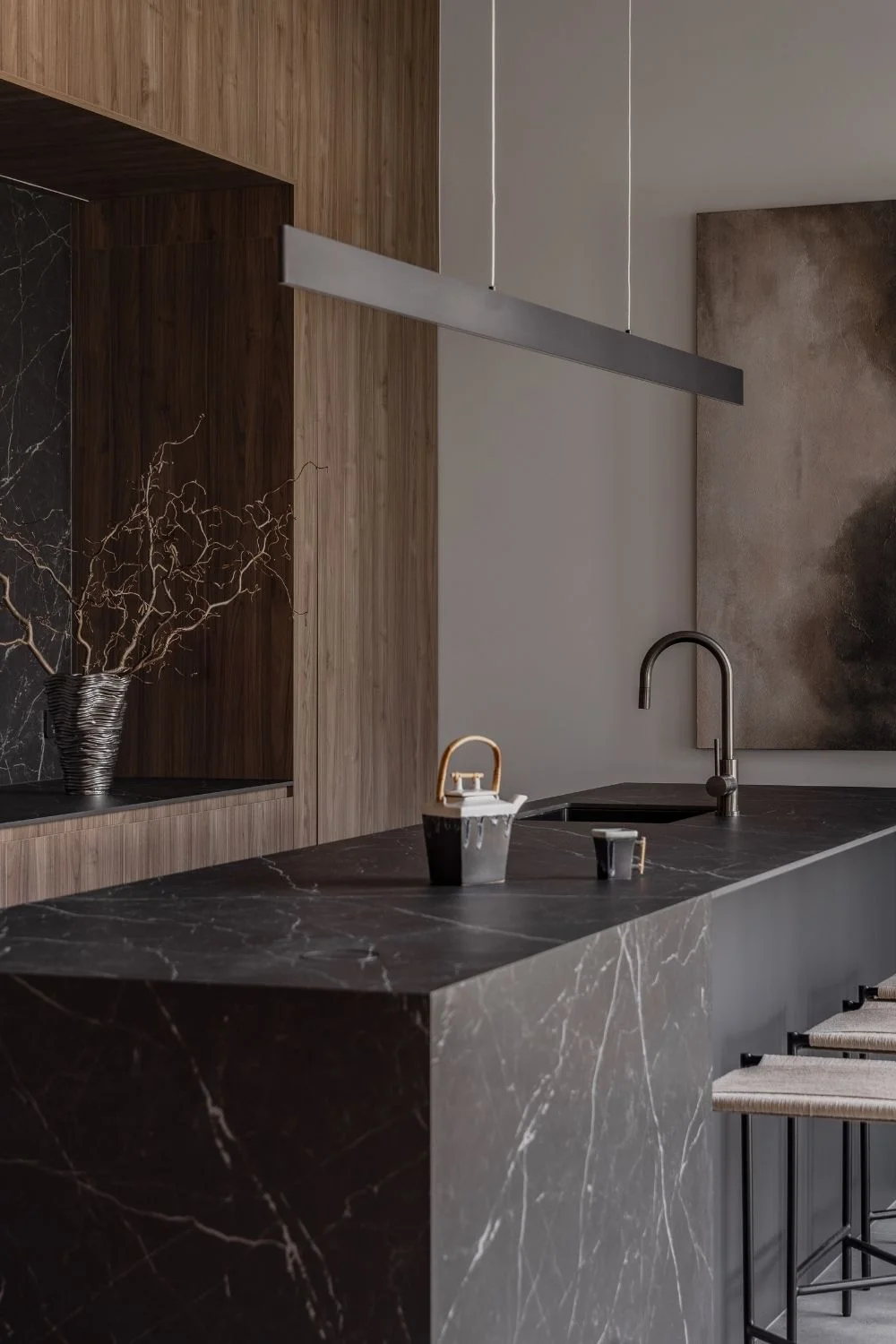
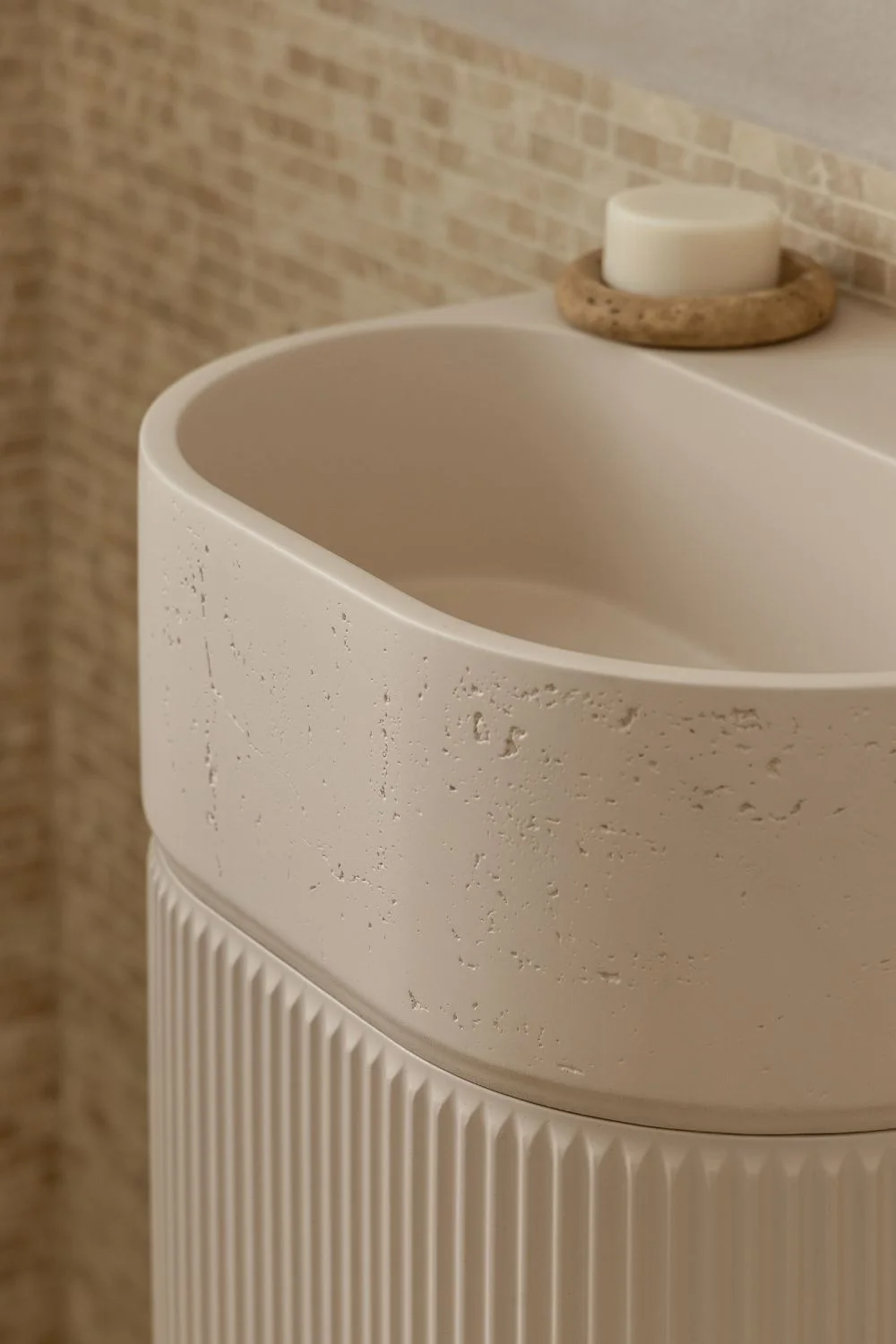
Bringing geometry into the finer details of an interior is often an afterthought shaped more by practicality than by intention. Yet it reveals itself in unexpected places, where even the simplest form can shift a space's mood.
The same silhouette can feel entirely different depending on its finish. A door handle in matte black introduces sharp, monochrome contrast, while brushed copper layered into a textured palette brings warmth and depth. In these moments, atmosphere is not only defined by colour but by the quiet interplay of shape and material.
Geometry You Can Touch
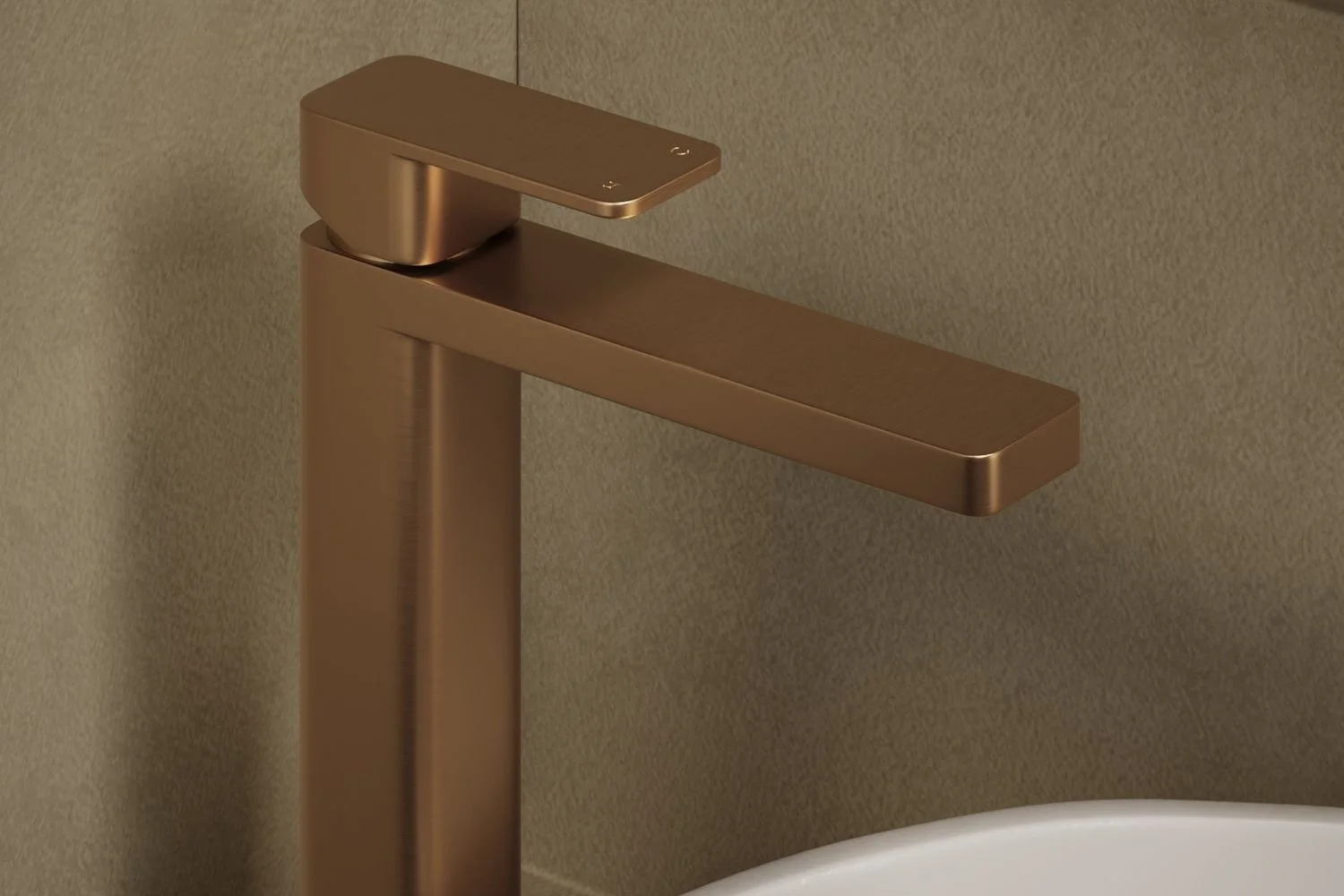
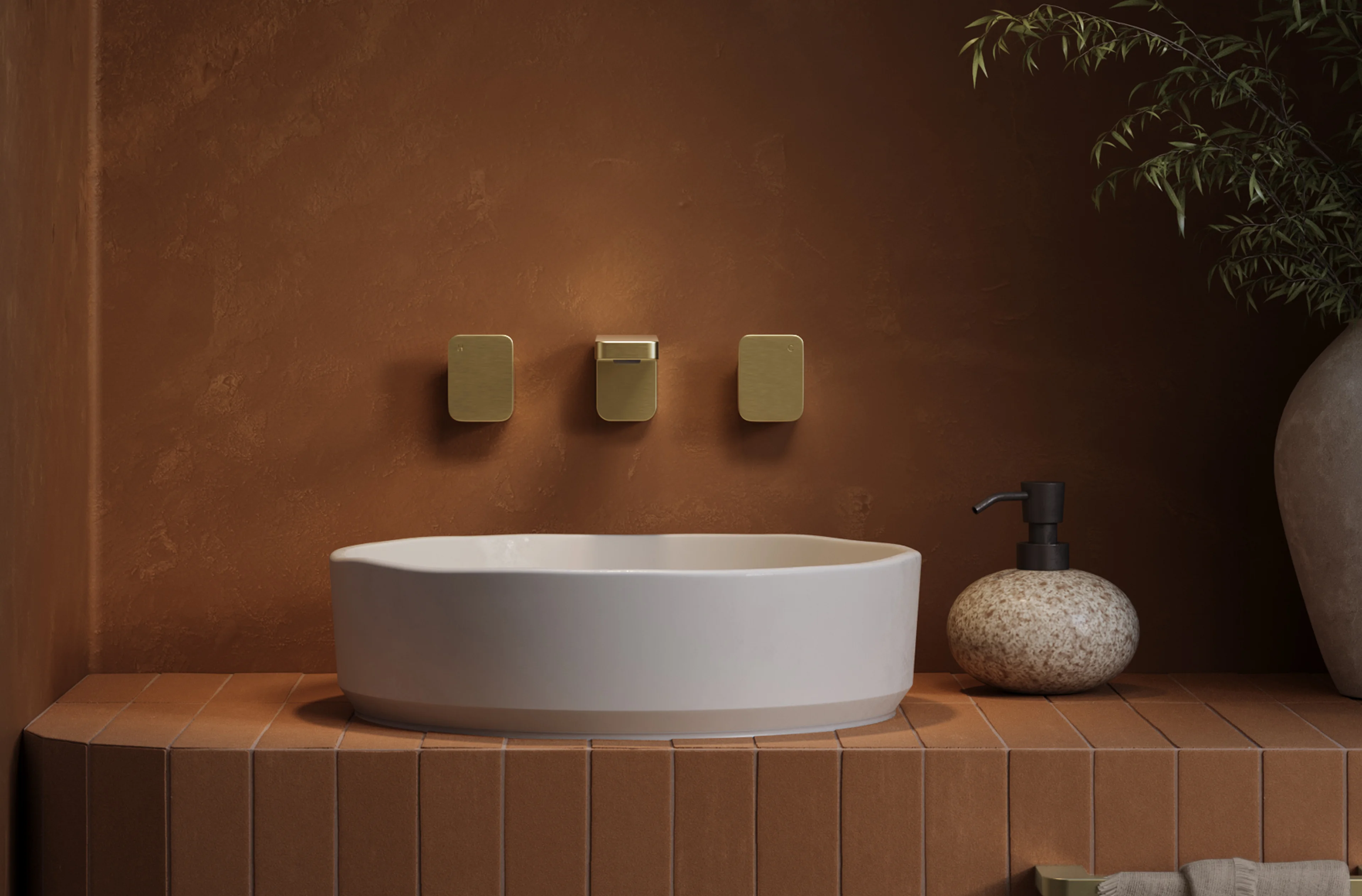
Placing geometric interior design into everyday spaces, our Nesso Collection reinterprets the square form, softening geometry to create a refined, intentional range. By balancing curves and clean lines, it brings together structure and calm in a distinctly modern expression.
Rather than competing with its surroundings, Nesso is designed to complement the architecture of a space, sitting effortlessly across styles from Japandi and modern minimalism to mid-century and industrial interiors.
When Every Angle is Intentional
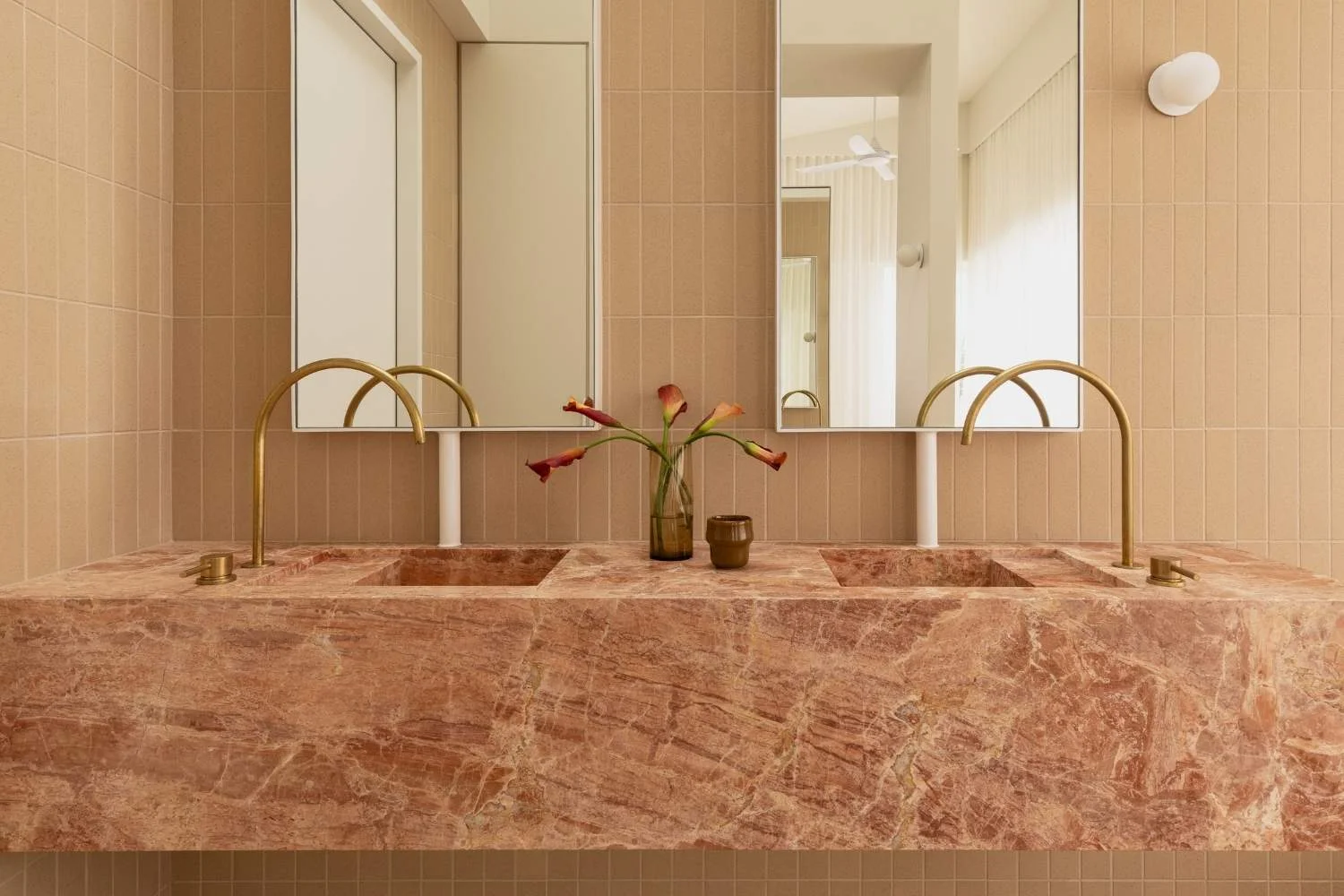
A truly captivating interior is never the result of one standout feature, but rather the sum of carefully chosen elements that together shape its mood and feeling.
The most powerful thing about geometrical design is that it doesn't require a renovation or a complete overhaul. Sometimes it starts with a single detail, a new fixture, a different shape, a more intentional choice in a space you thought was already finished. That one change can shift the way an entire room reads, because geometry has a way of connecting everything around it.
Across our range, geometry is not an afterthought, but a starting point. From the clean angles of square sinks to the soft curves of round basins, and from sculptural vanities to tapware like Nesso, each piece is designed as a considered geometric form bringing balance, intention, and quiet impact to your space.
Because at the end of the day, the best interiors aren't the ones with the boldest choices. They're the ones where every detail feels like it was placed with purpose, where geometry doesn't just decorate a space, but quietly defines it.
Looking for more interior inspiration? Read these blogs:
Interior Decoration Colour Combinations to Try in 2026
Modern Interior Design: Elevate Your Home With Form & Function