Our Range












The 2026 Lead Free Plumbing Law: What Every Australian Renovating Right Now Needs to Know
From 2 May 2026, due to lead free plumbing NZ requirements, new or replacement plumbing that carries drinking water in New Zealand must contain a weighted average of no more than 0.25% lead and, where it sits under water pressure, be dezincification-resistant (DZR). If you’re renovating, the key takeaway is to check that most everyday tap and mixer replacements are marked LF and DR in line with current requirements.
We explore what the law actually says, what's genuinely new about it, and what it means for your project.
What the 2026 lead free law actually says
New Zealand's Building Code Clause G12 (Water Supplies) now limits lead in copper alloy plumbing products, such as taps, mixers, valves and water heaters, to a weighted average of 0.25% or less. The rule sits within Acceptable Solution G12/AS1 3rd Edition Amendment 14, which becomes the only MBIE-approved pathway for new building consent applications from 2 May 2026.
Amendment 14 has actually been usable since 2 November 2024, running alongside the older Amendment 13 during a transition period. That transition ends at 11:59pm on 1 May 2026, after which Amendment 13 can no longer be used to demonstrate compliance. The applicable requirements are determined by the date of your building consent application, rather than the installation date. We explain this distinction in more detail below.
What is DZR/DR brass, and why does New Zealand require it?
DZR/DR brass (dezincification-resistant brass): a brass alloy engineered to resist dezincification, a corrosion process where zinc leaches out of standard brass over time, leaving behind a porous, weakened copper residue. Under Amendment 14, any copper alloy plumbing component that's in contact with drinking water and under hydrostatic (water) pressure must be DZR. Open, unpressurised fittings, such as showerheads and bath spouts, sit outside this specific requirement.
In plain terms, ordinary brass containing more than 15% zinc can slowly corrode from the inside when it sits behind a wall carrying pressurised water for years. That weakens fittings, can cause leaks in concealed pipework, and affects water quality over time. DZR brass is formulated to resist that process.
Why the change is happening
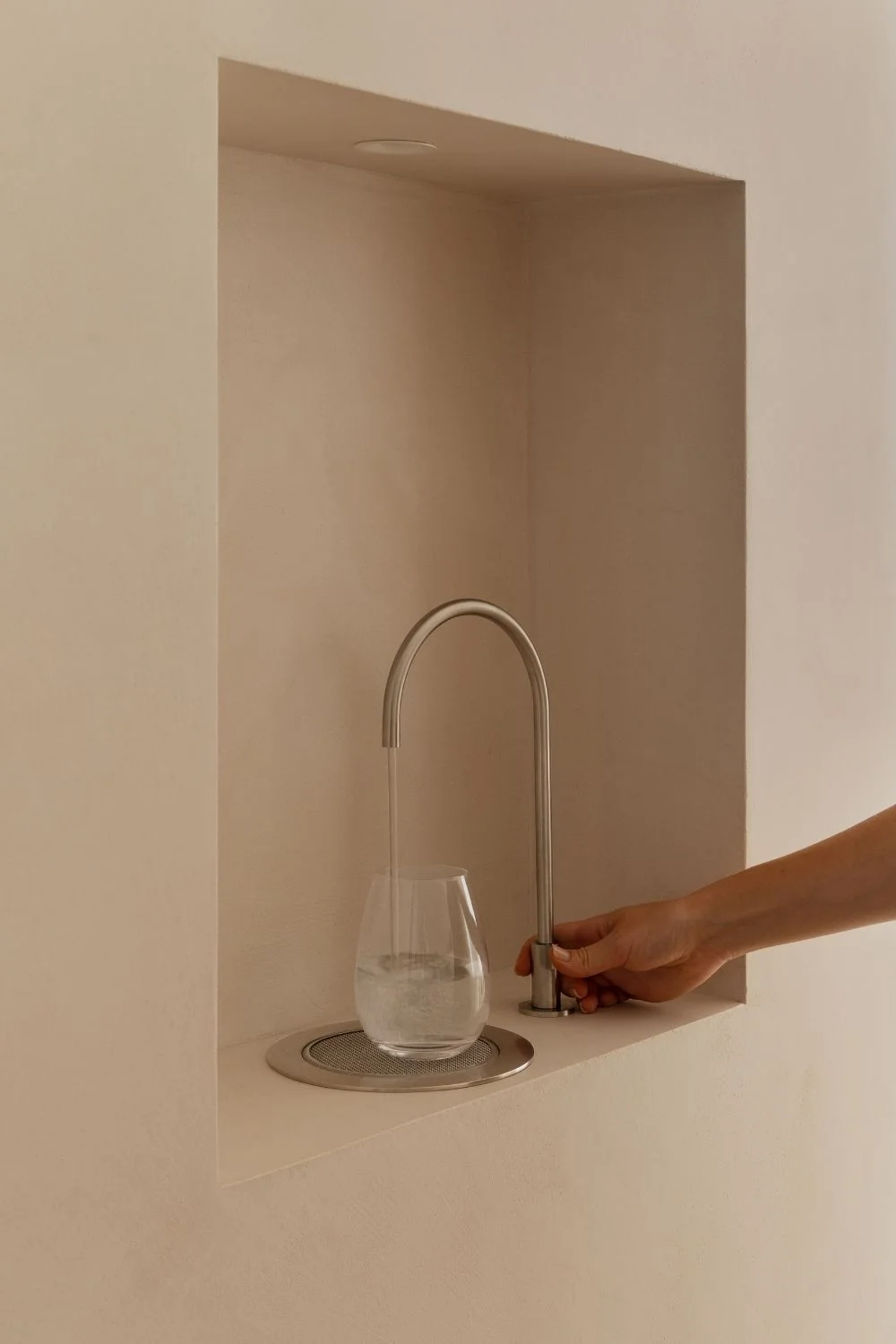
Most drinking water in New Zealand is plumbosolvent, meaning it can absorb small amounts of metal, including lead, from ageing plumbing fittings. Health authorities consider no level of lead exposure entirely safe, with children and pregnant people most at risk. The Water Services Authority – Taumata Arowai, New Zealand's drinking water regulator, has welcomed the change alongside the Ministry of Business, Innovation and Employment (MBIE), which owns the Building Code itself.
Does this affect my renovation?
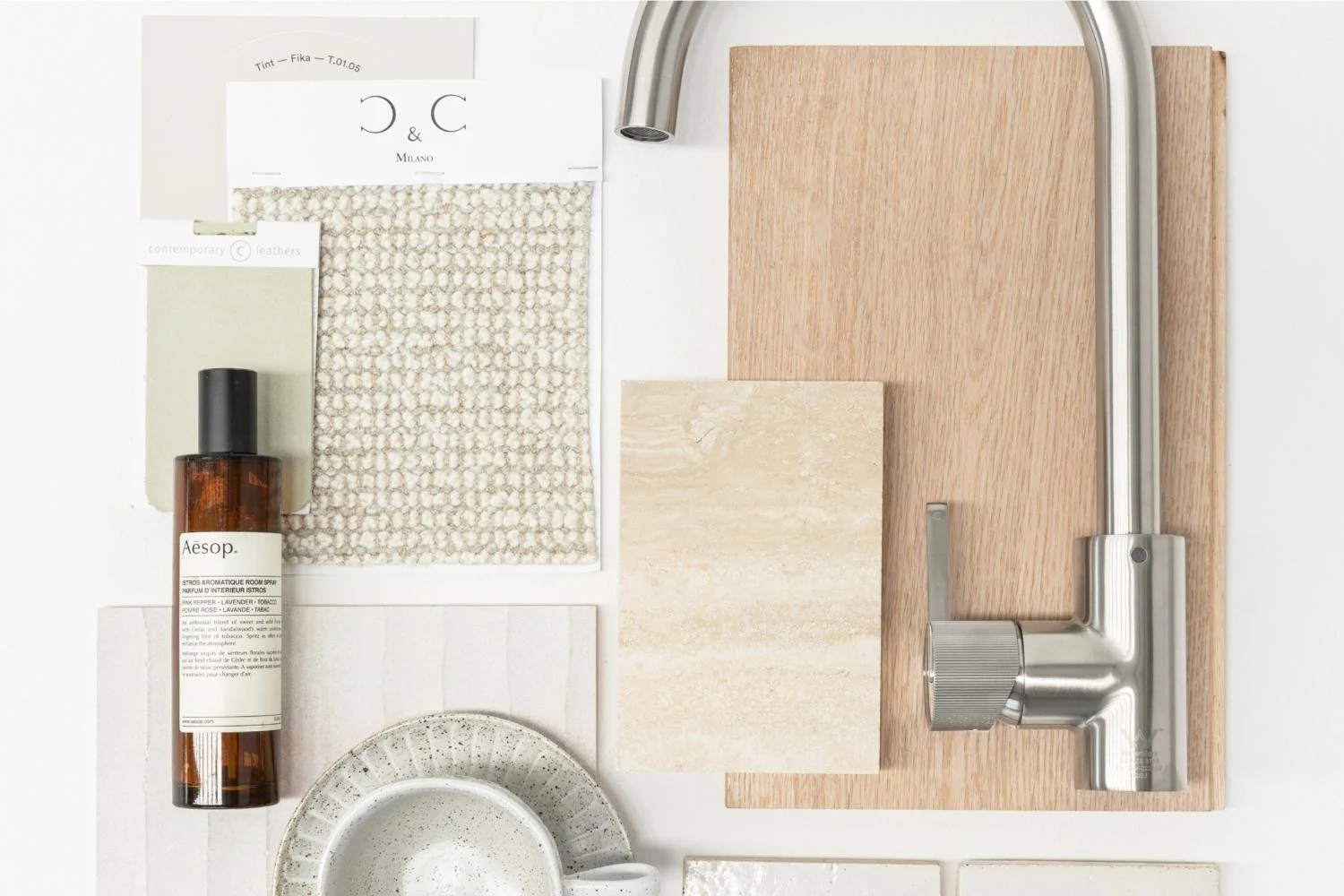
This depends on whether your project requires building consent and when that consent was lodged.
If your work requires a consent: applications lodged on or before 1 May 2026 can still comply using the older Amendment 13 provisions, even if the physical building work happens later. Consents already granted by that date, including projects still under construction, can proceed under whatever provisions were originally approved. Applications lodged on or after 2 May 2026 must meet Amendment 14, meaning low lead and DZR-compliant products where applicable.
If your work doesn't require consent (which includes many everyday tap and mixer replacements), there is no single date on which the new requirements take effect. MBIE recommends complying with Amendment 14 as the reference standard, but it's the plumber or practitioner who decides how to demonstrate Building Code compliance on the day. For most homeowners, the simplest approach is to choose products marked LF and DR, avoiding the need to navigate different requirements around consent and installation dates.
Which products are affected (and which aren't)
Which products are affected (and which aren't)
Covered by the lead free provision:
- Copper alloy fittings
- Stainless-steel braided hoses
- Valves (isolation, backflow prevention, pressure and temperature control)
- Taps and mixers
- Water meters
- Pumps used with hot and cold water supply
- Water heaters
- Hose taps connected to drinking water
- Residential water filtration equipment
- Water dispensers (boiling and cooling units, drinking fountains, bottle fillers)
- Fire sprinkler systems connected to cold water and not isolated from drinking-water fixtures
Not covered:
- Showers and baths, including shower and bath mixers
- Emergency showers, eyewash and facewash equipment
- Pumps used for irrigation or firefighting
- Appliances such as washing machines and dishwashers
- Commercial HVAC boilers
- Sanitary fixtures such as toilets, cistern inlet valves, bidets and urinals
- Non-potable or recycled water systems
Worth calling out separately: the DZR requirement has its own narrower carve-out within the covered list. Open, unpressurised outlets, showerheads, and bath spouts, among them, don't need to be DZR, even though they may otherwise fall within scope.
How to check a product is compliant
Look for LF (lead free) and DR (dezincification-resistant) markings directly on the product. whether you're browsing our tapware or a supplier's own stock. Behind those markings, compliance is generally demonstrated through:
- An NSF/ANSI/CAN 372:2020 test report for lead content
- An AS 2345:2006 test report for dezincification resistance
- Testing from an IANZ-accredited facility, or an equivalent recognised accreditation
- An accepted international certification mark, MBIE specifically names the Australian Lead Free WaterMark and ANSI-accredited third-party lead free certification marks as valid evidence
If you're buying tapware online or from an unfamiliar supplier, ask for this documentation before you buy, not after. A product with no visible LF or DR markings and no paperwork to back it up is a reasonable cause for caution.
Do I need to replace my existing tapware?
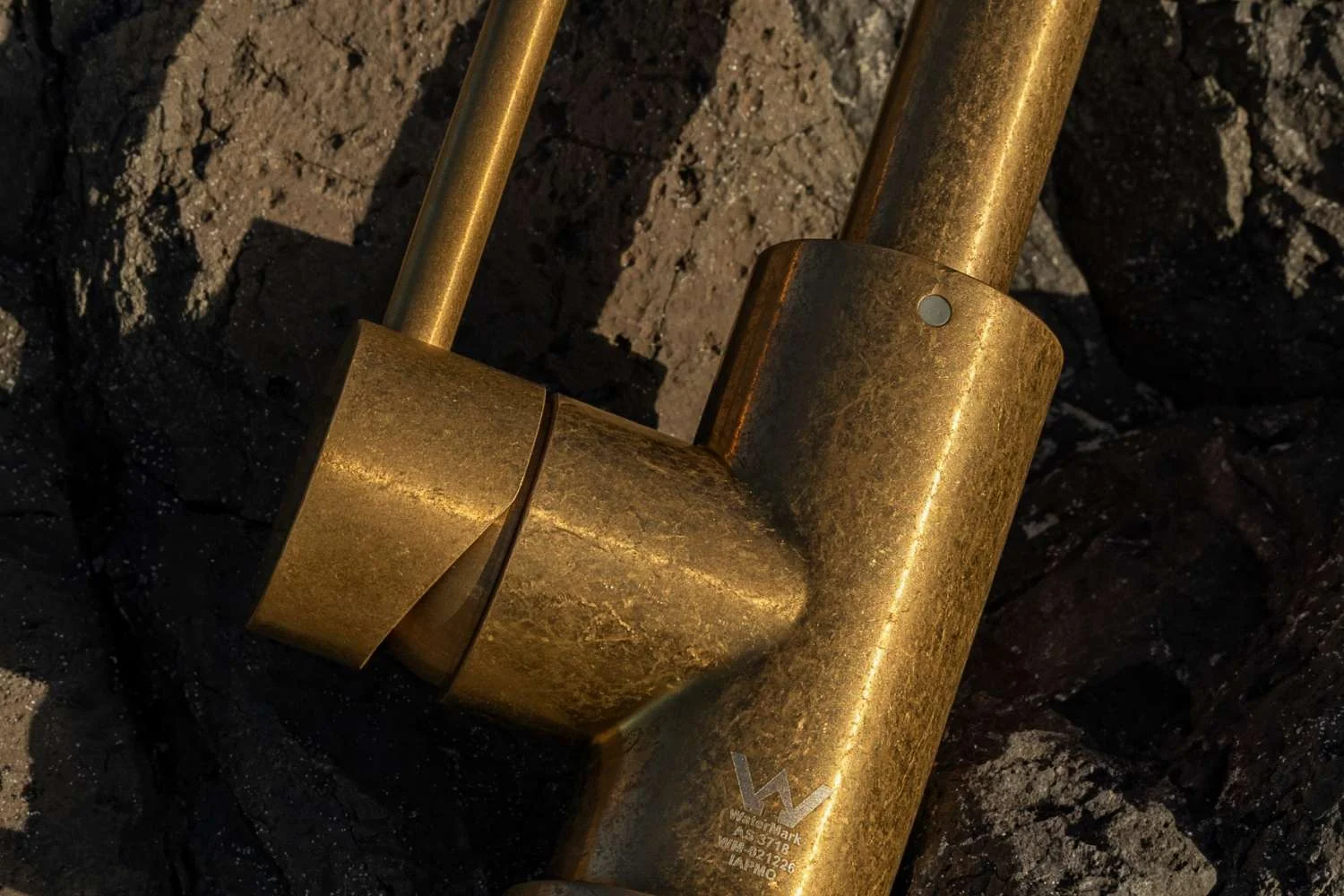
No. Taumata Arowai, New Zealand's drinking water regulator, has been clear on this point: existing buildings aren't affected, and homeowners don't need to replace plumbing that's already installed unless they're carrying out consented renovation work. If you live in an older home, run the tap for around ten seconds before drinking or cooking, or for a couple of minutes if it hasn’t been used for several days. This helps flush out water that has been sitting in older fittings.
How ABI Interiors Has Prepared for the Lead Free Transition

Our lead free tapware is built from two materials: premium 316-grade stainless steel, which is naturally lead free with no special formulation required, and newly formulated lead free brass for products that use a brass alloy construction.
Our tapware carries the Lead Free WaterMark, in addition to general WaterMark certification under AS/NZS 3718:2005, meeting the certification standard recognised across both Australia and New Zealand. Certification isn't a one-off check: it's backed by initial testing plus yearly audits to maintain ongoing compliance. You can independently confirm a product's licence via the WaterMark Product Database, searching by product name rather than relying on a general certification claim alone.
We have now completed our transition to lead free tapware across our range, including our brass products.
To identify our lead free products, look for the Lead Free WaterMark mark directly on the product, browse our dedicated lead free tapware range online, or check the Product Information tab on any individual product page, which lists the exact construction material used.
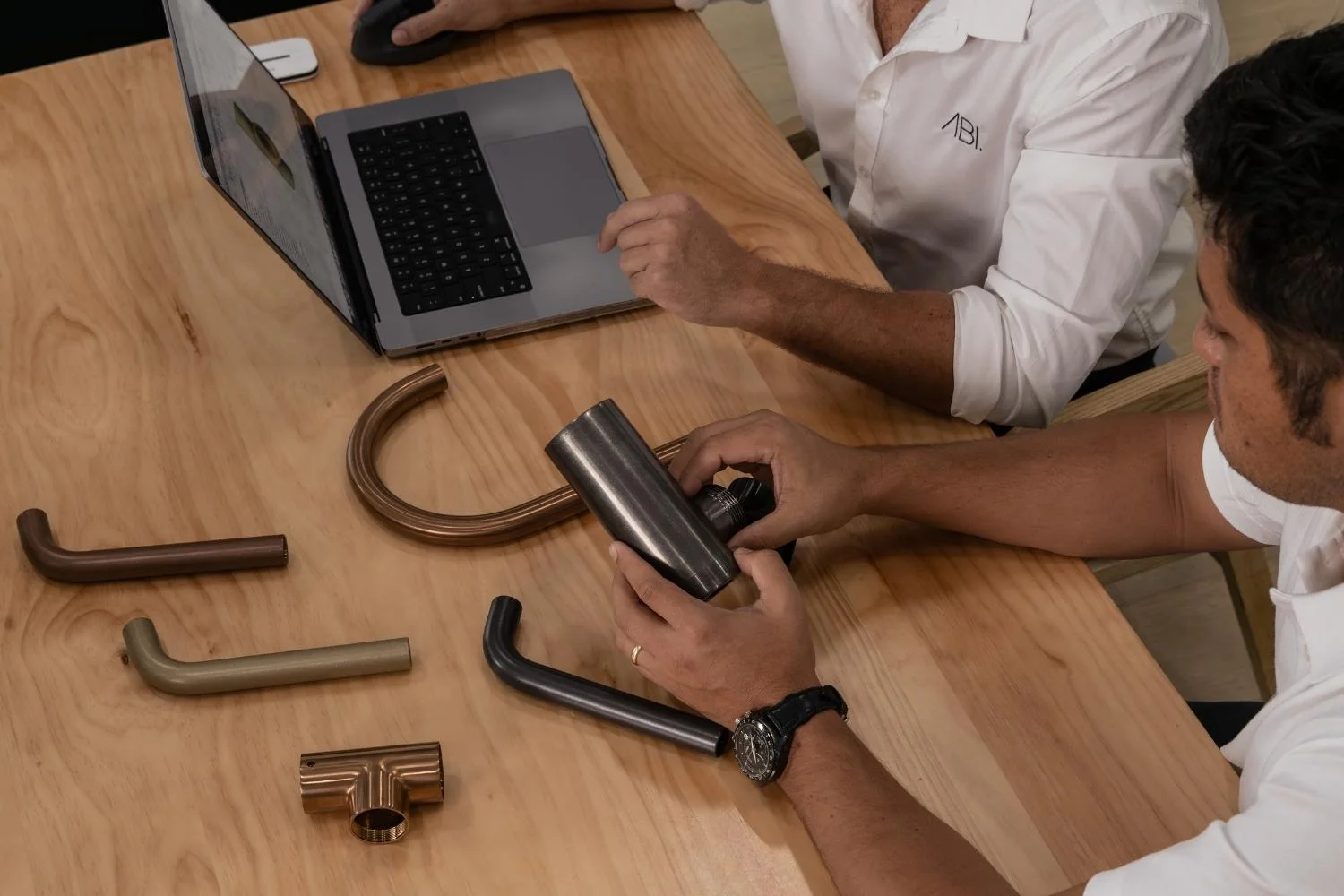
Compliance and product development sit with ABI's Australian design team, with finishing and assembly carried out at our ISO 9001-certified facility in Zhongshan, China. Our Guangzhou-based quality team oversees each stage of production, inspection, and testing.
Is compliant tapware more expensive or of a different quality?
Manufacturers have had since November 2024 to prepare, so LF- and DR-compliant tapware is already mainstream rather than a premium niche. Stainless steel tapware is naturally lead free by material, no special formulation required, and offers strong corrosion resistance in its own right. Our own lead free tapware range, brass included, is now complete. DZR is a separate certification from lead content, so if you're specifying compliant tapware for a consented project, confirm DZR status product by product rather than assuming it follows automatically.
What this means for trade and plumbers
For practitioners, the consent-date logic above is the main operational change: applications from 2 May 2026 must use Amendment 14, while consents lodged or granted on or before 1 May 2026 can proceed on their original approved provisions. For non-consented work, there's no mandated switch-over date, but Amendment 14 is the recommended reference point, and the practitioner is responsible for demonstrating that all plumbing work, products, and methods comply with the Building Code.
One technical note worth passing on to any trade audience: brazing can compromise a DZR fitting's corrosion resistance if done at high temperatures. MBIE's guidance is to avoid localised hot spots and to braze at the lowest practicable temperature.
Renovating right now? Your quick checklist
- Ask your plumber or supplier whether your tapware, mixer or valve is marked LF and DR.
- If your project requires building consent, check when the application was lodged. Applications lodged before 2 May 2026 may follow the previous requirements, while those lodged on or after this date must comply with Amendment 14.
- Remember showerheads, bath spouts, and shower and bath mixers sit outside this particular provision; don't expect LF/DR markings on those.
- You don't need to replace tapware that's already installed. The rule is not retrospective.
- If you're unsure, ask for the test report (NSF/ANSI/CAN 372 or AS 2345) or an accepted certification mark, such as the Australian Lead Free WaterMark.
- Talk to a licensed plumber before starting consented work. They carry the on-site compliance responsibility.
Frequently Asked Questions
What is the lead free plumbing law in New Zealand?
It's an update to Building Code Clause G12 (Water Supplies), as demonstrated in Acceptable Solution G12/AS1, 3rd Edition, Amendment 14. It limits lead in copper alloy plumbing products in contact with drinking water to a weighted average of 0.25% or less, and requires pressurised copper alloy components to be dezincification-resistant.
When does lead free plumping start in NZ?
2 May 2026 is when Amendment 14 became the only MBIE acceptable solution for new building consent applications. Existing consents and already-installed plumbing aren't affected.
What's the difference between lead free and DZR?
Lead free limits how much lead a copper alloy product can contain. DZR addresses a different problem, zinc corrosion under pressure, and applies specifically to pressurised copper alloy fittings.
Do I need a building consent for new tapware?
Not usually for a straightforward like-for-like tap or mixer swap, but consent requirements depend on the specific job. Check with your council or plumber.
Does the NZ rule start on the same day as Australia?
Australia's manufacturing deadline for lead free plumbing products was 1 May 2026; New Zealand's Amendment 14 became the sole acceptable solution for new consent applications one day later, on 2 May 2026. The two countries' installation timelines also differ: Australia's national installation deadline has since been extended to 1 May 2028.
Renovating Right Now? Your Quick Checklist
- Confirm which state your project is in, as the installation deadline varies by state.
- Check your installation date, not your contract or permit date.
- Ask your plumber or supplier to confirm that the WaterMark Lead Free logo appears on any copper alloy tapware, mixers, valves, or fittings.
- Cross-check the product in the WaterMark Product Database for independent confirmation.
- Don't assume existing installed tapware needs replacing; this law applies to new work and therefore isn’t retrospective.
- If you're in Victoria, lead free product has been mandatory for all installations since 1 May 2026. If you're elsewhere in Australia, note the 1 May 2028 deadline, but expect lead free stock to already be the default in most ranges.
FAQs
What is the lead free plumbing law in New Zealand?
It's an update to Building Code Clause G12 (Water Supplies), as demonstrated in Acceptable Solution G12/AS1, 3rd Edition, Amendment 14. It limits lead in copper alloy plumbing products in contact with drinking water to a weighted average of 0.25% or less, and requires pressurised copper alloy components to be dezincification-resistant.
When does lead free plumping start in NZ?
2 May 2026 is when Amendment 14 became the only MBIE acceptable solution for new building consent applications. Existing consents and already-installed plumbing aren't affected.
What's the difference between lead free and DZR?
Lead free limits how much lead a copper alloy product can contain. DZR addresses a different problem, zinc corrosion under pressure, and applies specifically to pressurised copper alloy fittings.
Do I need a building consent for new tapware?
Not usually for a straightforward like-for-like tap or mixer swap, but consent requirements depend on the specific job. Check with your council or plumber.
Does the NZ rule start on the same day as Australia?
Australia's manufacturing deadline for lead free plumbing products was 1 May 2026; New Zealand's Amendment 14 became the sole acceptable solution for new consent applications one day later, on 2 May 2026. The two countries' installation timelines also differ: Australia's national installation deadline has since been extended to 1 May 2028.
This article is general information, not legal or plumbing advice. Confirm your specific project's obligations with a licensed plumber or your building consent authority.
For more information in this field, explore our Lead Free Tapware range or read more on our Product Quality page.
For further information, check out this blog:
How ABI Interiors is Redefining Sustainable Tapware in New Zealand
Alternatively, explore these buying guides:
Bathroom Tapware Guide
Sources:
- Ministry of Business, Innovation and Employment (MBIE) — Building Performance: New requirements for lead free and dezincification resistant copper alloy plumbing products (G12/AS1 3rd Edition Amendment 14). https://www.building.govt.nz/building-code-compliance/g-services-and-facilities/g12-water-supplies/lead-in-plumbing-products
- Water Services Authority – Taumata Arowai — New rules introduced for lead free plumbing products. https://www.taumataarowai.govt.nz/home/articles/new-rules-introduced-for-lead-free-plumbing-products
- Beehive.govt.nz — Lead free plumbing rules protect drinking water. https://www.beehive.govt.nz/release/lead-free-plumbing-rules-protect-drinking-water