Our Range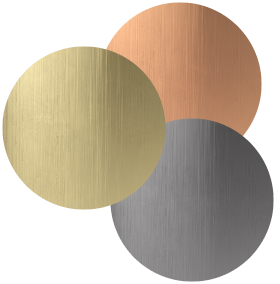













What Is Engineered Timber Flooring? Pros, Cons, and What to Know Before Choosing
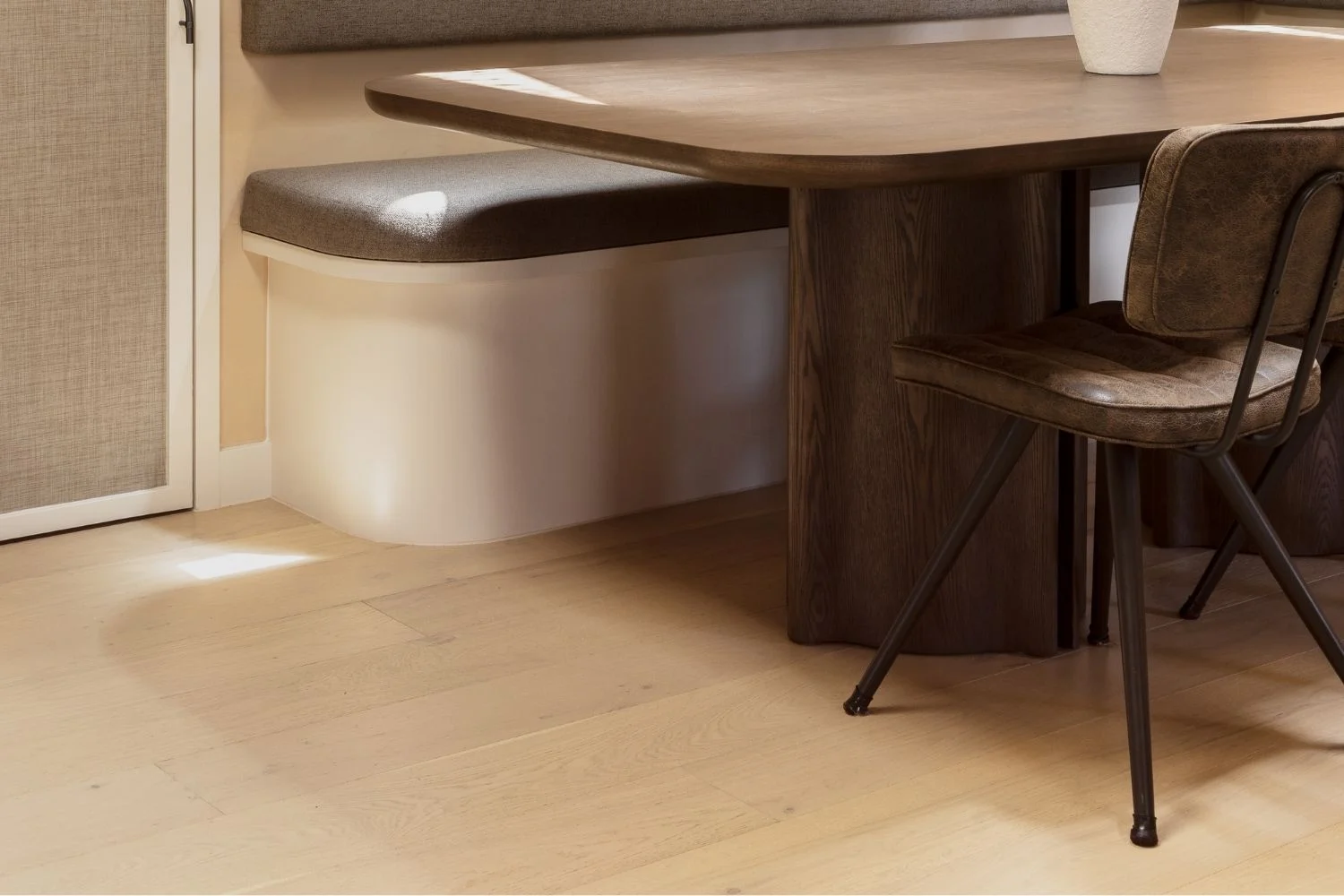
Engineered timber flooring offers the natural warmth and beauty of solid hardwood with greater stability and flexibility underfoot. Constructed from a real timber veneer, it performs well across a range of environments, including spaces where solid wood may be prone to movement or moisture.
So how do you know if it's the right fit? We break down how engineered timber flooring is made, consider the engineered timber flooring pros and cons, which spaces it works best in, and how to style it with complementary materials and finishes. Whether you're renovating or building new, this guide will help you make confident choices.
What is Engineered Timber Flooring?
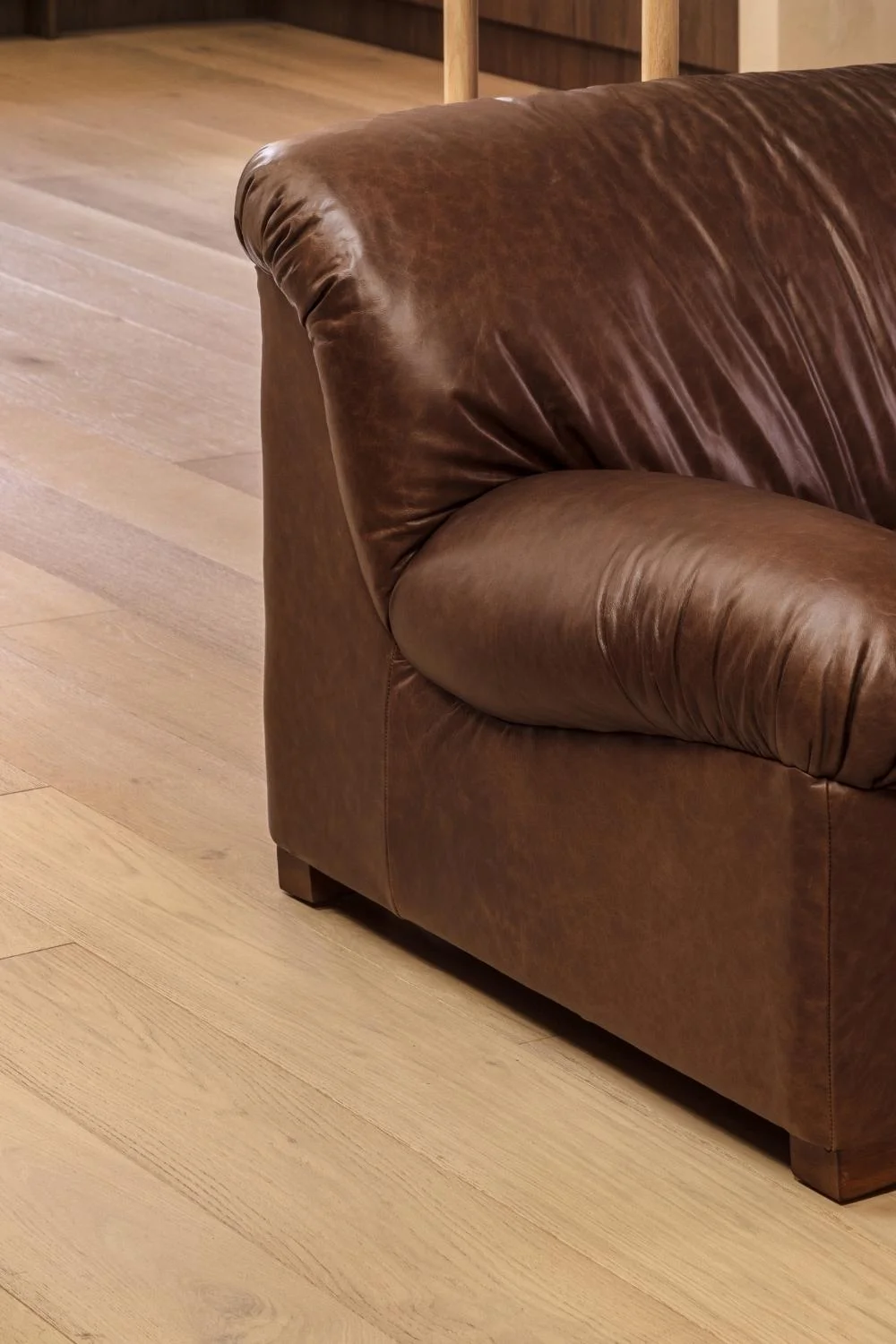
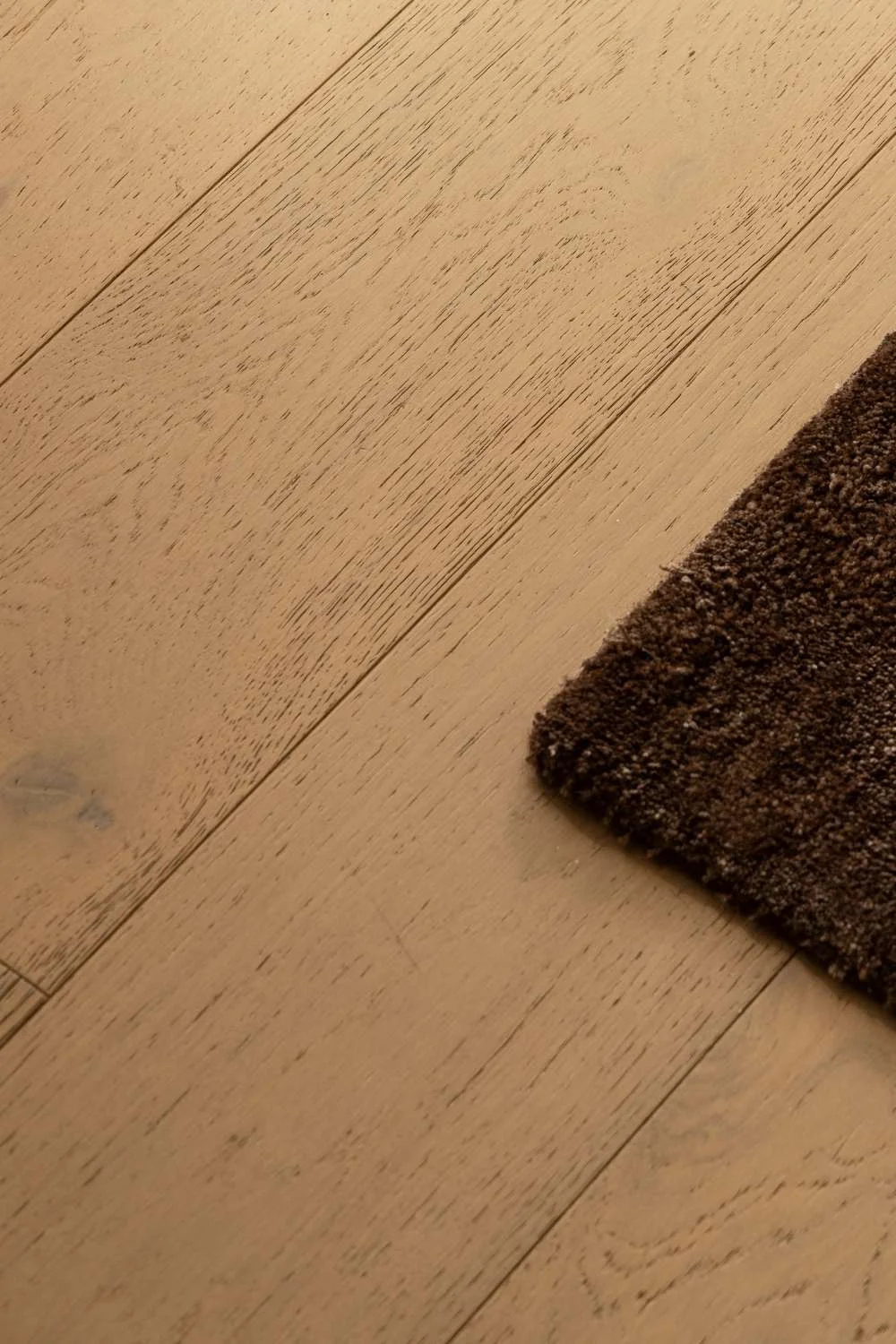
Engineered timber flooring is a real wood flooring option built for improved stability and performance compared to solid hardwood. Instead of being cut from a single piece of timber, it is made from multiple layers, helping it resist the warping and shifting that solid wood can experience over time.
This layered construction makes it a reliable choice across a range of settings, including rooms with underfloor heating, concrete subfloors, or variable indoor climates. It can be installed as a floating floor, glued down, or mechanically fixed, offering flexibility across different spaces and layout requirements.
How Engineered Timber Flooring Is Made
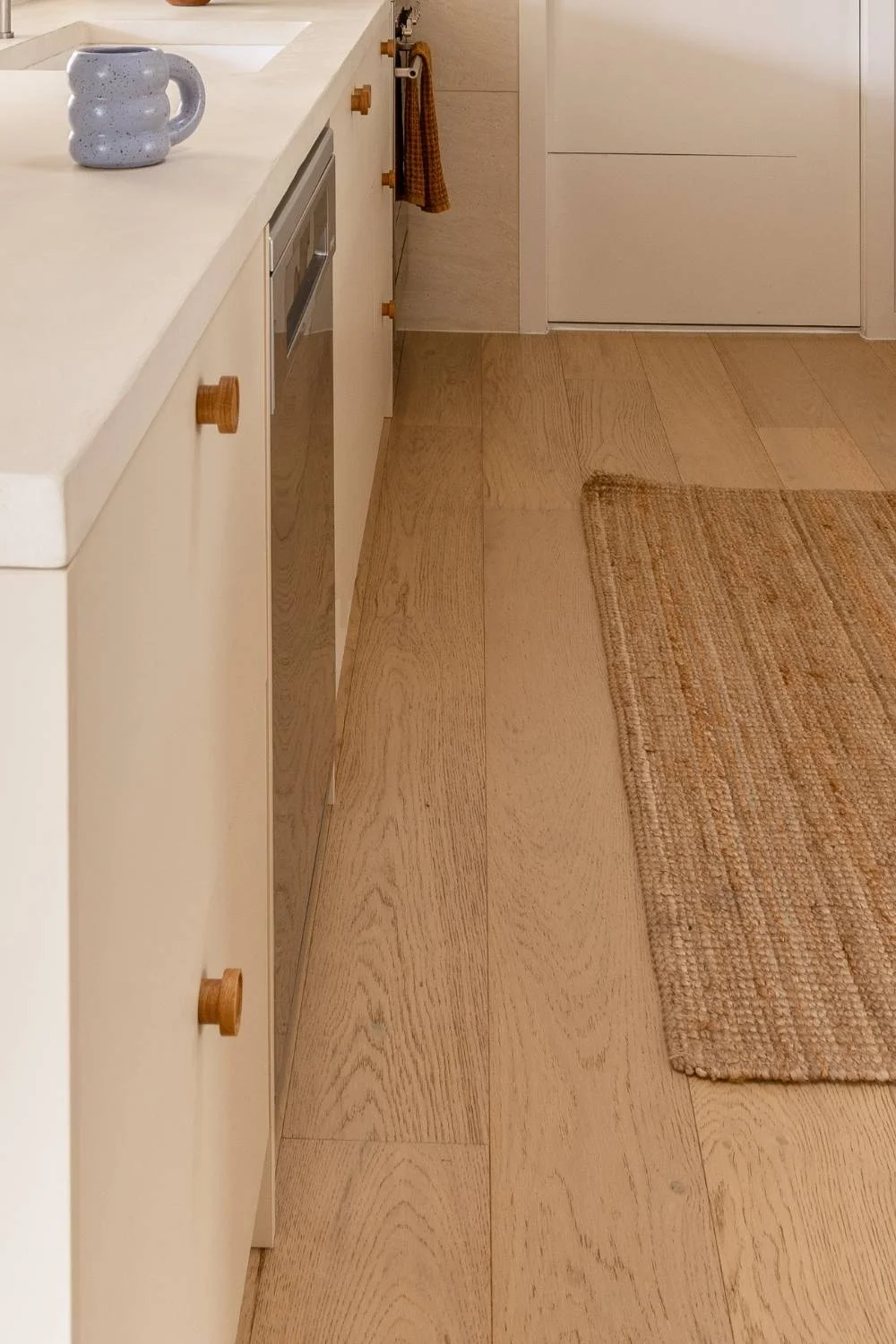
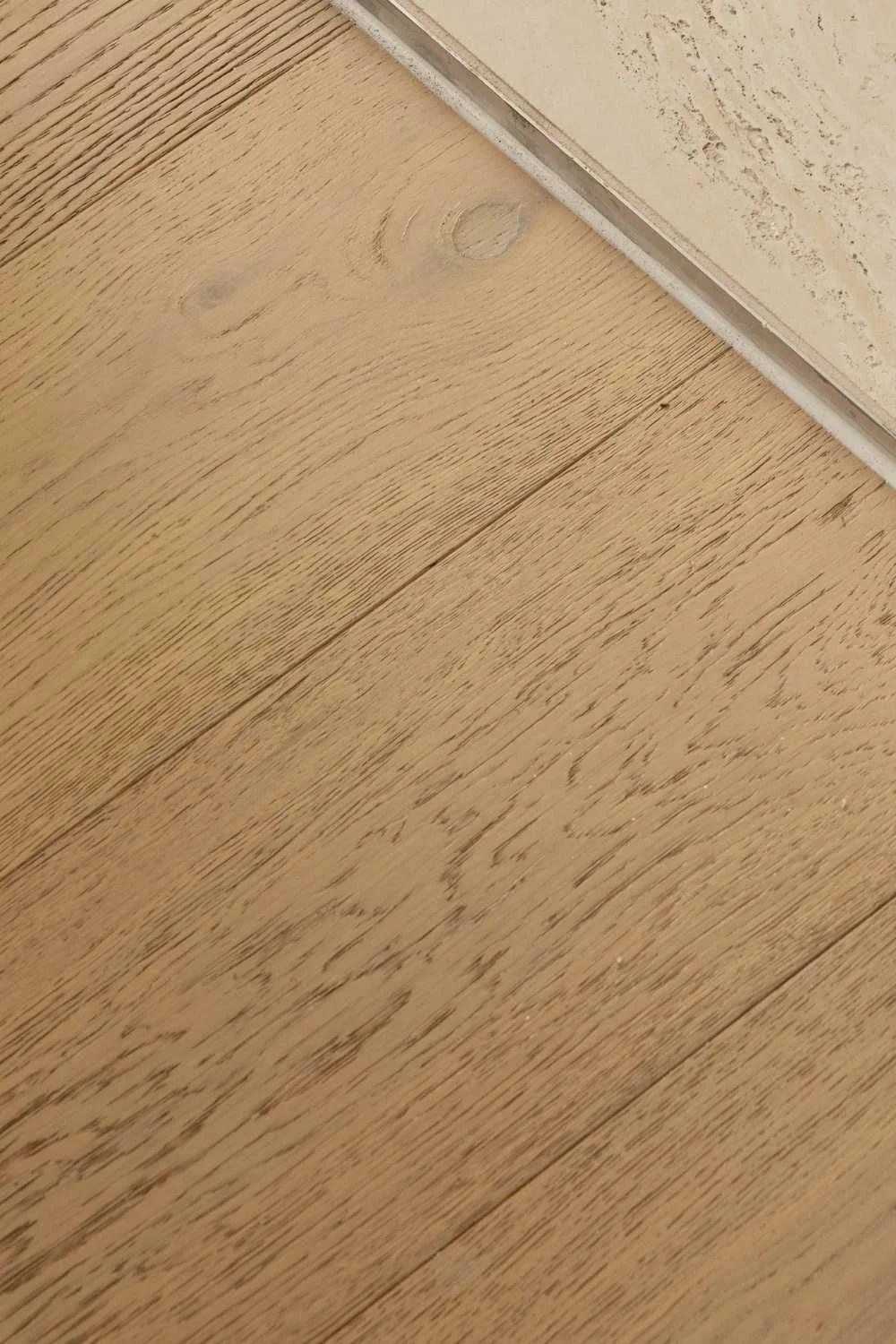
Engineered timber flooring is built from several sheets of plywood or composite board, each laid at opposing angles to form a cross-layered core. This construction provides the flooring with strength and dimensional stability.
The top layer is a surface veneer of real hardwood, typically 2mm to 6mm thick, which provides the natural grain, texture and warmth you see and feel underfoot. A thicker veneer allows sanding and refinishing over time, while the cross-bonded core beneath maintains structural integrity across varying subfloor types and climate conditions.
Oak is among the most common options for this surface layer, and engineered oak timber flooring remains a go-to thanks to its versatile grain pattern, hardwearing surface and compatibility with a broad range of design styles.
Engineered Timber Flooring vs Solid Timber
Choosing between engineered and solid timber flooring often comes down to stability versus longevity. Here are the key factors to consider.
| Engineered Timber | Solid Timber |
| More stable | Can expand/contract |
| Easier installation | More complex install |
| Cost-effective | Premium cost |
| Limited refinishing | Can be refinished multiple times |
Engineered Timber Flooring Pros and Cons
Weighing up these benefits and drawbacks of engineered timber flooring is an important step before committing. Here's what to keep in mind.
Pros
Greater stability
The cross-bonded core of engineered timber minimises the warping and shifting common with solid hardwood, making it a dependable choice where temperature and moisture levels vary.
Suitable for more environments
Engineered flooring works well over concrete subfloors and alongside underfloor heating, giving it versatility that solid timber often cannot match.
Easier installation
It can be floated, glued or mechanically fixed, allowing for a more straightforward installation with less time and labour required.
More cost-effective than solid timber
Engineered timber offers the look and feel of solid hardwood at a more affordable price, making it a practical option without compromising aesthetics.
Cons
Limited sanding and refinishing
Engineered timber can be sanded and refinished, but the number of times depends on the veneer thickness. A thinner veneer limits how many times the surface can be restored.
Quality varies by manufacturer
The standard of engineered flooring can differ considerably between brands. Core construction, veneer quality and adhesive bonding all play a role, making it important to source from a trusted supplier.
Can be more expensive than laminate
While it offers better value than solid hardwood, engineered timber typically costs more than laminate or hybrid flooring options.
Requires proper installation
Getting the best performance from engineered timber relies on correct installation, including appropriate subfloor preparation, moisture testing and allowance for expansion. Cutting corners here can cause problems down the line.
Best Engineered Timber Flooring for Different Spaces
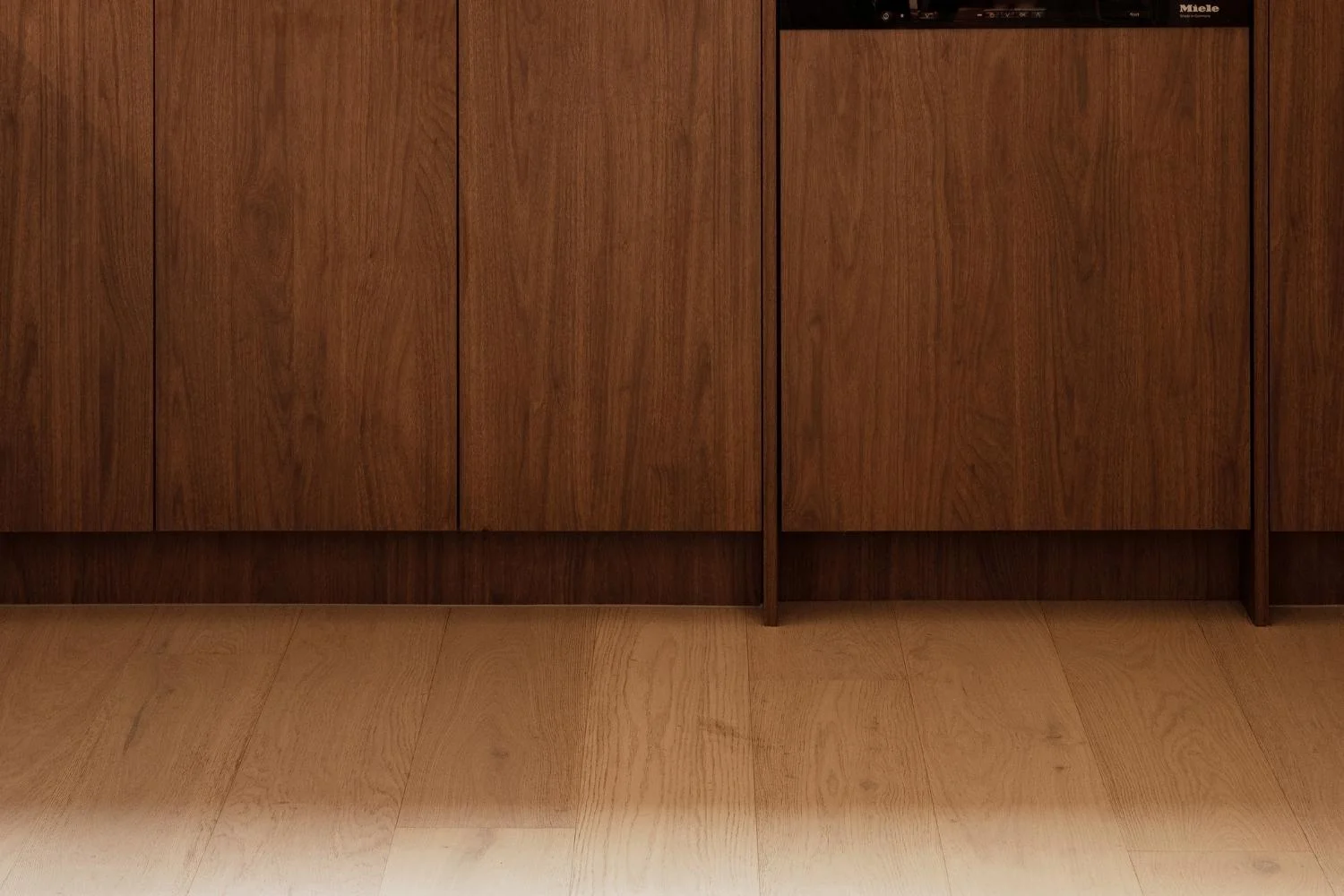
Finding the best engineered timber flooring starts with understanding how each space in your home will be used. Here's a quick guide to where it works well.
Living Areas
Engineered timber suits living spaces well, offering the warmth and feel of real wood alongside the durability needed for everyday foot traffic and family life.
Kitchens
Kitchens are a viable option for engineered timber, provided moisture is managed carefully. A sealed or lacquered finish and prompt attention to spills will help maintain the floor's condition over the long term.
Bedrooms
Engineered timber's natural warmth and softer underfoot feel make it an ideal choice for bedrooms, creating a quiet, comfortable space to start and end the day.
Styling Engineered Timber Flooring in Your Home
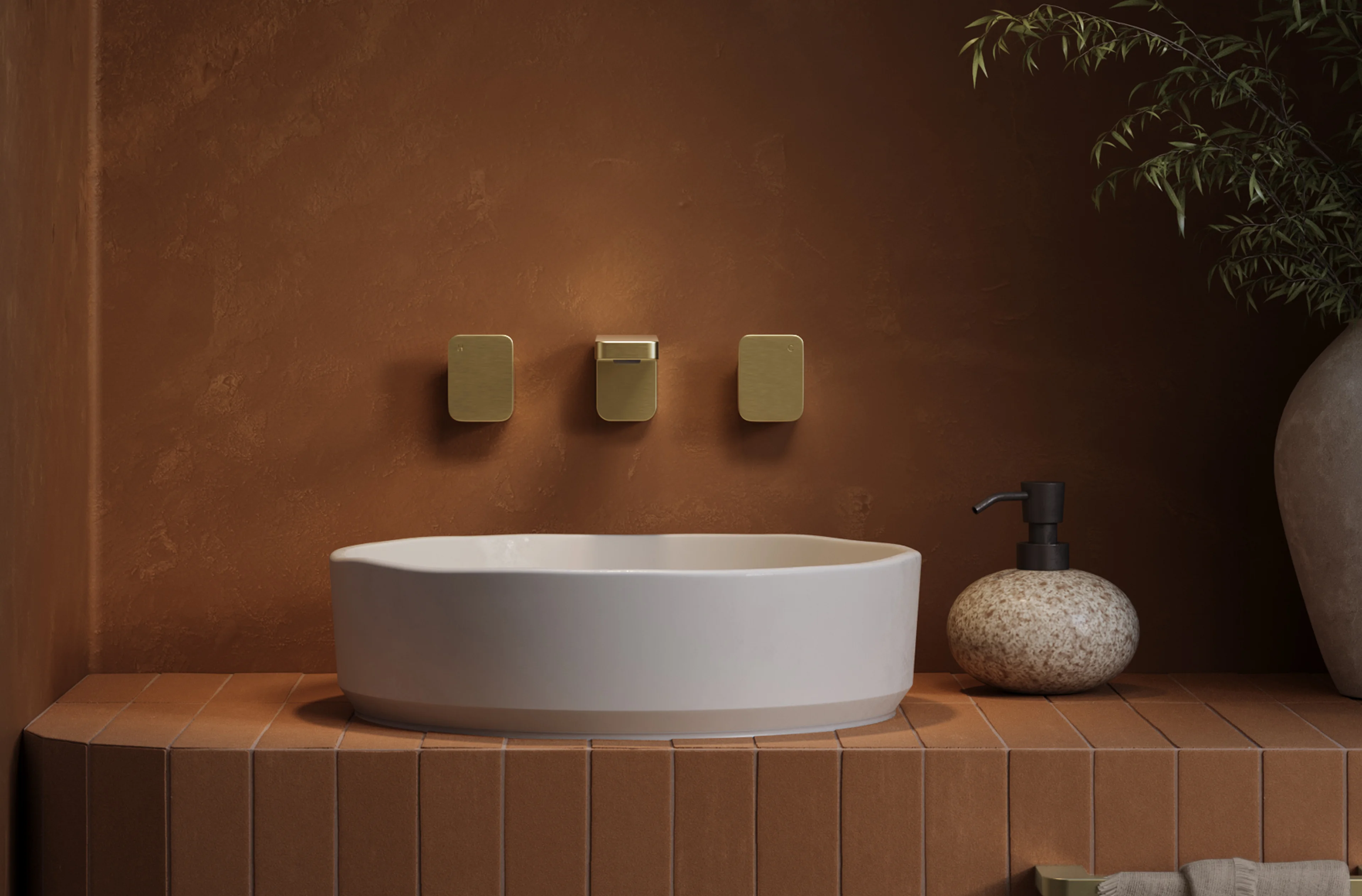
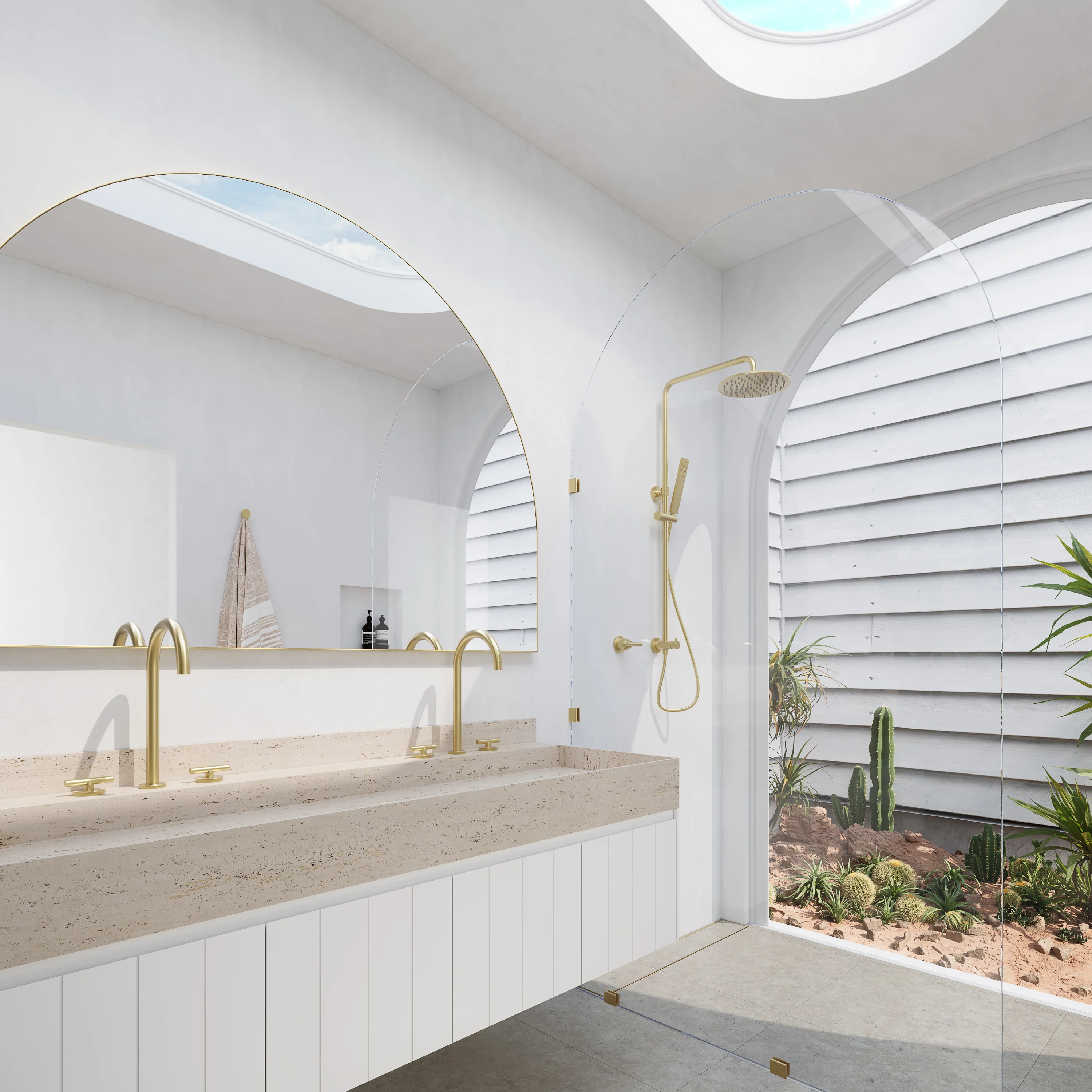
Engineered timber flooring provides a versatile foundation that pairs naturally with a wide range of materials and finishes. Natural stone, whether as a benchtop or feature tiling, introduces a cooler, tactile contrast against the timber grain. Warm metallic finishes for your fixtures, like brushed copper, complement the timber beautifully, while darker options like brushed gunmetal offer a bolder, more contemporary edge.
In kitchen settings, aligning your flooring with coordinated tapware makes a noticeable difference. Choosing ABI Interiors' kitchen tapware range in antique brass or brushed copper adds warmth and detail to the heart of the home, tying the timber flooring into the broader design.
Final Thoughts: Choosing the Right Flooring
The right flooring choice comes down to balancing aesthetics with everyday practicality. For modern homes and open-plan living, engineered timber flooring offers the best of both, combining the warmth and character of real wood with the stability to perform across a variety of spaces and conditions.
Paired with the right materials and finishes, it creates a cohesive foundation that ties an interior together. It’s a flooring option that suits the way we live now, flexible enough to work across living areas, kitchens and bedrooms while maintaining a consistent, considered look throughout the home.
Inspired by this blog? Find more inspiration here:
Tiles vs Floorboards: Which is Best for Your Home?
Tile Texture: Choosing the Right Finish for Every Space
The Art of Achieving a Luxury Modern Kitchen Design