Our Range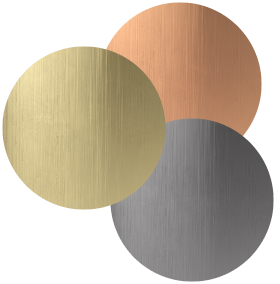













Understanding Interior Architecture
Interior architecture is a term frequently used by designers, representing a distinct discipline that sits between architecture and interior design.
Beneath the decorative layer, interior architecture forms the structural framework of a building. With a focus on human-centred design, this arrangement of elements establishes structure, flow, and function long before aesthetic details are introduced.
Whether it’s a palatial open-plan living area or the gentle curve of a staircase, interior architecture plays a pivotal role. We explore the techniques and terminology behind this practice, and how to apply the most compelling elements to your own home.
Interior Architecture and Interior Design
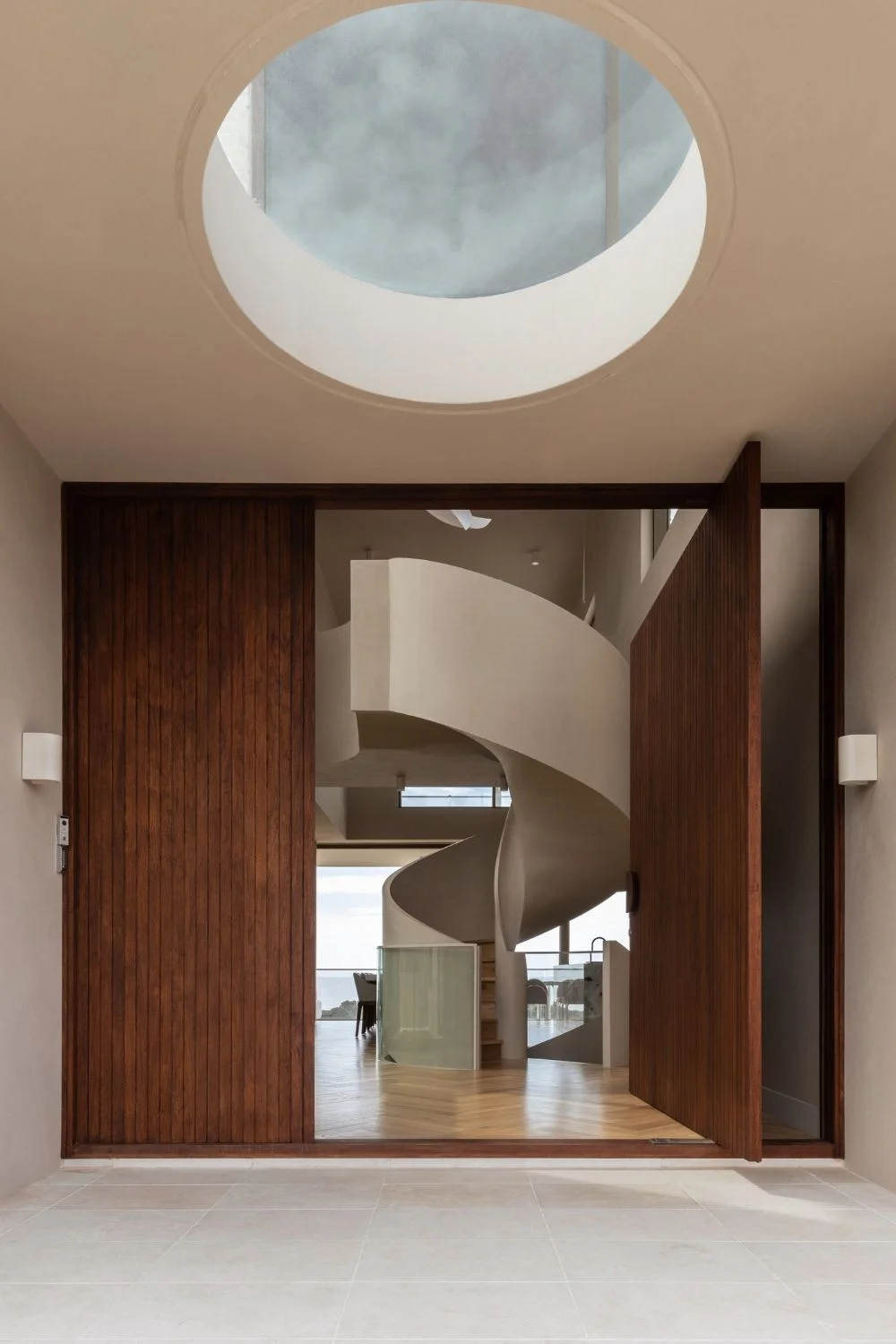
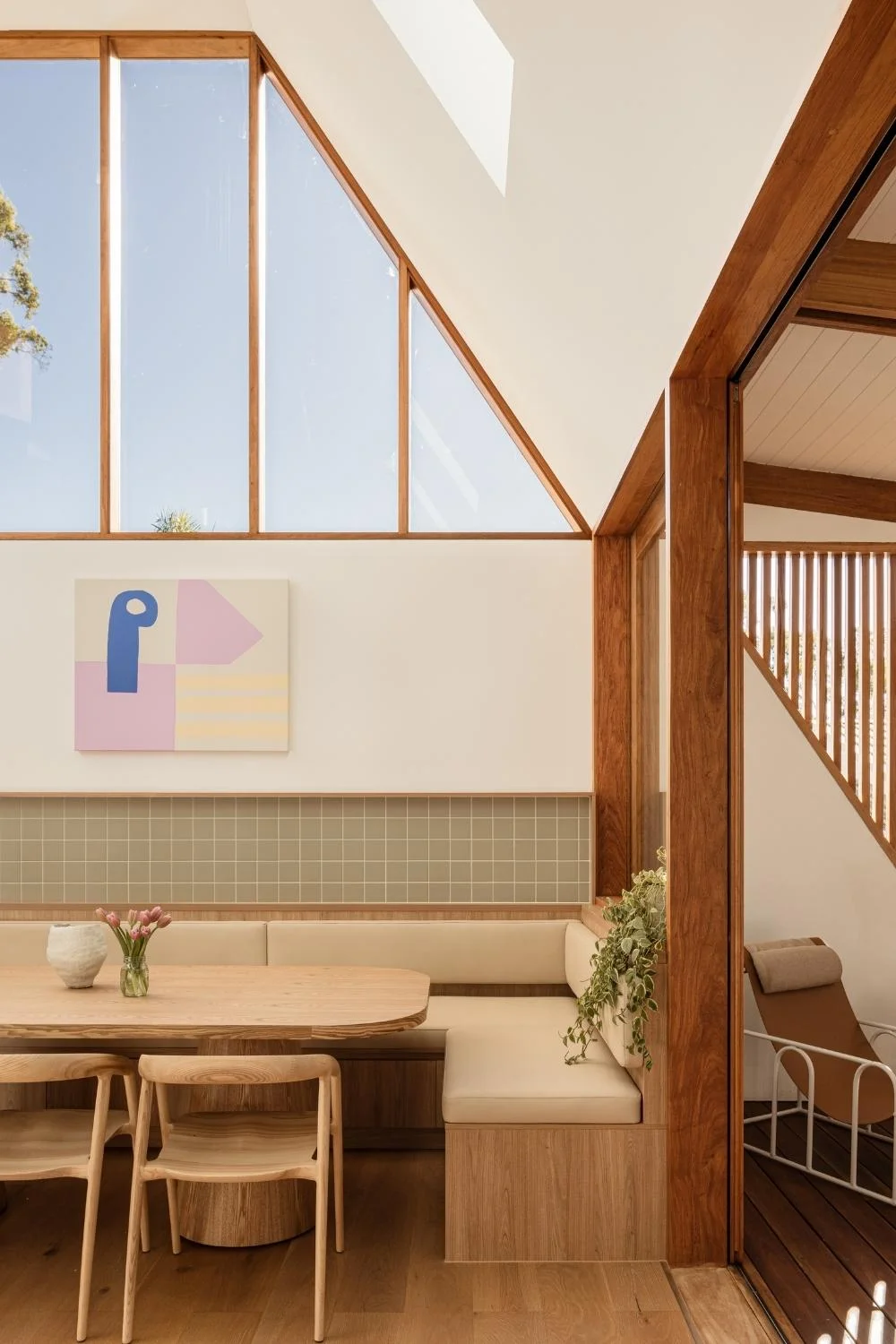
Interior architecture combines the creative expression of interior design with the structural and technical rigour of architecture, shaping spaces where function and aesthetics exist in harmony.
Often described as the bridge between architecture and interior design, interior architecture goes beyond surface-level styling to address the material nature of a space. It prioritises safety, usability, and flow alongside visual appeal.
By contrast, interior design leans more heavily into decorative expression — finishes, furnishings, and aesthetic influences drawn from regions, eras, or materials.
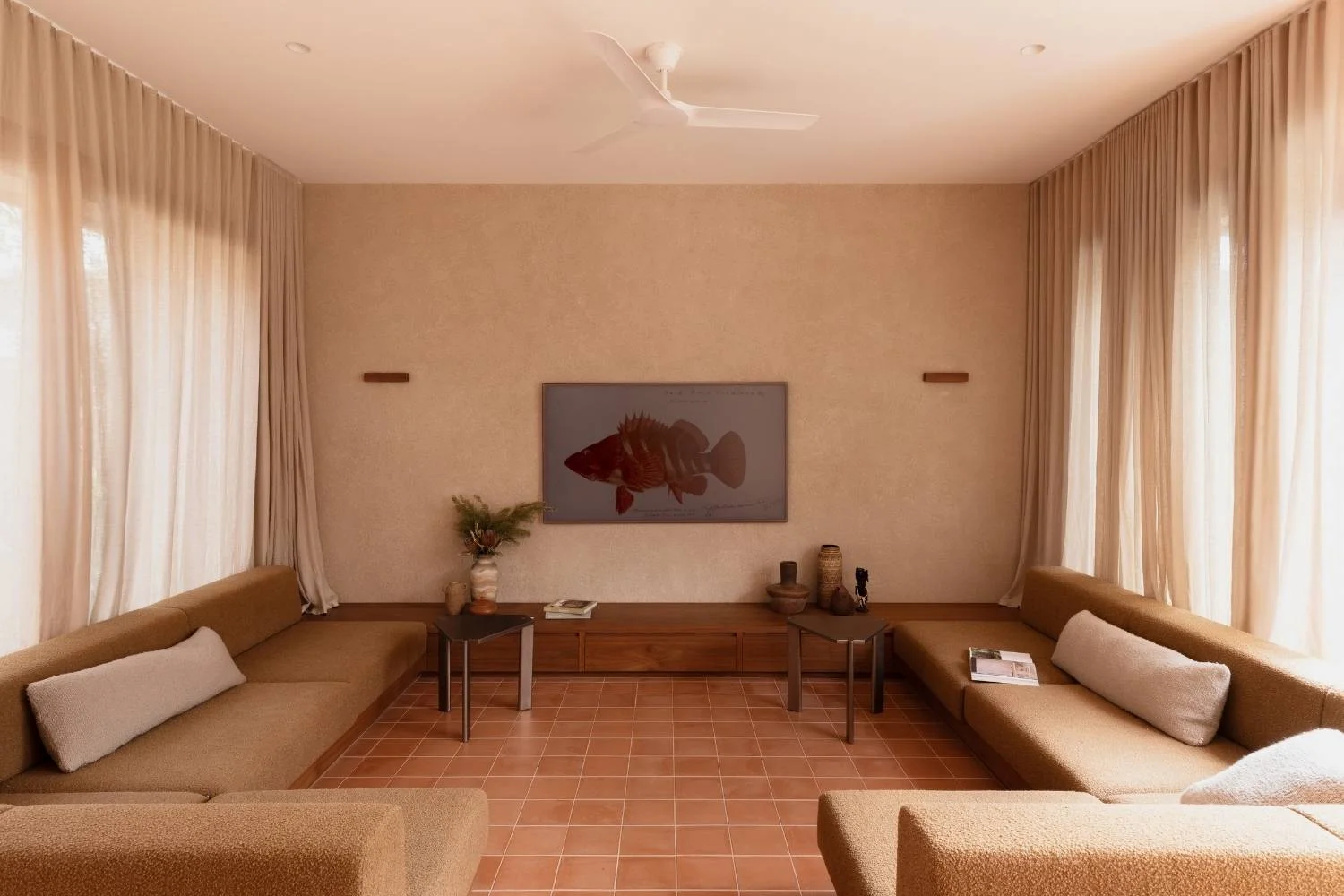
Formerly referred to as spatial design, interior architecture has evolved into a recognised discipline in its own right. Today, it stands as a formal profession, with practitioners completing specialised study and complying with legal standards, much like architects and interior designers.
Spatial Planning and Flow
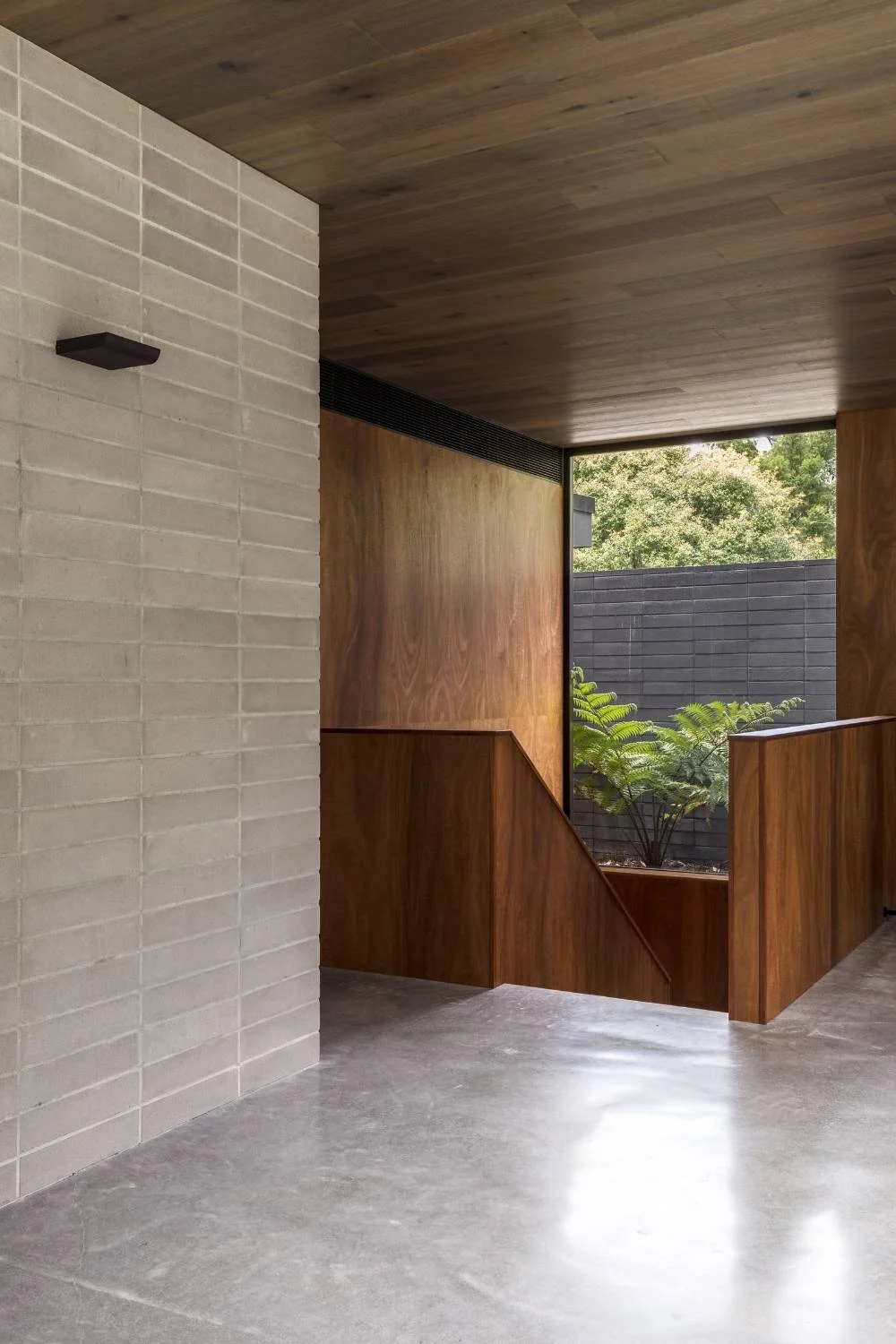
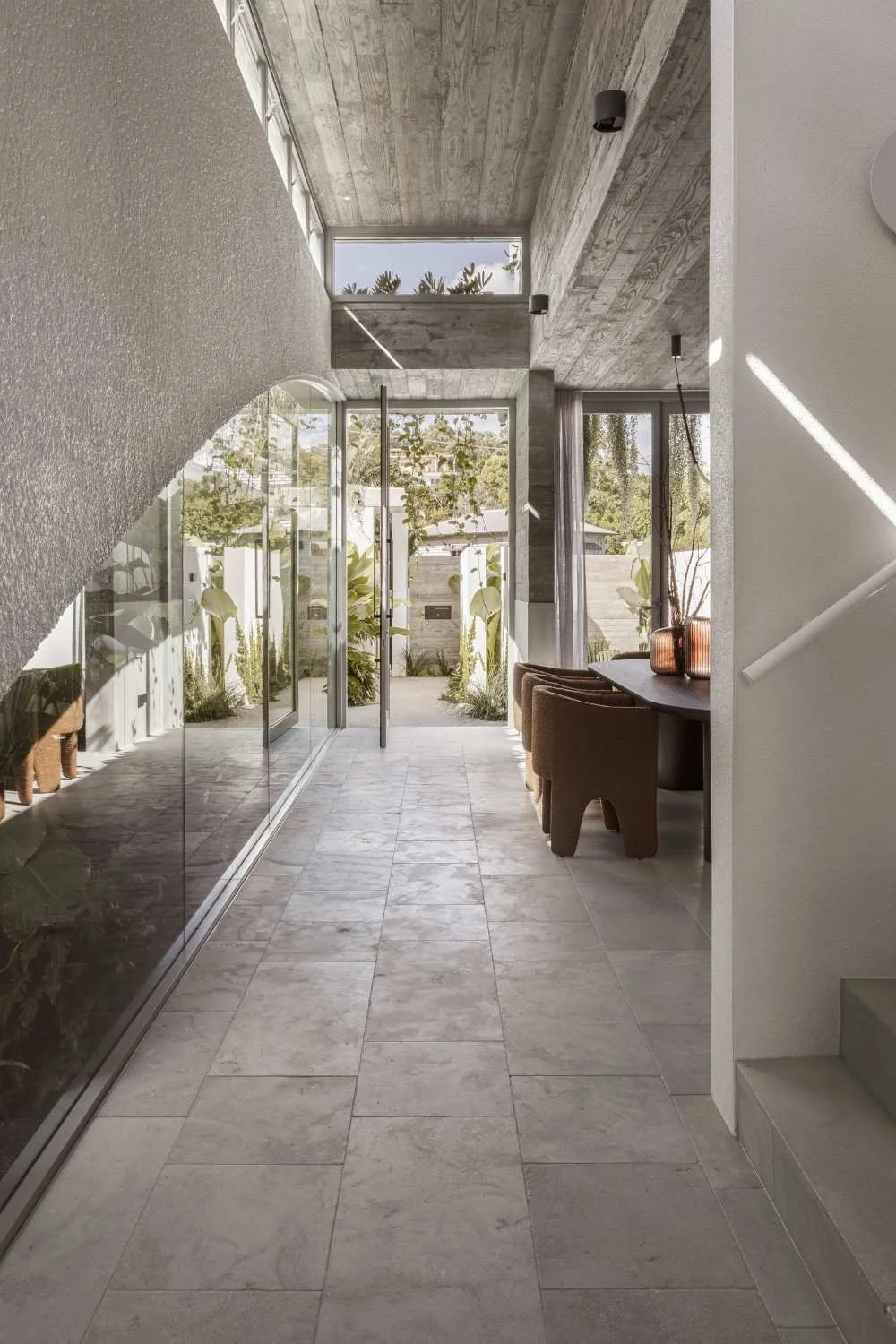
Spatial flow is central to interior architecture, shaping seamless, intuitive movement through a space that supports everyday living.
Effective spatial planning considers how people move, interact, and transition between areas within a home.
A key element of this process is zoning, which involves dividing the design into functional areas based on purpose. From bedrooms and bathrooms to laundries and living areas, every building benefits from clearly defined zones. Whether these zones flow together in an open-plan layout or remain within enclosed rooms depends on how a home is designed to function and be lived in.
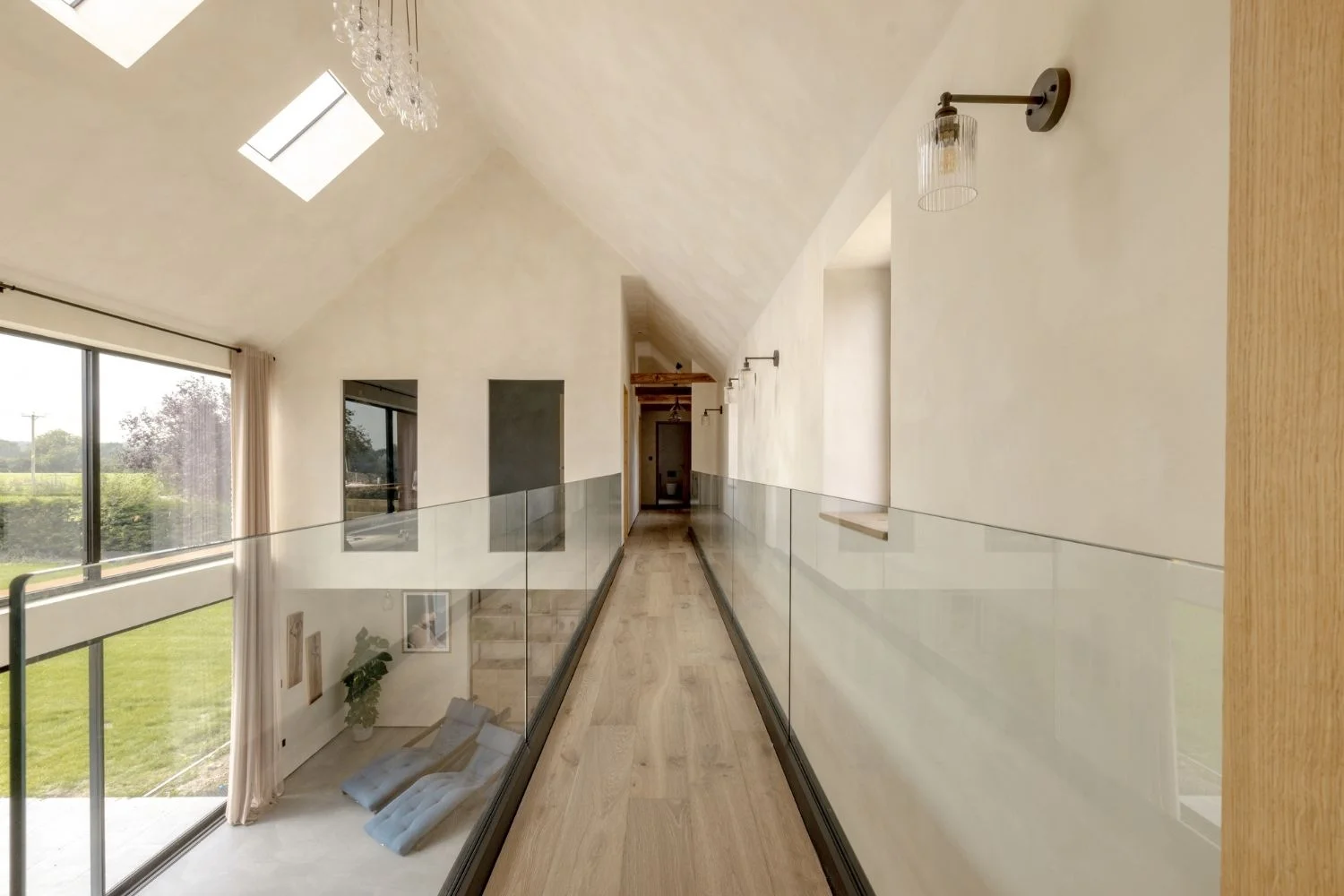
Circulation refers to the movement that occurs within a space, guiding how people travel between rooms. Well-considered spatial flow keeps pathways clear, well-proportioned, and free from obstruction by doors or furniture.
Built-in Elements
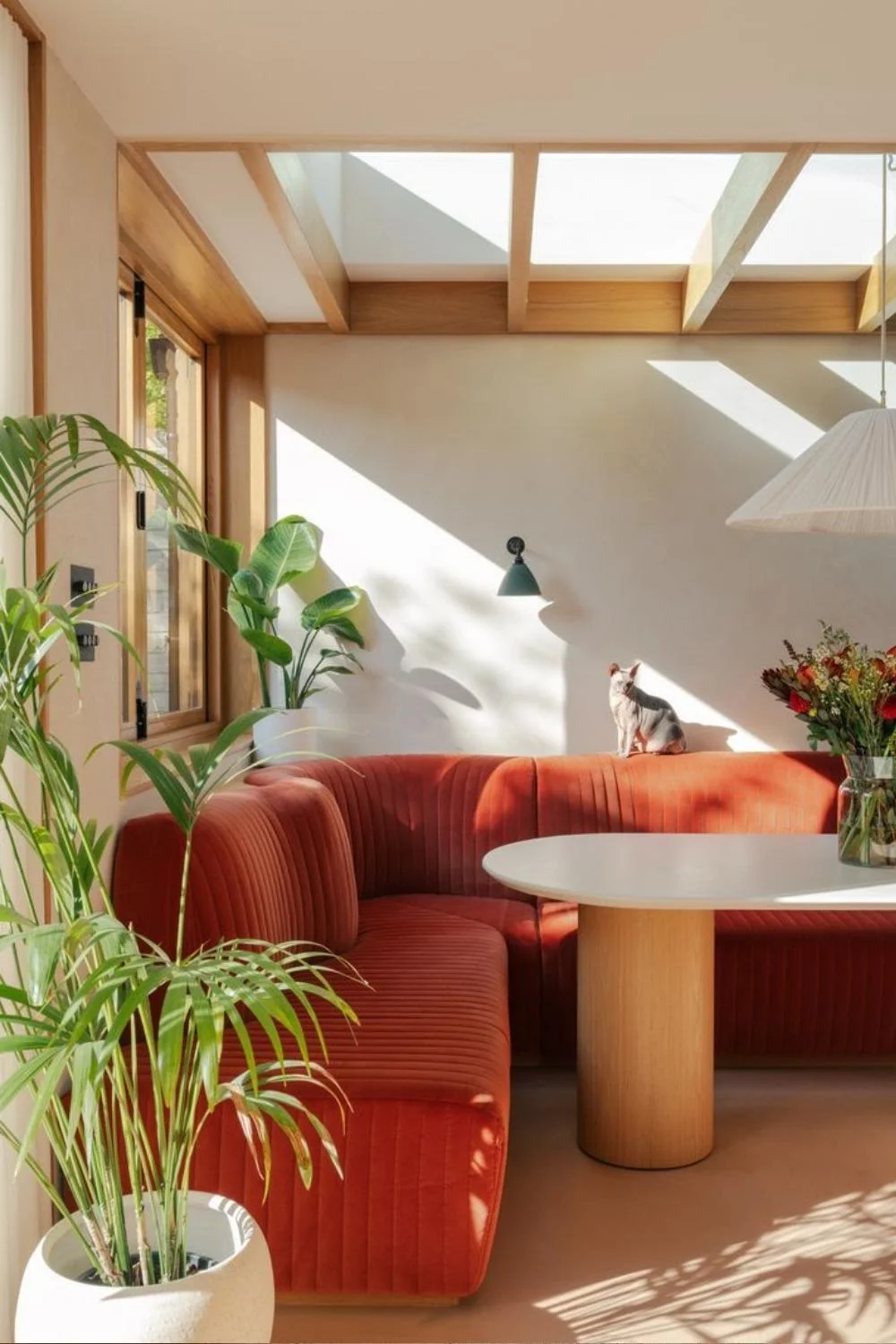
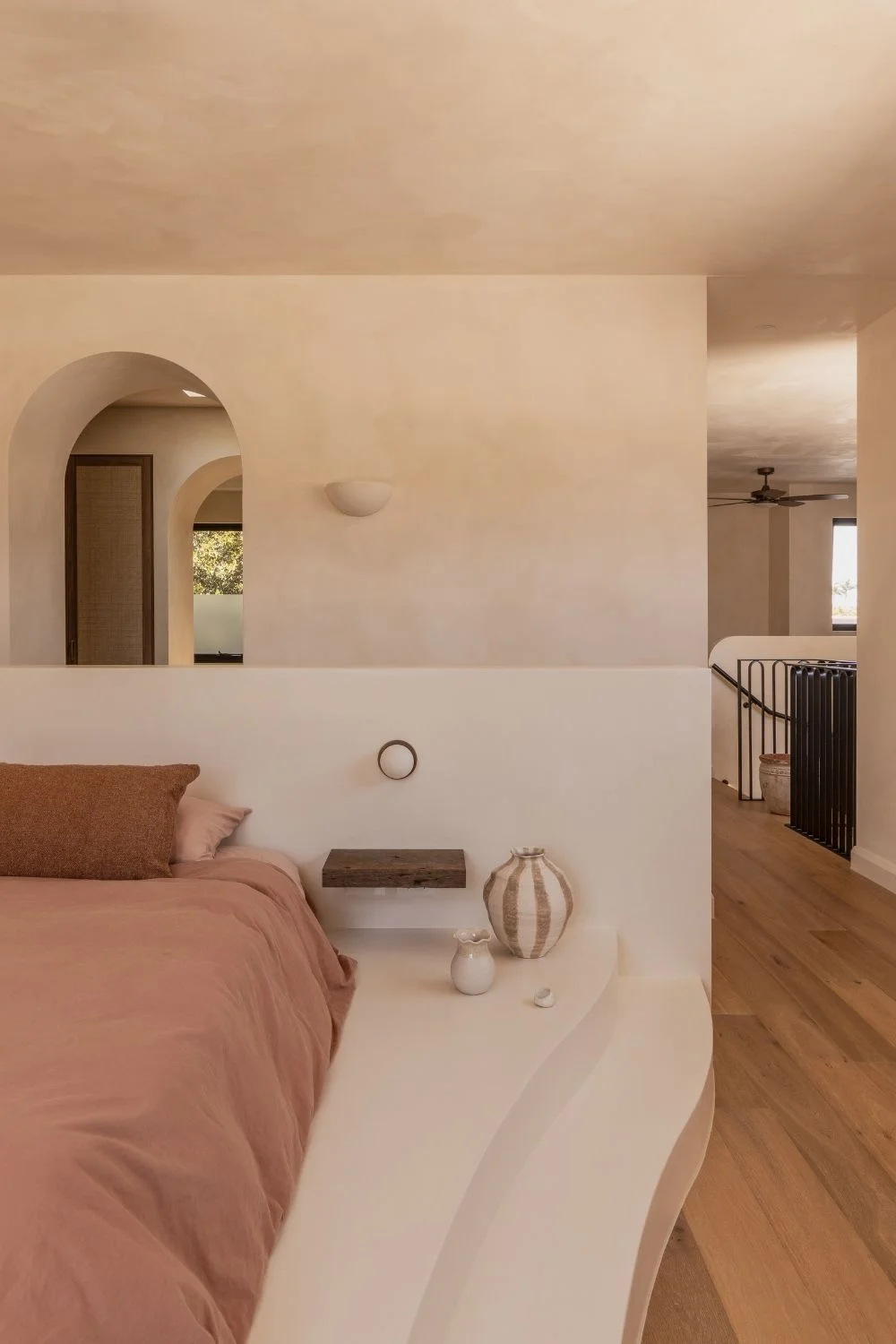
Built-in features play a key role in shaping a home’s design. From internal arches to sunken lounges, banquette seating, and bed bases, these elements are carefully incorporated into the structure to enhance both function and flow.
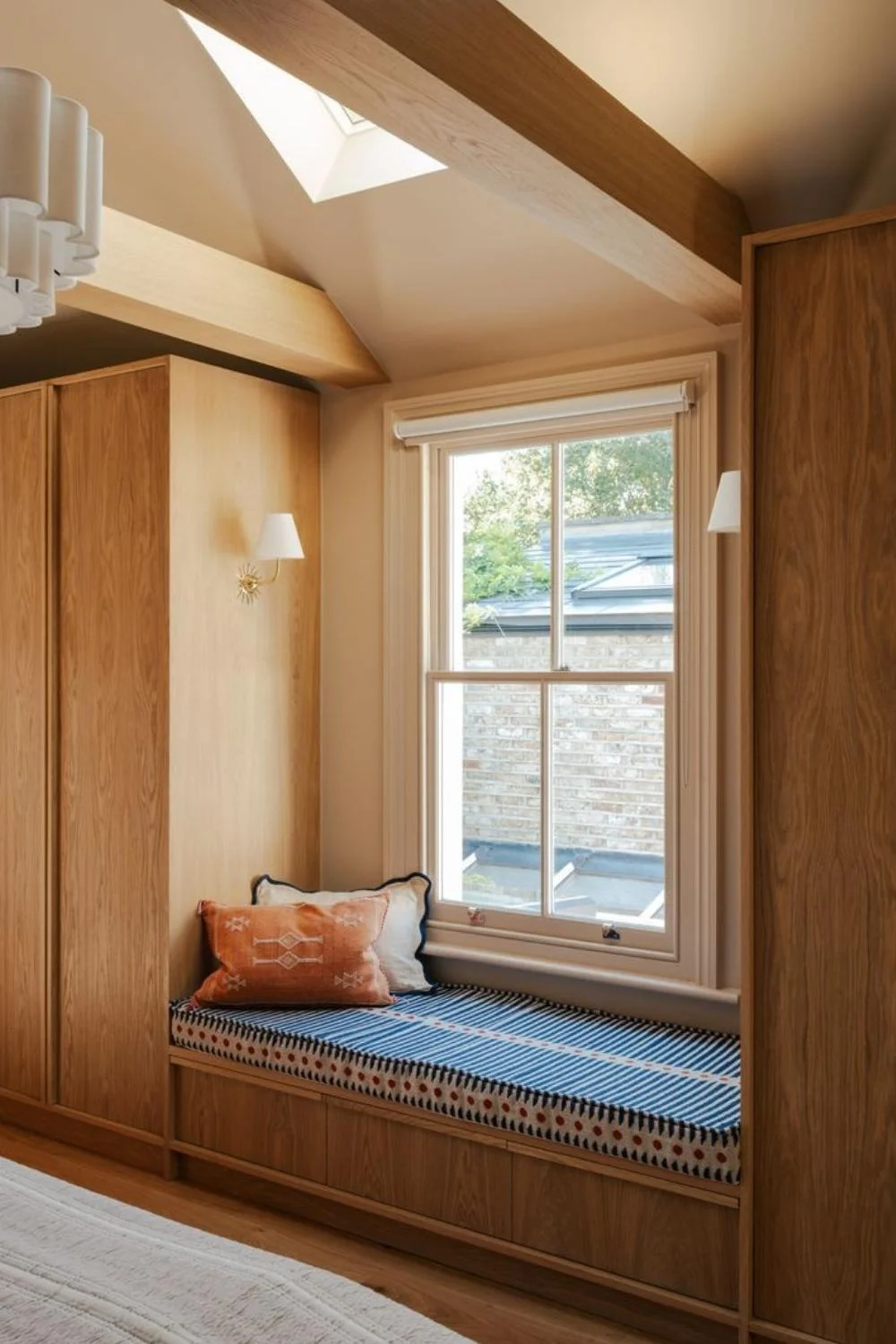
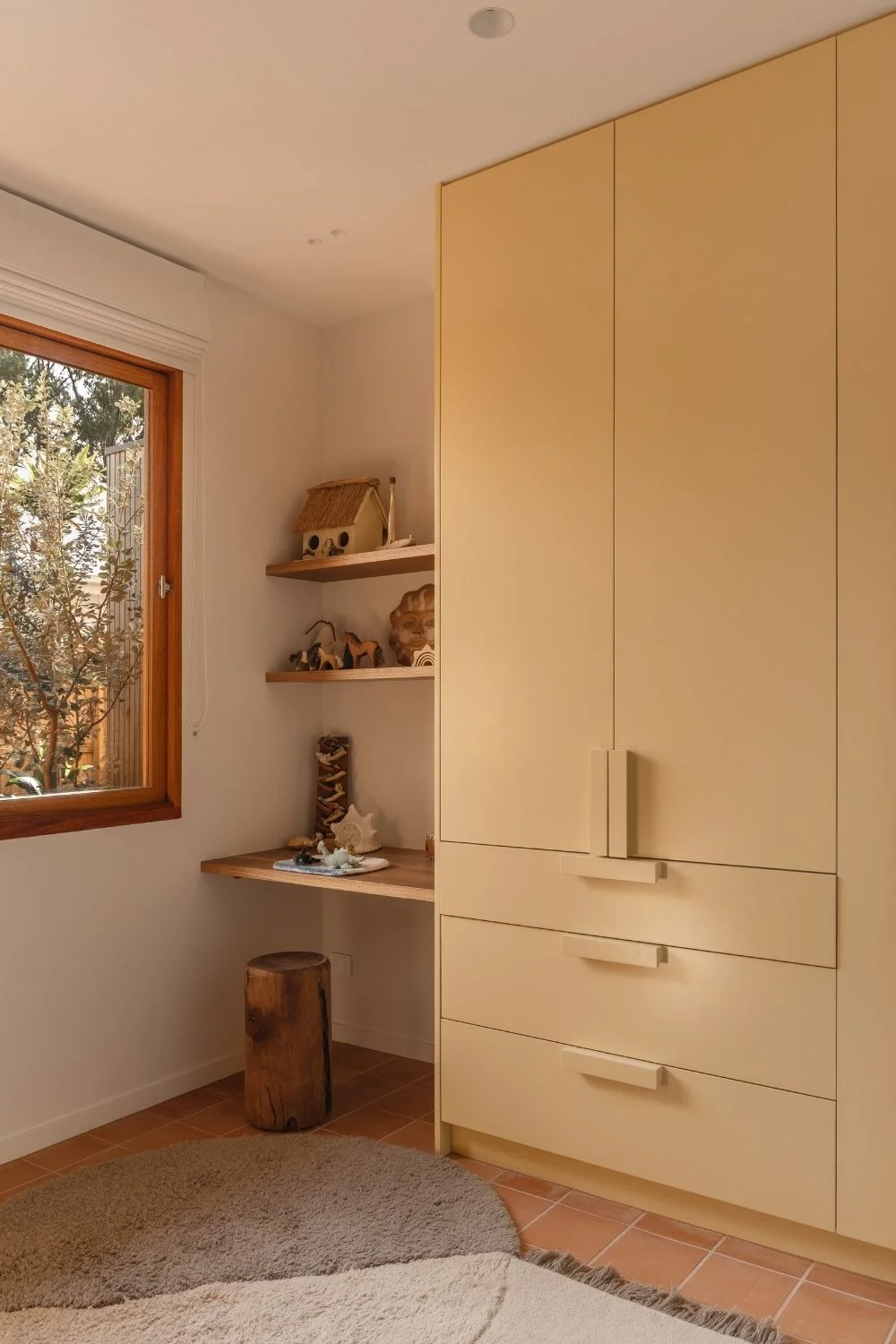
When planning the interior architecture of your home, consider elements you’re drawn to. Whether it’s a window seat, kitchen island, inset bathtub, or custom vanity, integrating these elements during the design phase creates a cohesive, distinctive character while minimising the need for additional furniture.
Scale and Proportion
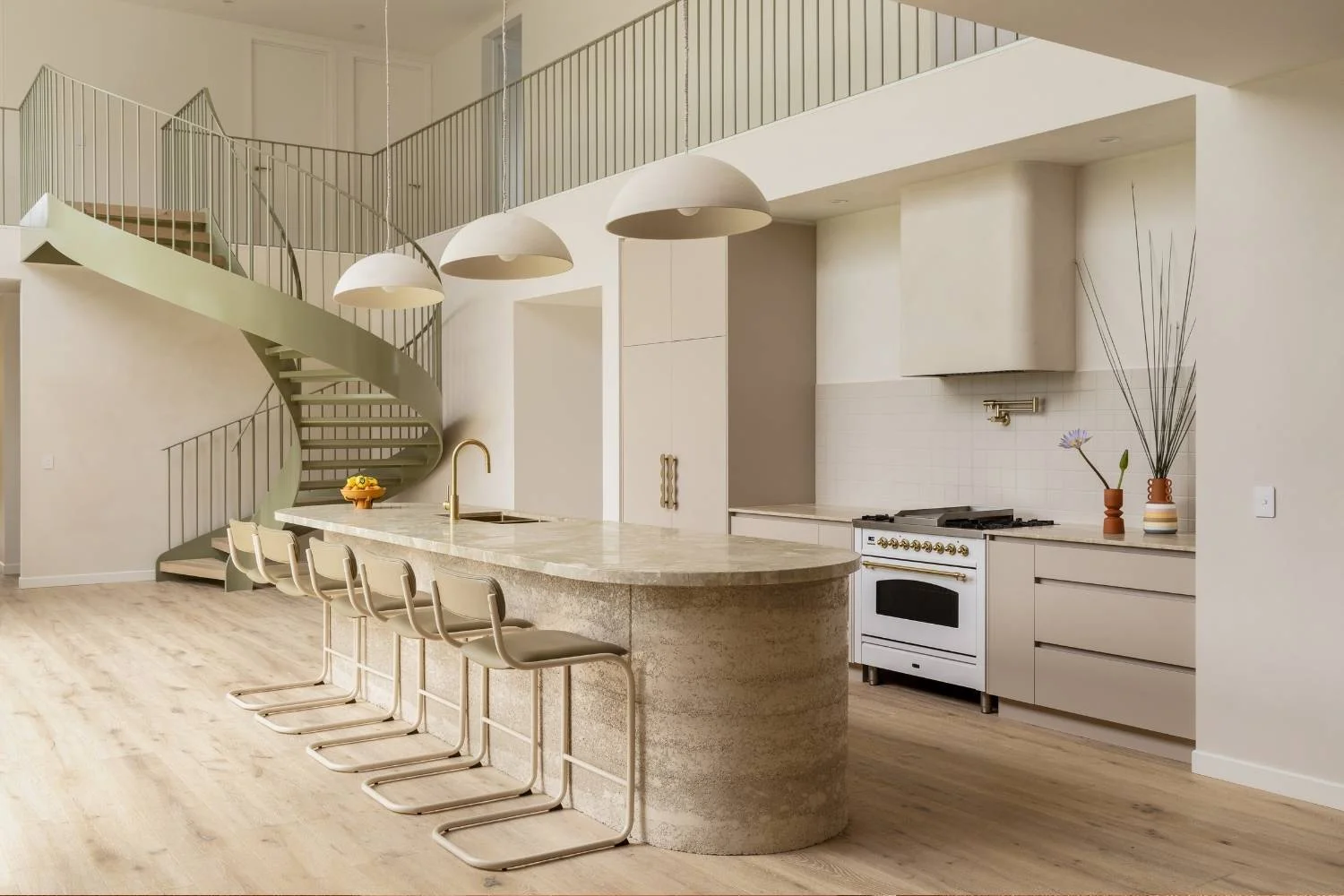
Scale plays a crucial role in interior architecture, ensuring design elements are proportioned appropriately to suit the space.
Overcrowding a small room or using undersized pieces in a large area can disrupt the continuity of flow. Soaring ceilings, high-set windows, double-height voids, and mezzanines are foundational ways to create a grand sense of scale.
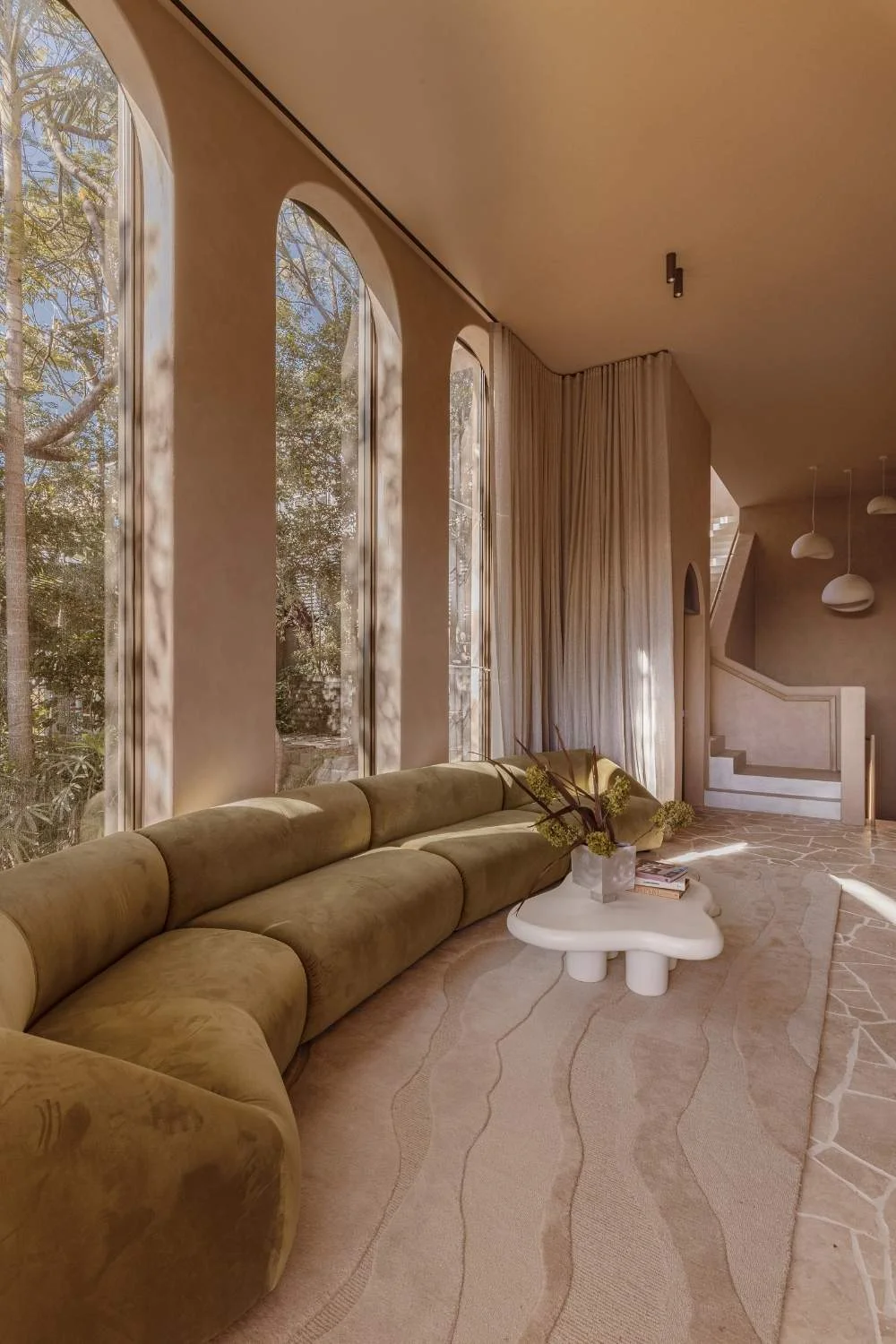
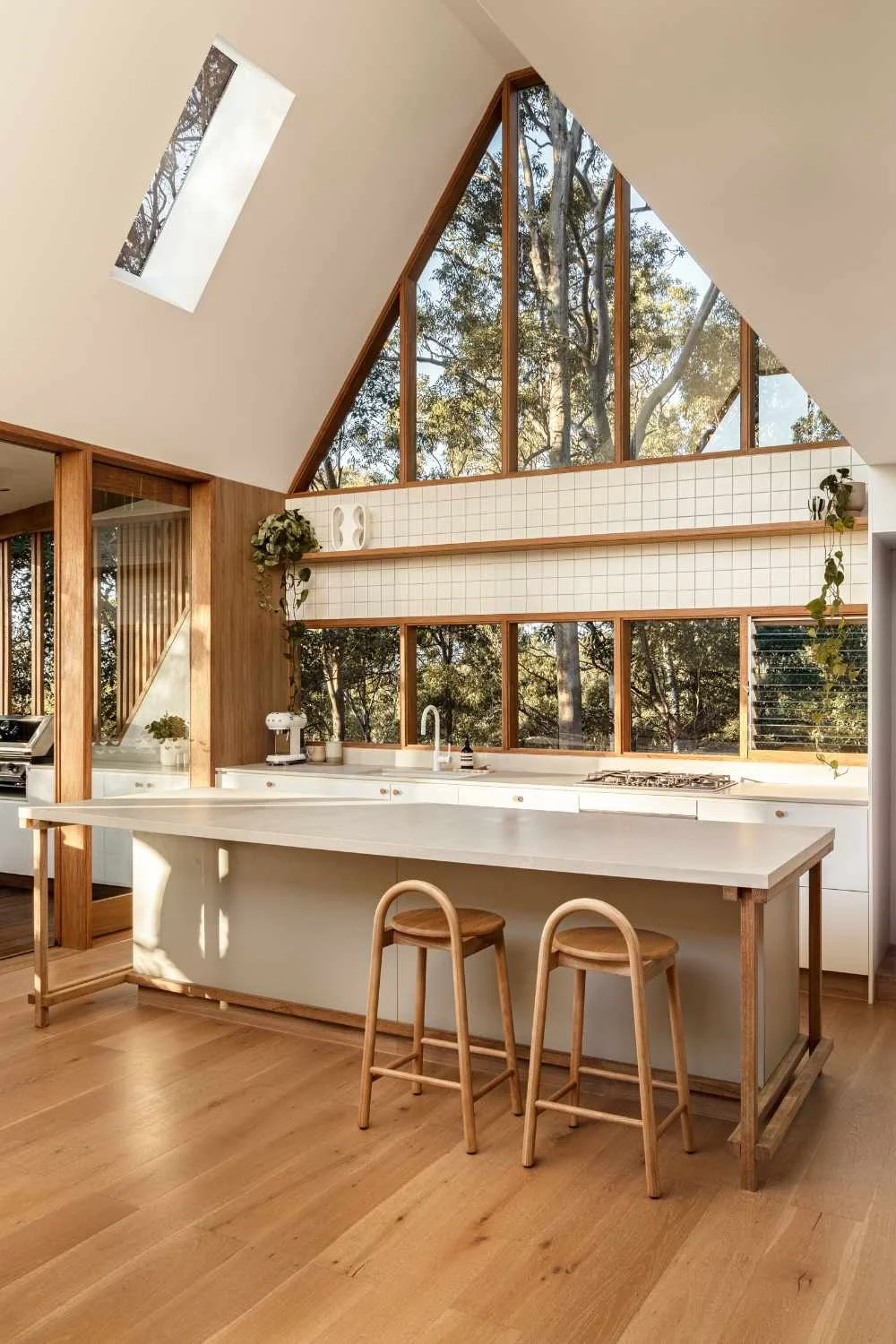
Focal points, such as large artwork, statement lighting, or oversized furniture, can also define scale within a room. By carefully considering lighting, colour, texture, and pattern, one space can incorporate contrasting scales, adding depth and visual interest.
The Significance of a Staircase
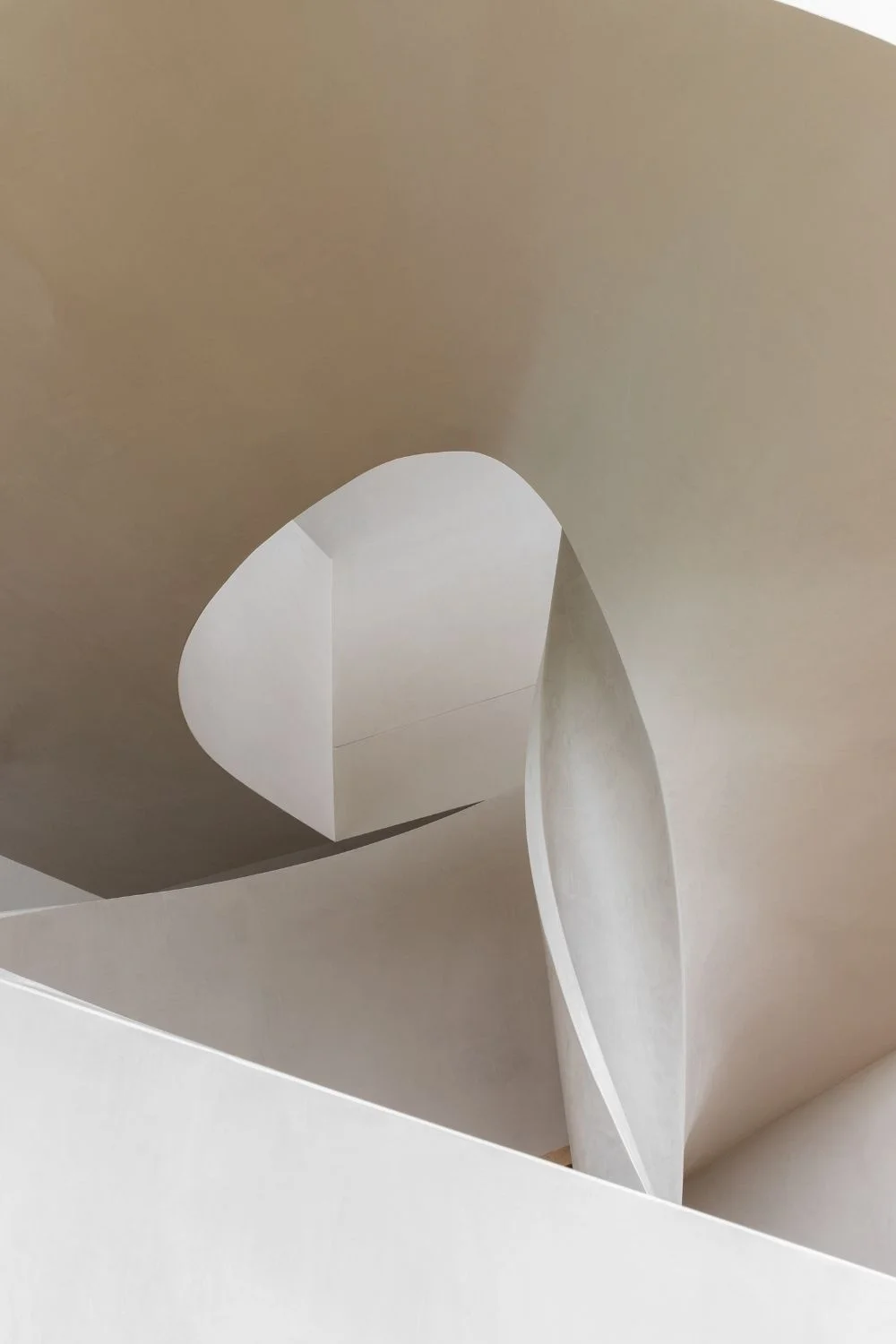
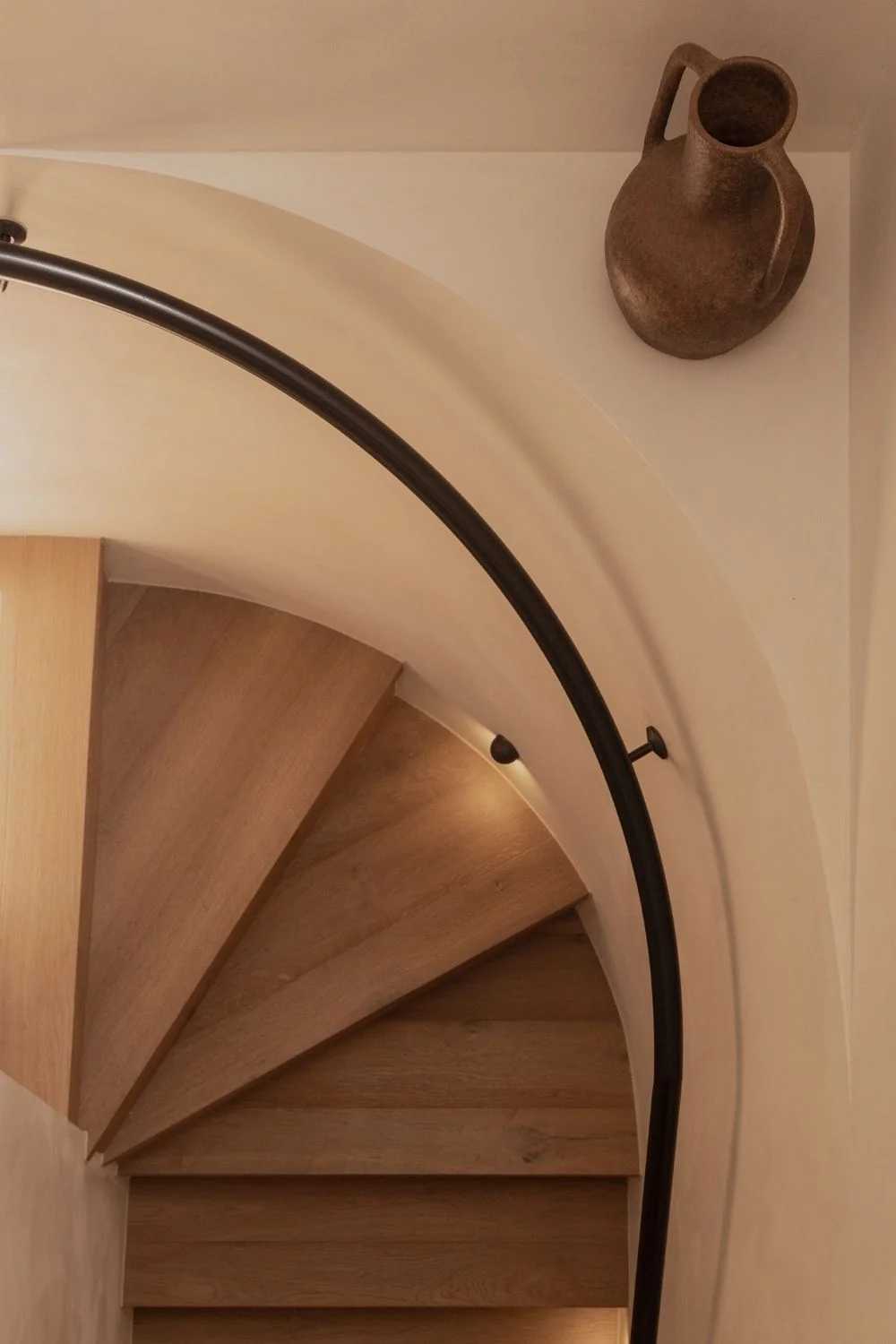
Within the home, staircases stand as a defining element of interior architecture, balancing function with sculptural form.
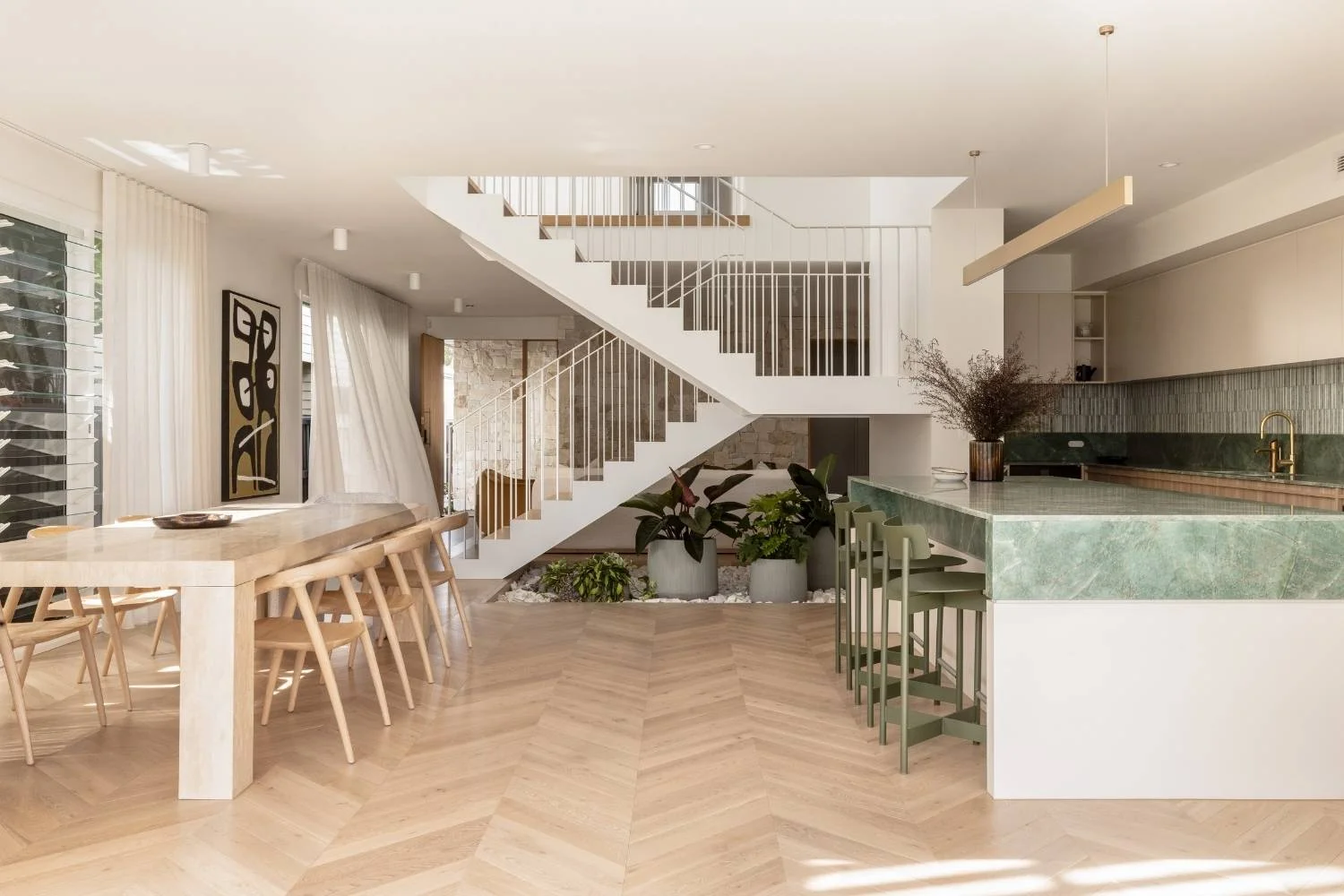
Once purely practical, they are now reimagined as sculptural statements that connect levels with intention. Sweeping designs, featuring floating steps, curved spirals, and sleek steel structures, blend form and function for a smooth journey between floors.
Living Layouts
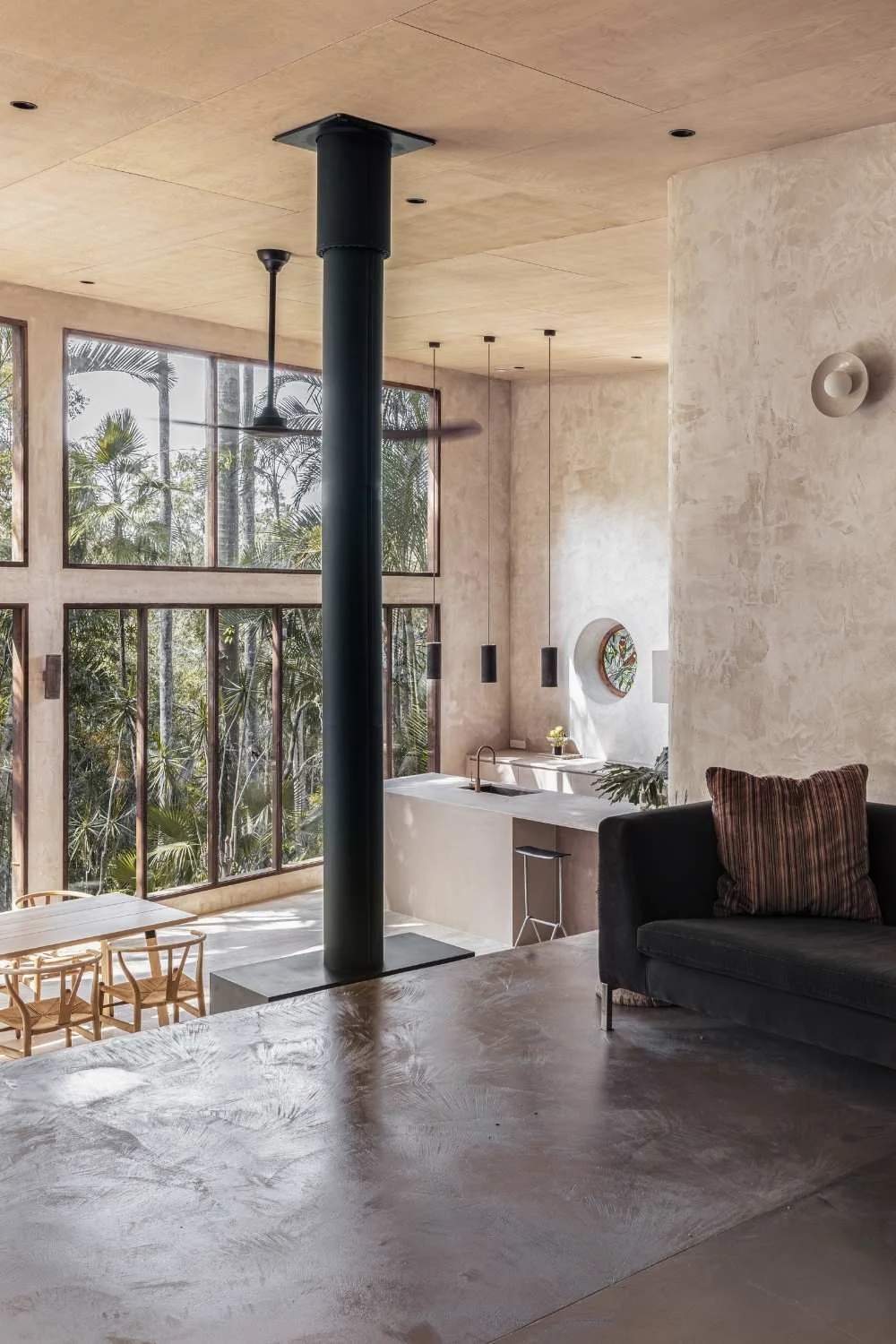
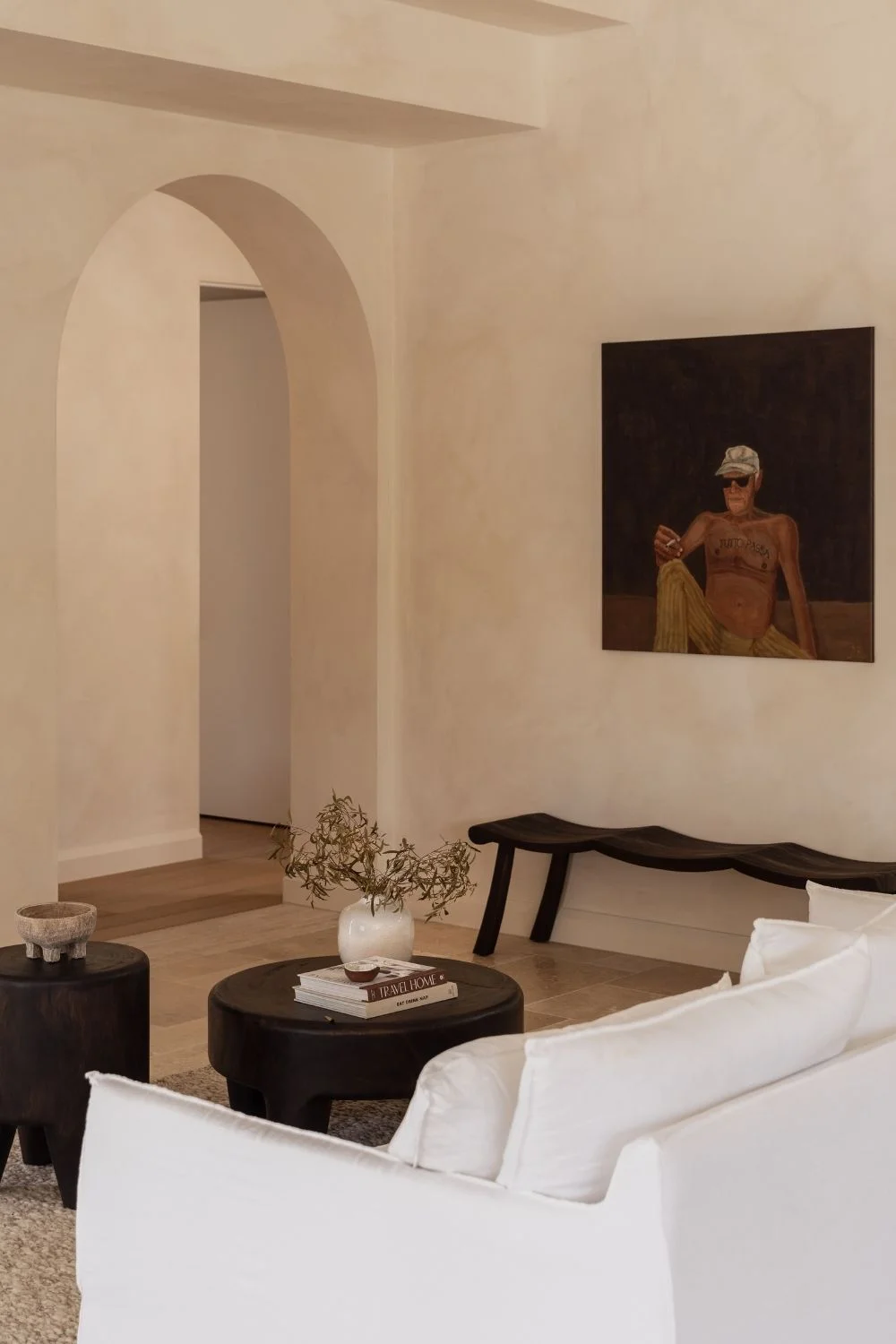
One area where interior architecture is clearly expressed is the living room. As the heart of the home, it can adopt either an open or closed approach. For entertainers and family life, open-plan living allows cooking, hosting, and relaxation to coexist within a single shared environment.
As the need for internal walls declined from the 1960s onwards, open-plan spaces have become increasingly central to interior architecture, shaping homes around connection and multifunctional use.
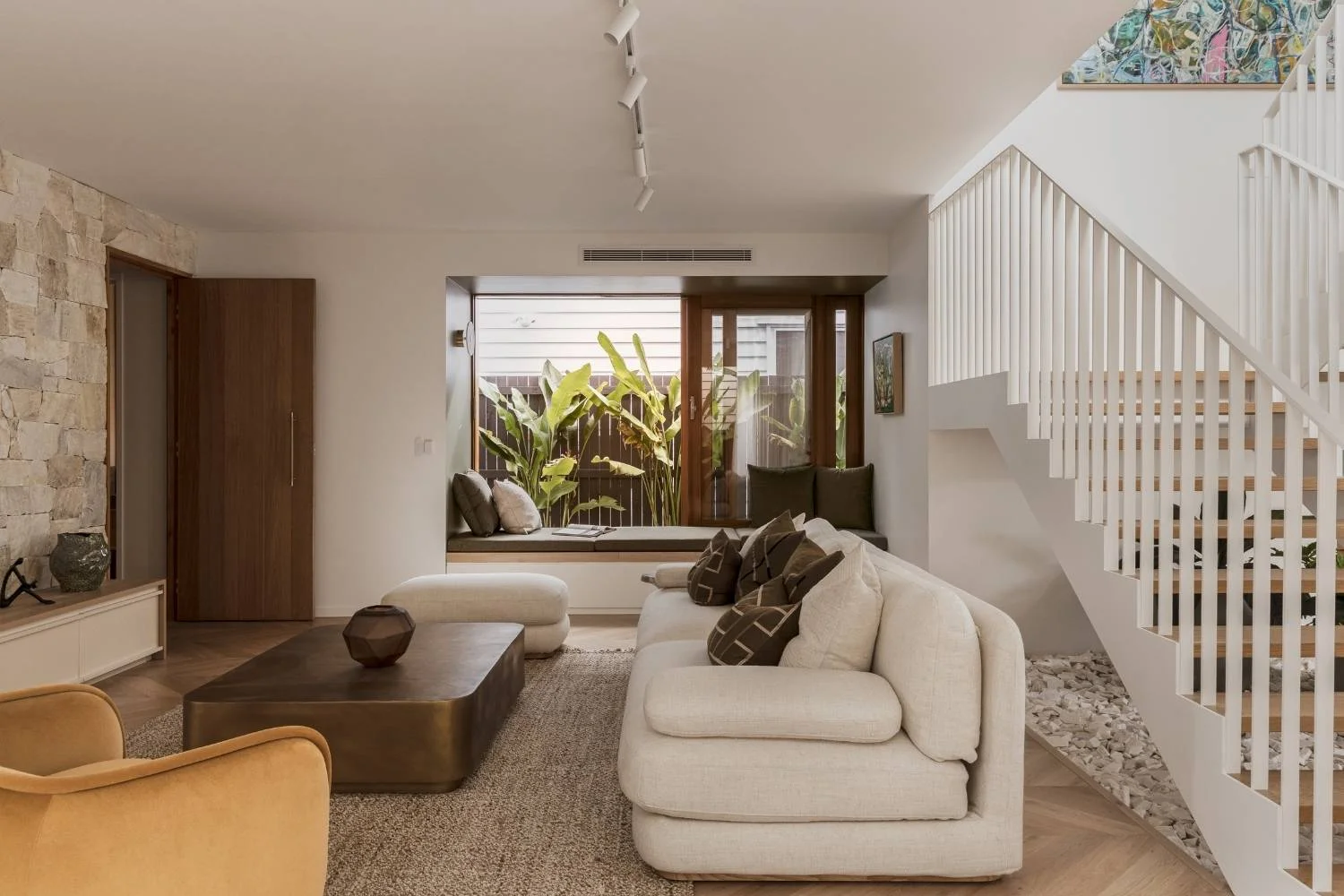
Modern New Zealand homes have embraced open-plan living, inspired by the country’s climate and lifestyle. These spaces prioritise openness while seamlessly connecting indoors and outdoors, with sliding doors and large windows allowing homes to open up and engage with their natural surroundings.
Bathroom
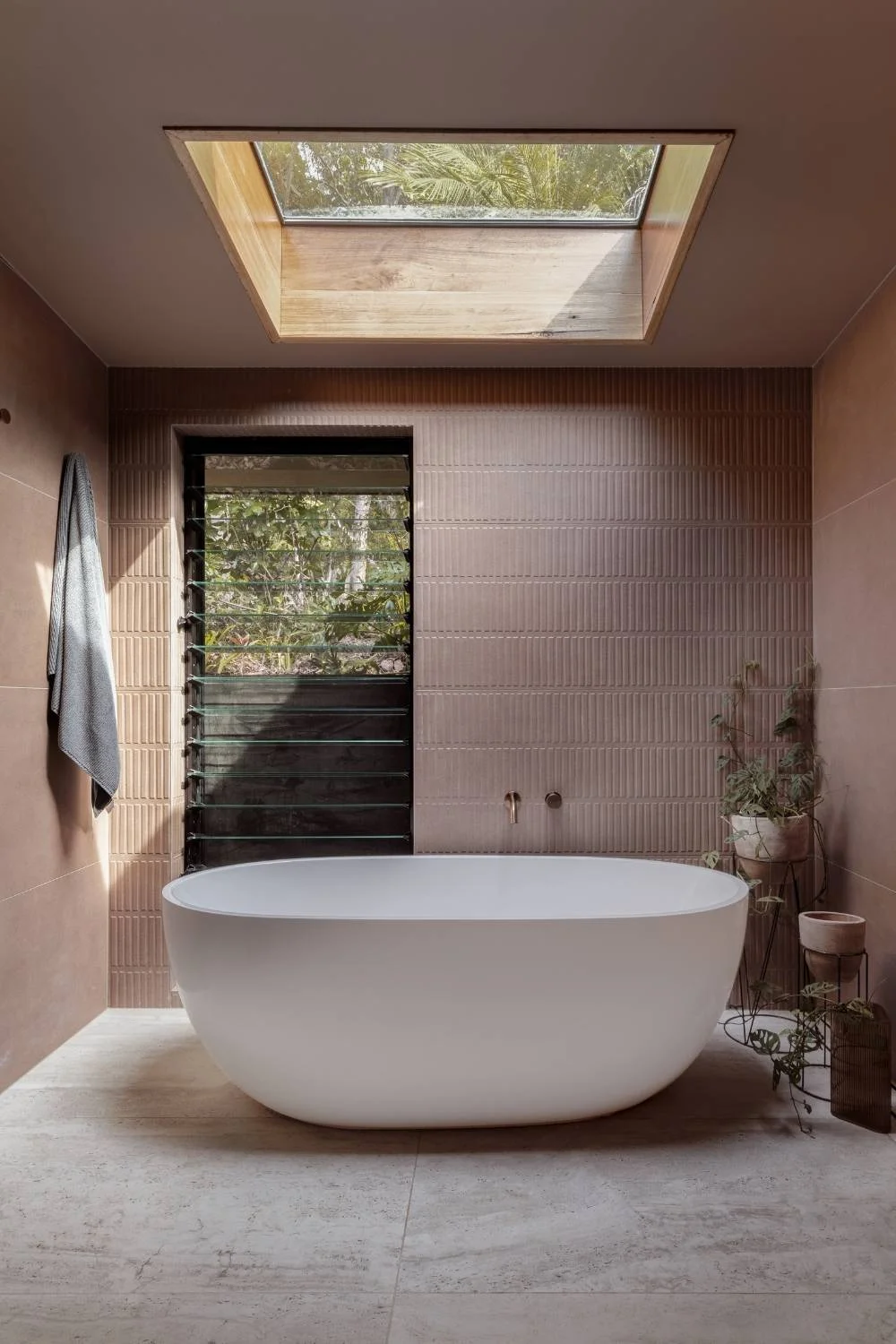
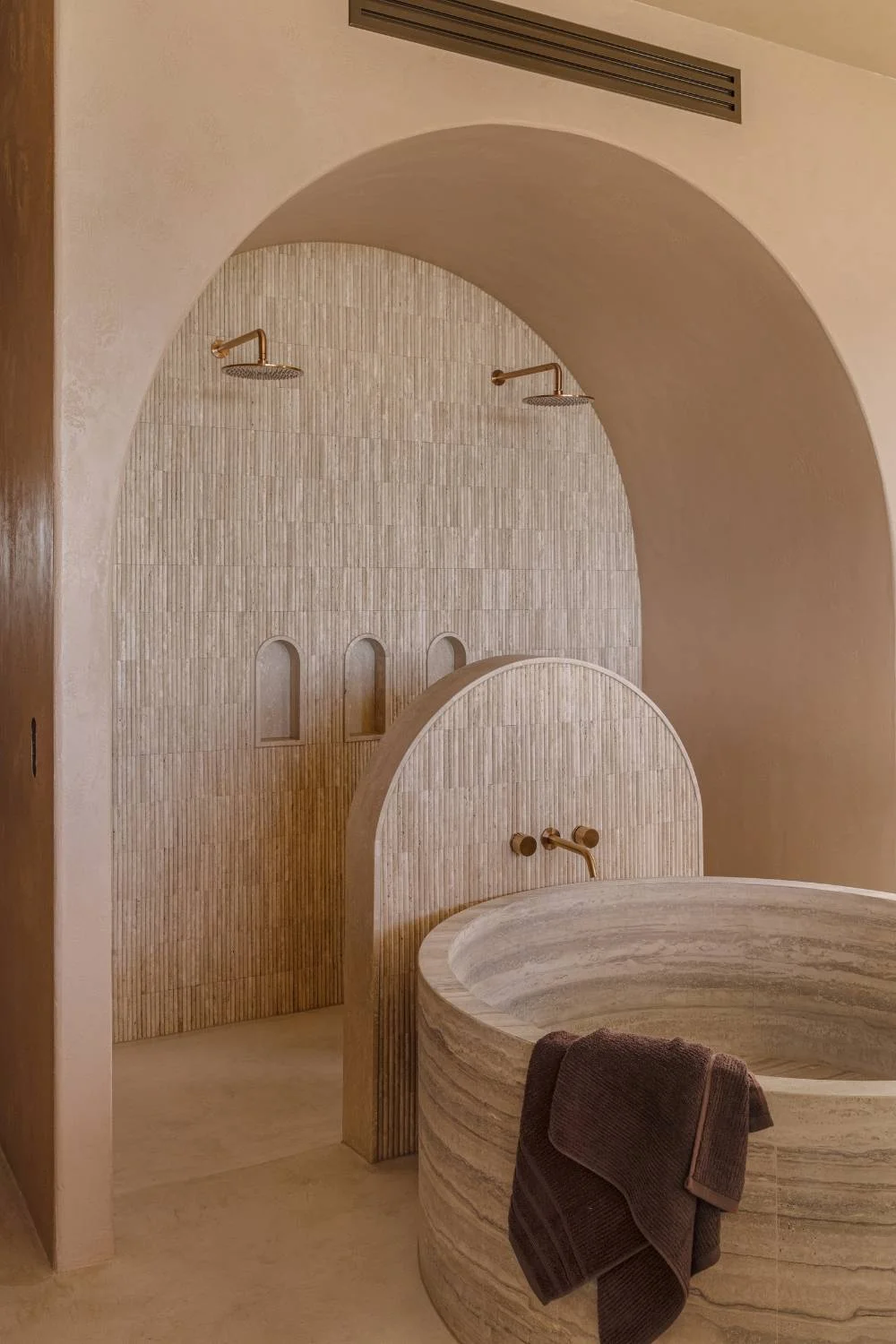
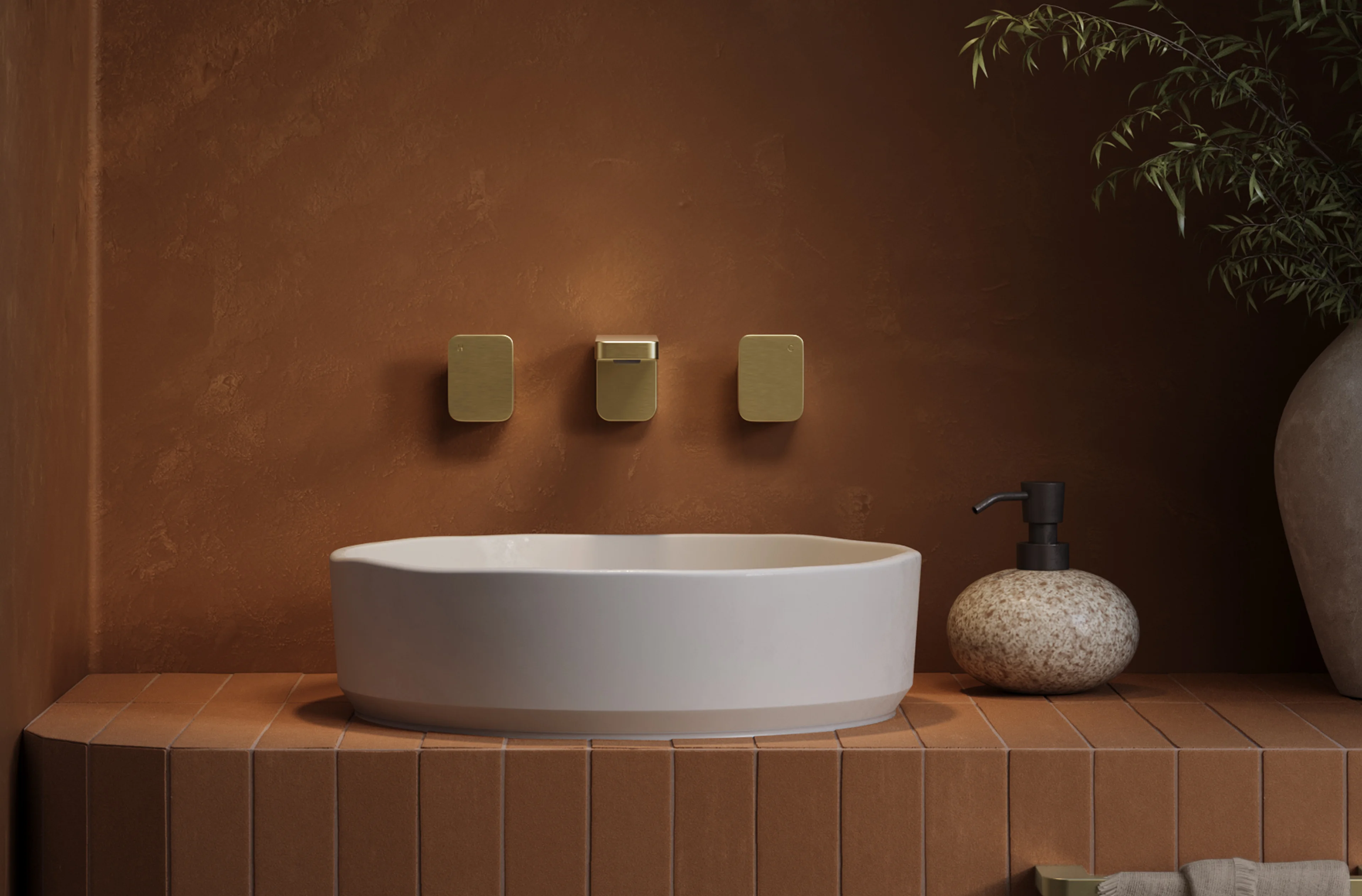
Bathrooms are spaces for bold design statements and intentional architectural planning. A well-considered layout from the beginning ensures plumbing and structural elements align seamlessly.
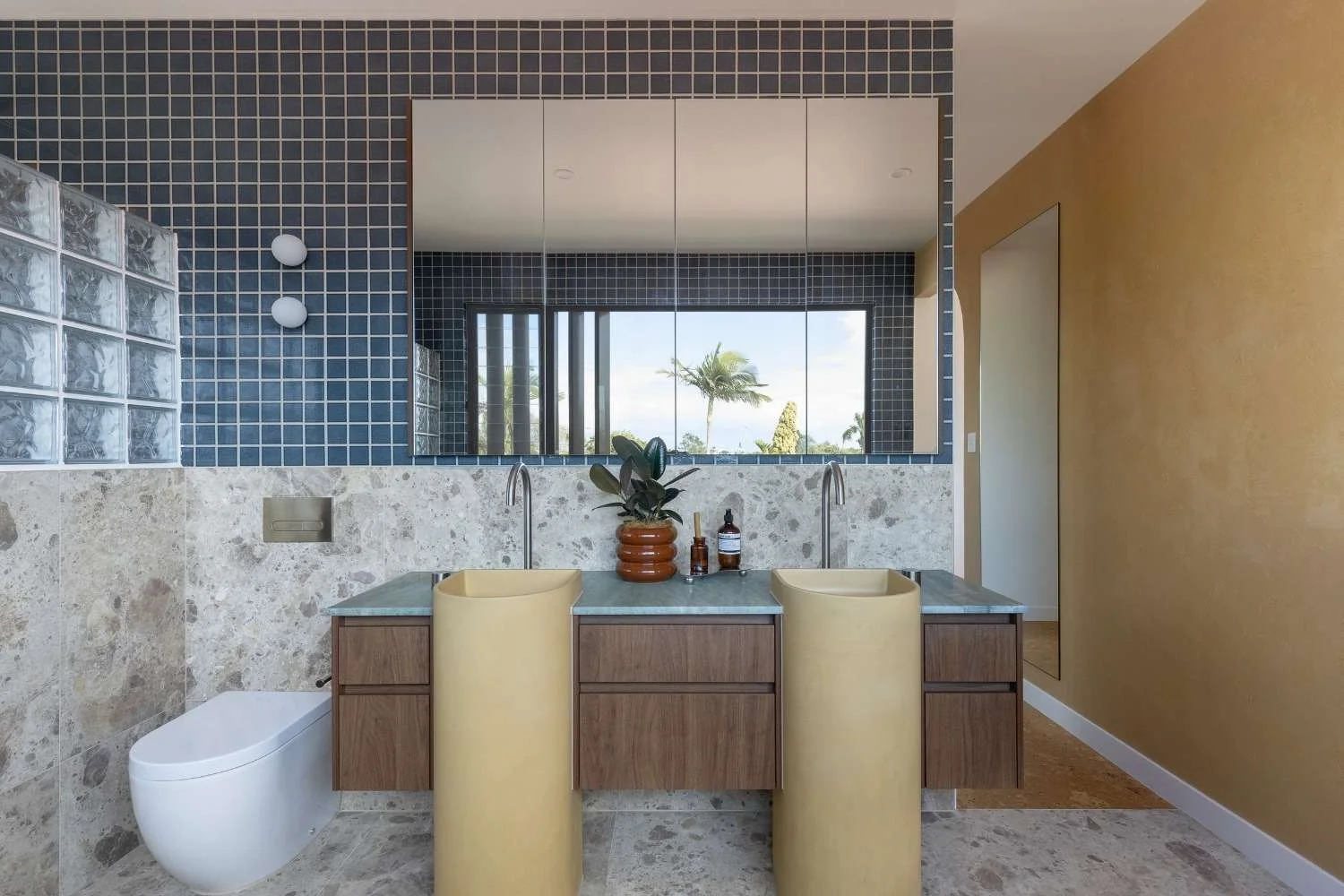
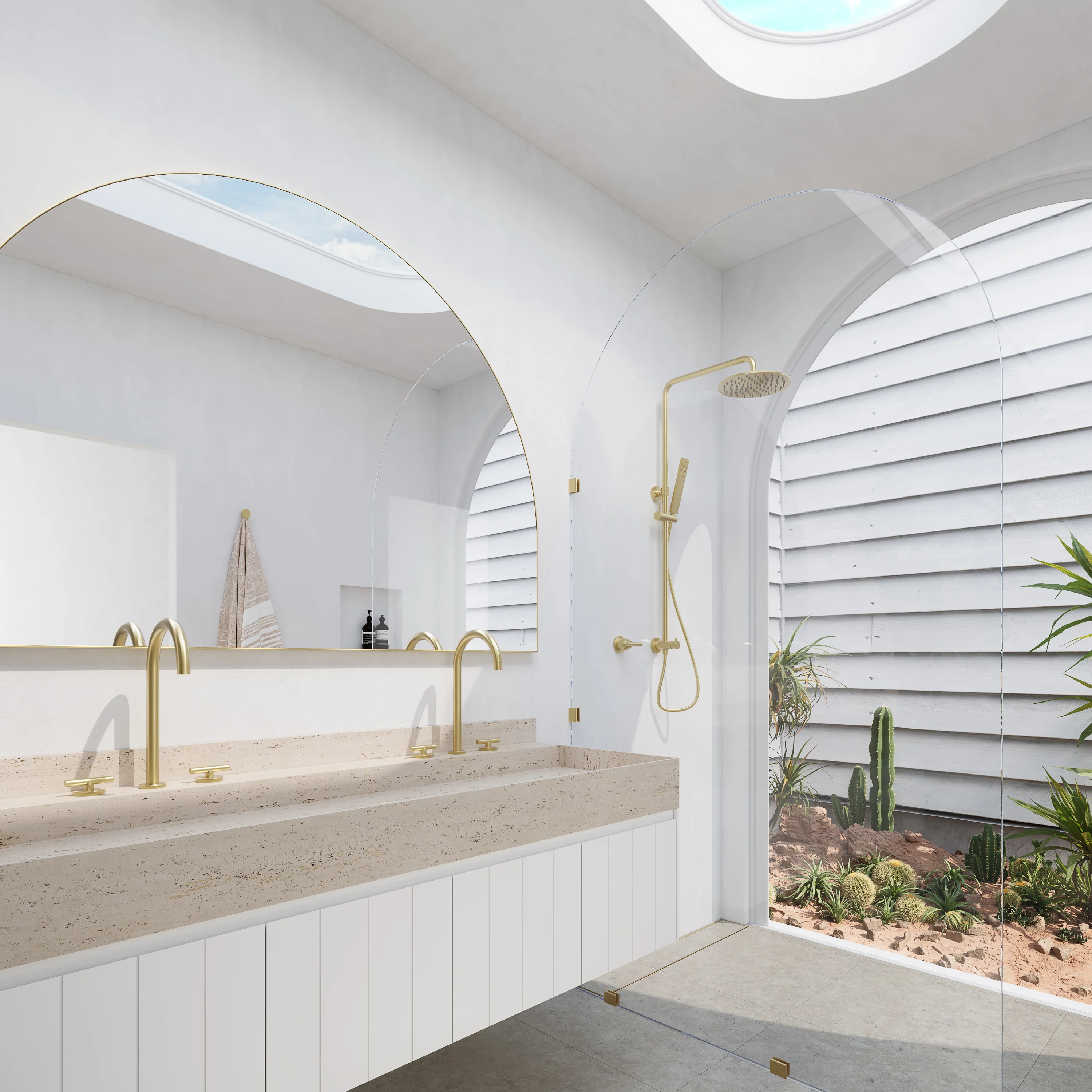
Contemporary bathrooms now showcase just how far interior architecture can go, creating minimal, built-in forms that feel intrinsic to a home’s structure. From flowing curves to custom concrete walls, bathrooms have become spaces for exploration and inspiration, pushing the boundaries of design.
Indoor-Outdoor Balance
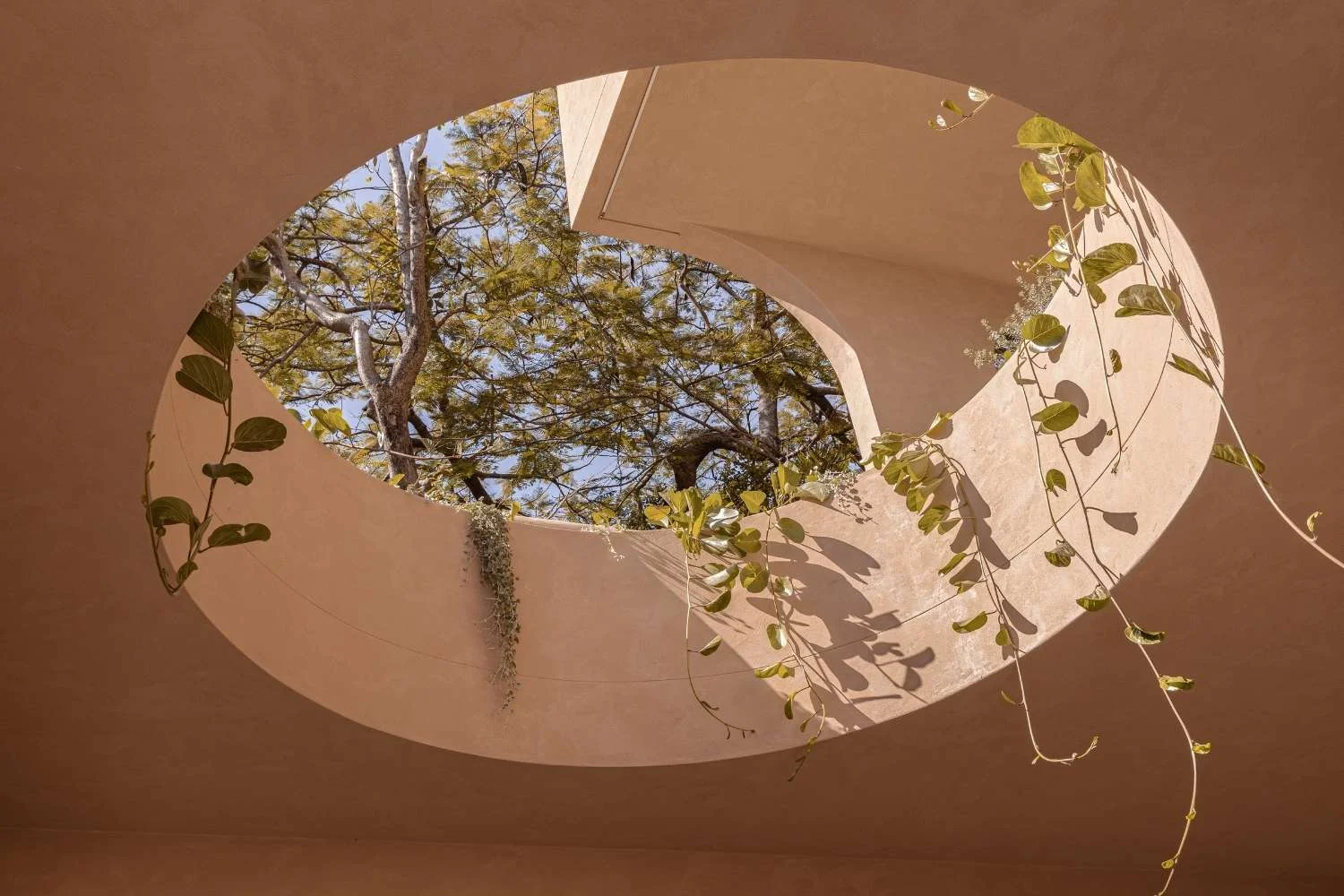
Bringing the outdoors in has become a hallmark of modern design, offering both sustainability and a sense of mindfulness, calm, and connection to nature. Today, spaces are thoughtfully designed with attention to light, views, and a sense of openness.
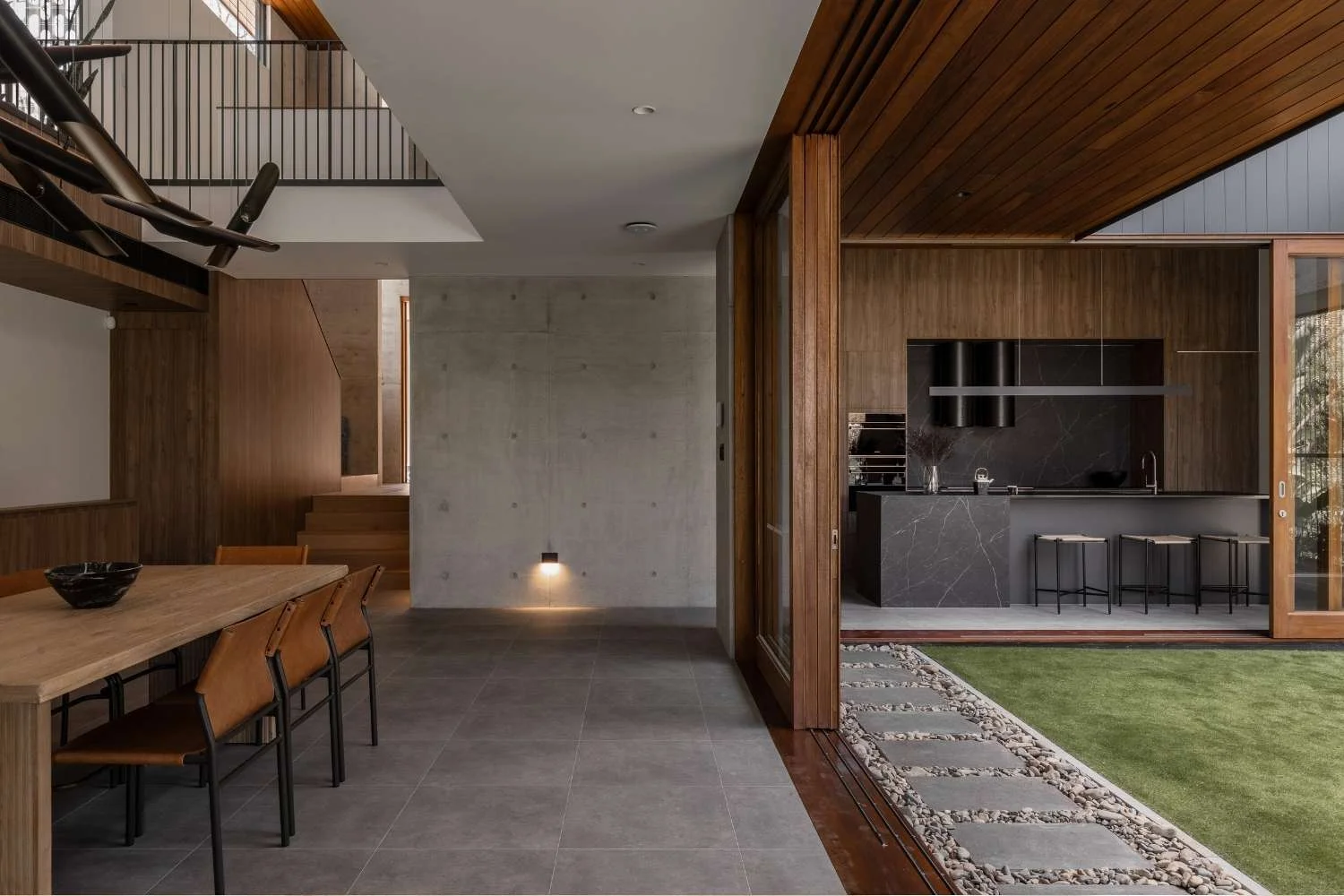
Interior architectural elements such as skylights, open voids, arches, alfresco zones, indoor-outdoor transitions, and internal gardens work together to merge the natural world with the built environment.
Elevate Your Interior Architecture With ABI
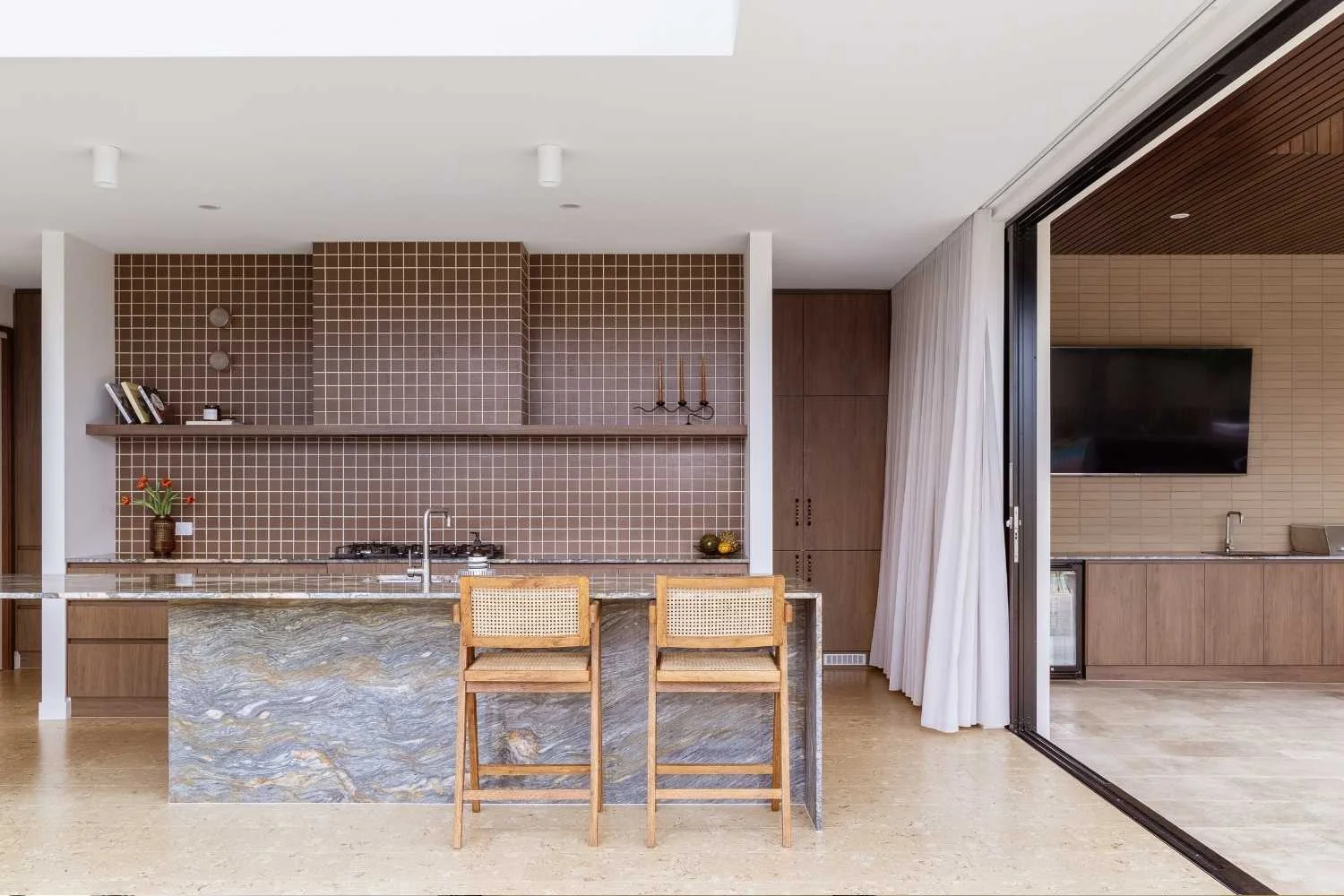
Through deliberate interior design, interior architecture is fully realised. Fixtures and fittings combine function and style, defining the ambience and personality of a space.
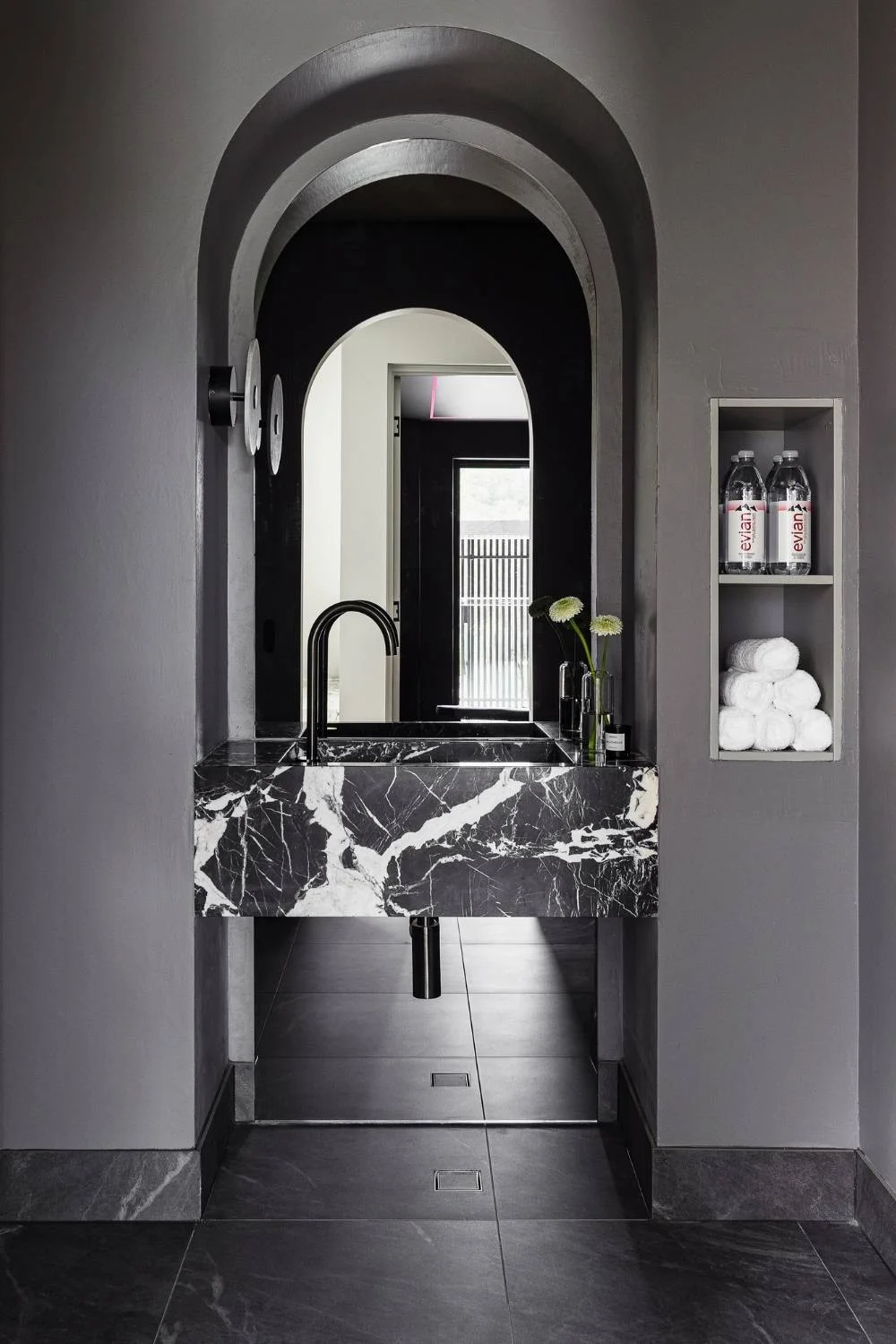
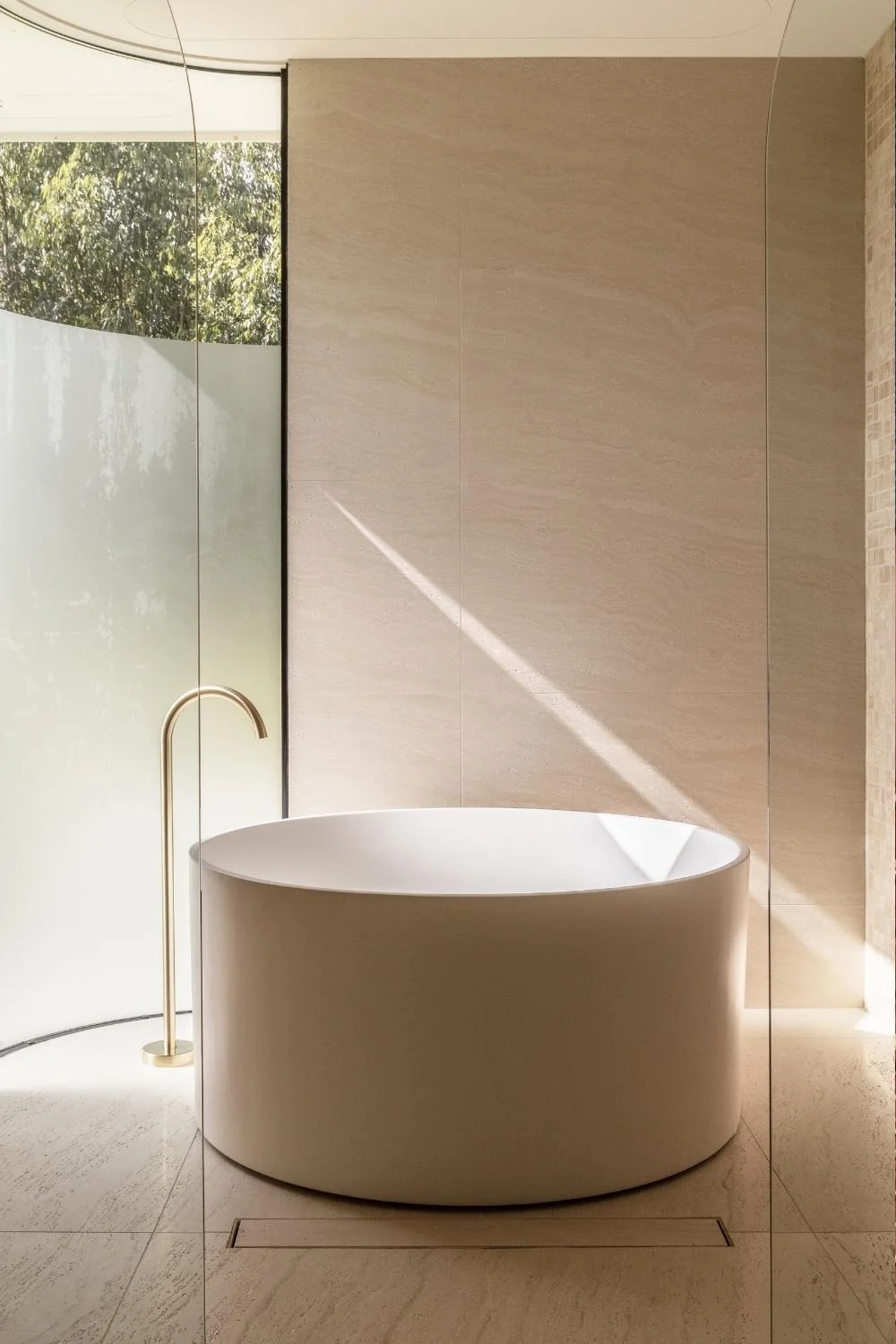
Celebrating texture, depth, and warmth, our range offers considered options to introduce contrast and visual hierarchy to your home's interior architecture.
Whether you’re enhancing a minimal modern space with the clean sheen of chrome or adding depth to a nostalgic renovation with the texture of antique, tumbled finishes, our ABI range can elevate the interior architecture of your home with subtle sophistication.
Inspired by this blog? Find more inspiration here:
Modern Rustic Interior Design: Your Guide to Achieving the Look