Our Range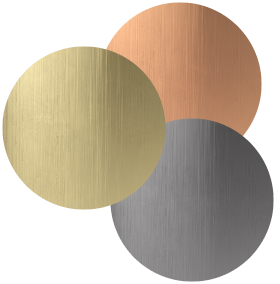












Top 6 Bathtub Tile Design Ideas in 2026
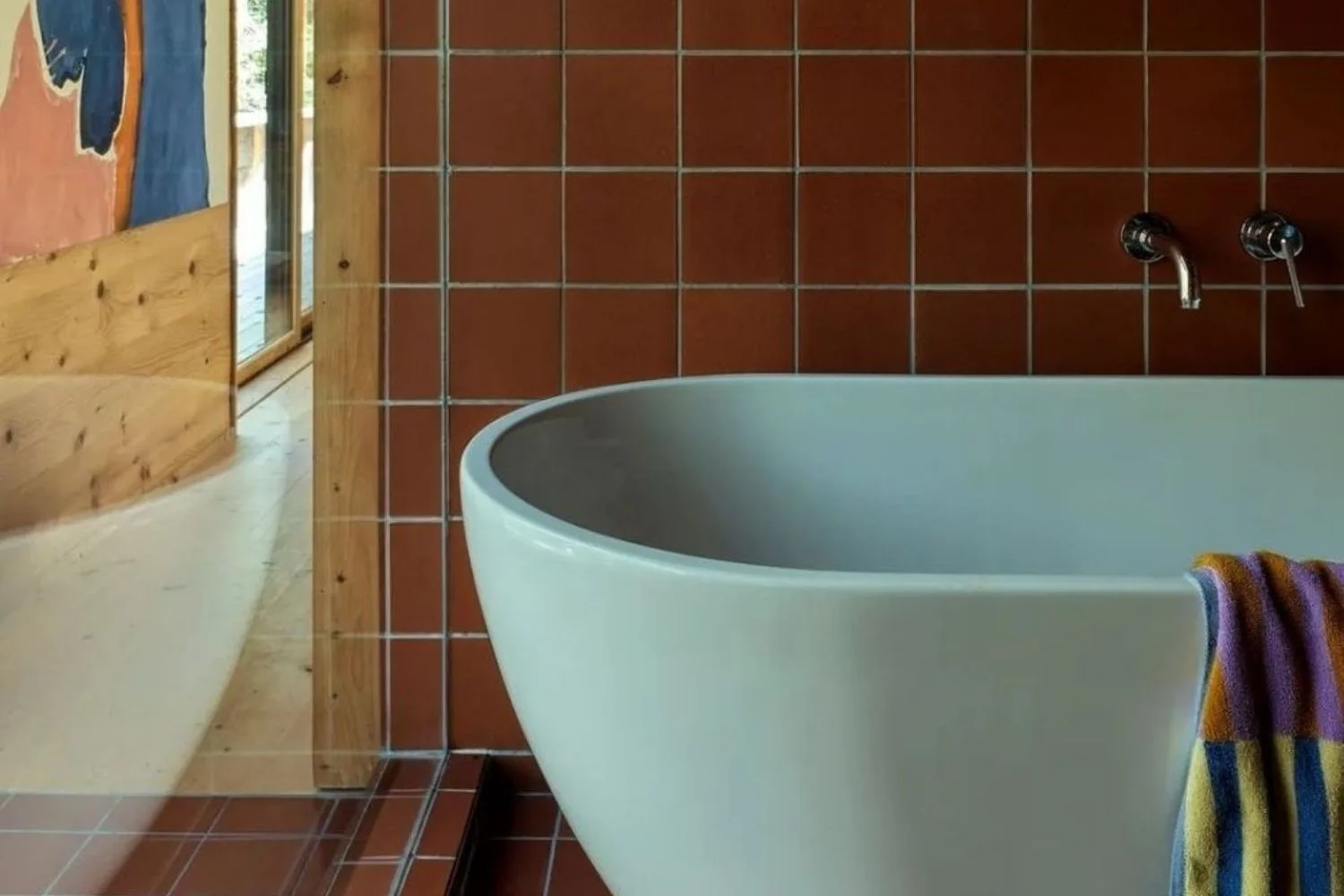
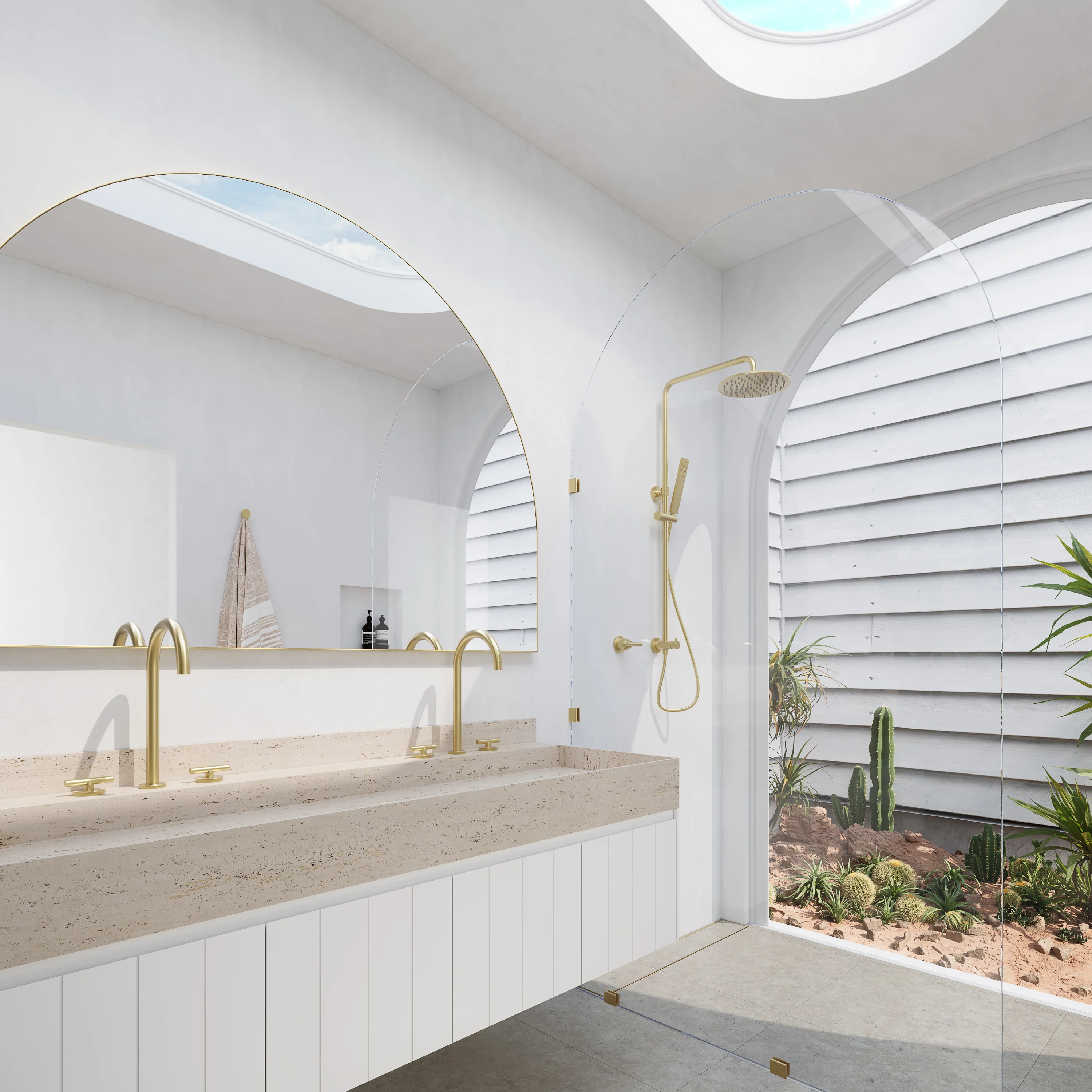
Today’s most refined bathtub tile design ideas extend beyond function, framing the bath as a defining architectural feature within the bathroom.
In 2026, the tiles surrounding it shape not only durability and performance, but the entire atmosphere of the space; an expression of materiality, tone, and restraint.
From expansive, uninterrupted surfaces to finely detailed mosaics, this year’s direction is grounded in clarity. Each decision feels intentional, with tiles used to frame the bath as a design-led focal point rather than a purely practical choice.
We explore six defining bath tile ideas shaping contemporary interiors, and how to approach each with confidence.
Popular Tile Types For Bath Surrounds
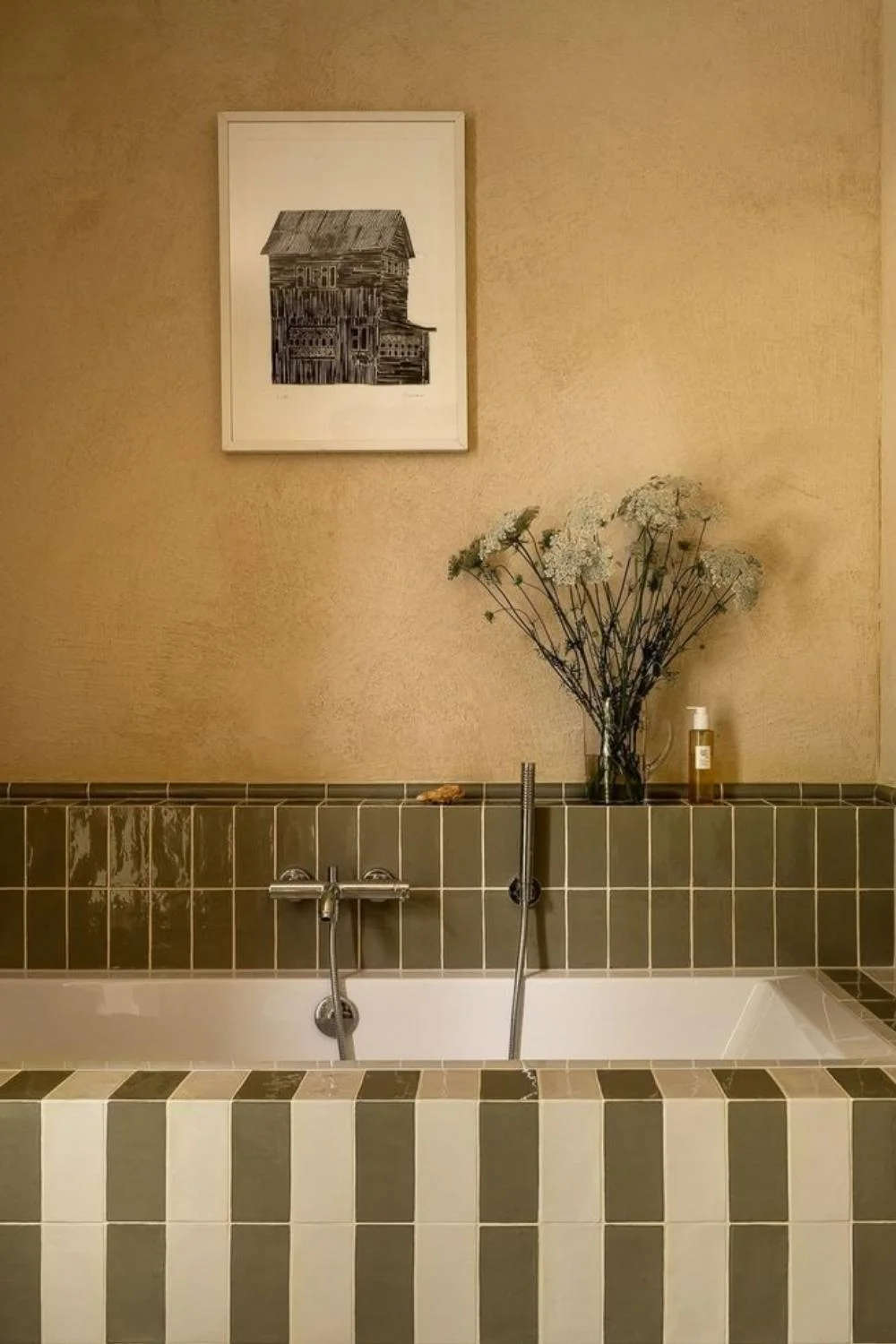
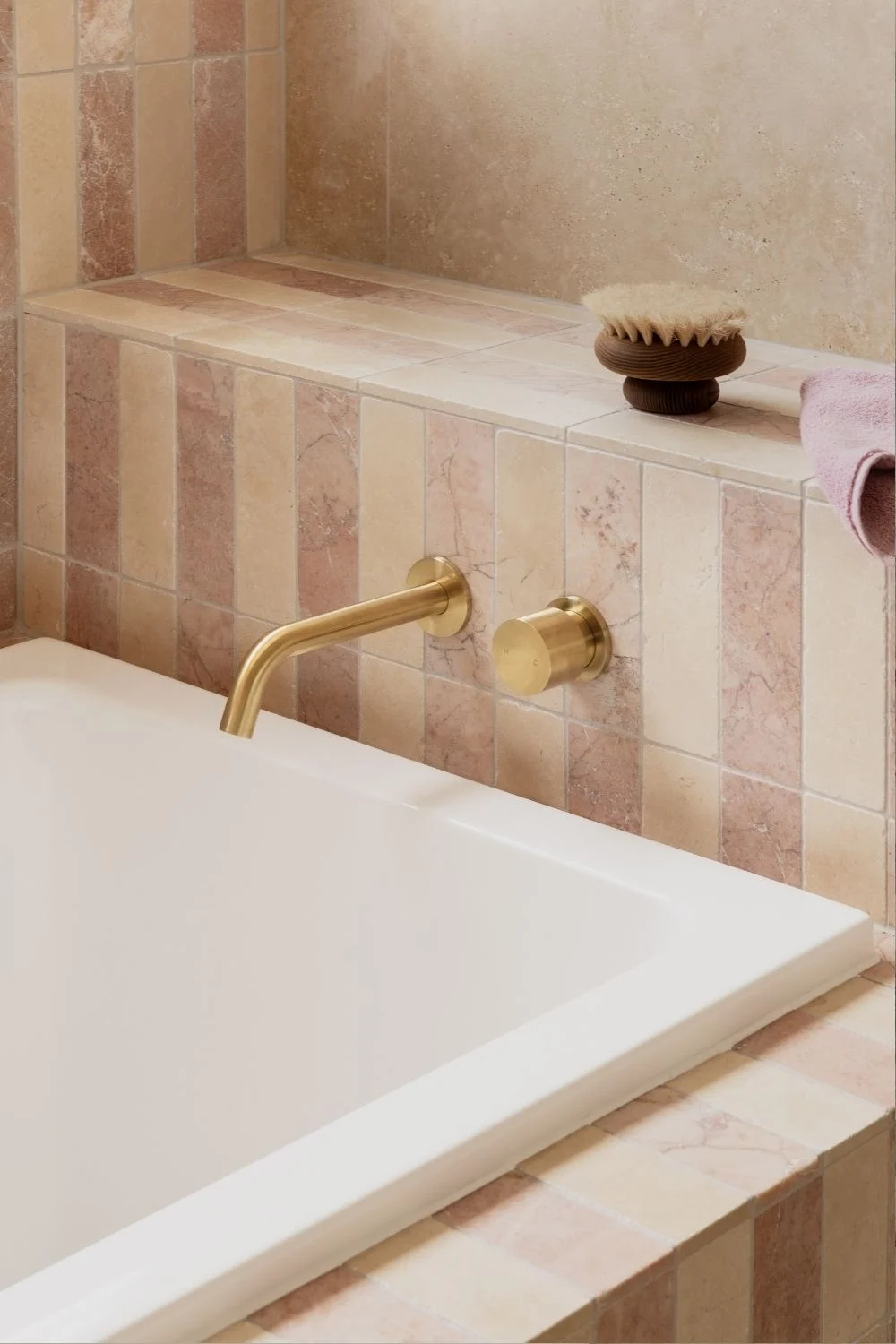
Material selection is fundamental to all successful bathtub tile design ideas, where each tile choice must carefully balance performance with aesthetic intent:
- Porcelain tiles offer exceptional durability and low porosity, making them well-suited to high-moisture environments. They perform seamlessly across both floors and walls, with large-format tiles particularly effective in creating expansive, uninterrupted surfaces. Their ability to convincingly replicate natural materials has also positioned them as a leading choice for achieving a refined, cohesive finish.
- Ceramic tiles provide versatility and accessibility, most commonly used on walls. Their lighter weight and wide range of finishes make them ideal for vertical applications and more expressive layouts.
- Natural stone tiles such as travertine, marble, and limestone introduce depth and inherent variation. They can be used across floors and walls, though careful sealing and ongoing maintenance should be considered, particularly in wet areas.
- Mosaic tiles are best suited to walls, niches, and detailed areas, as well as floors in compact spaces where additional grip is beneficial. Their smaller scale allows for precision across curves and edges, bringing texture and intricacy where larger formats cannot.
Our Top 6 Bathtub Tile Design Ideas
1. The Floor-to-Ceiling Feature Wall
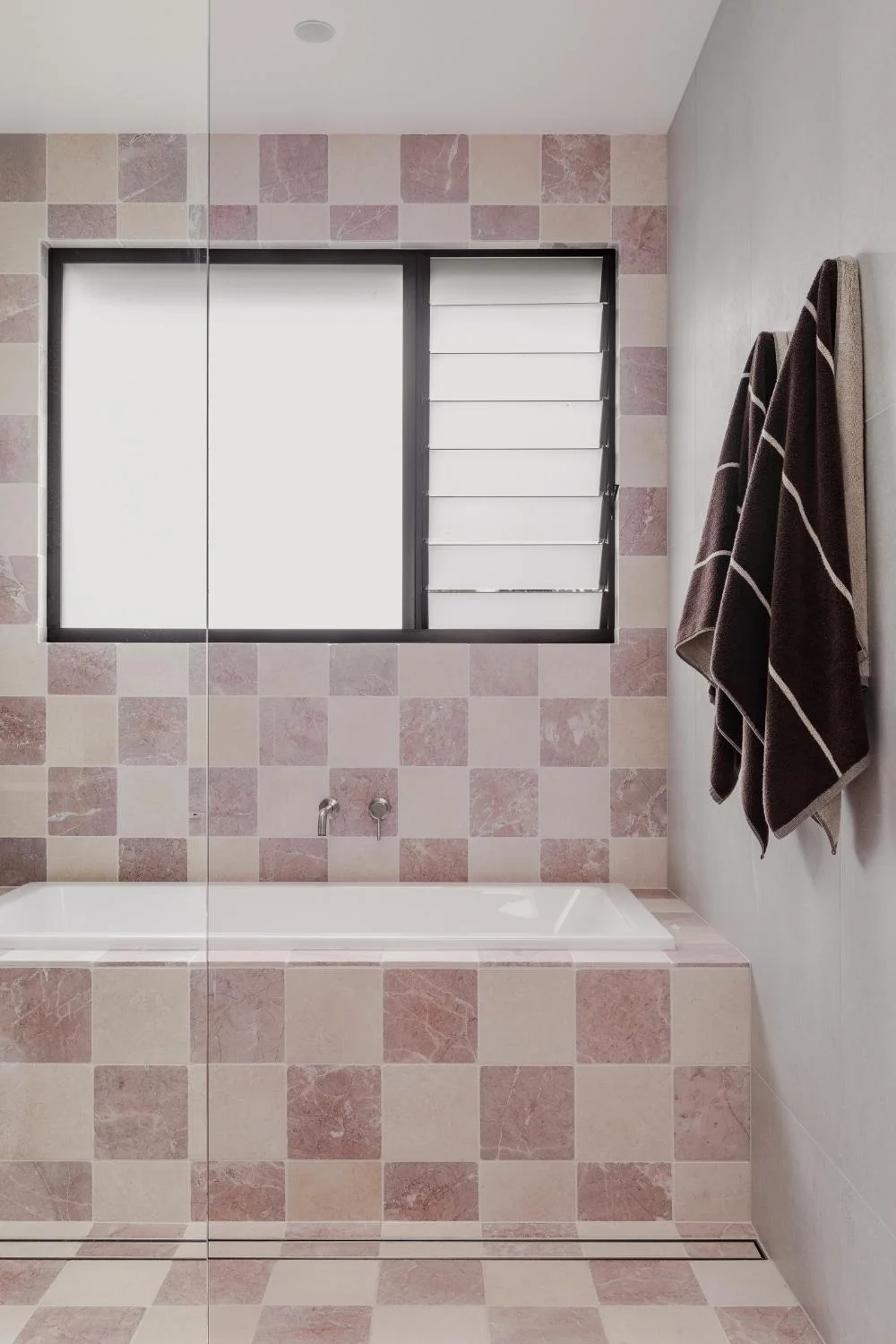
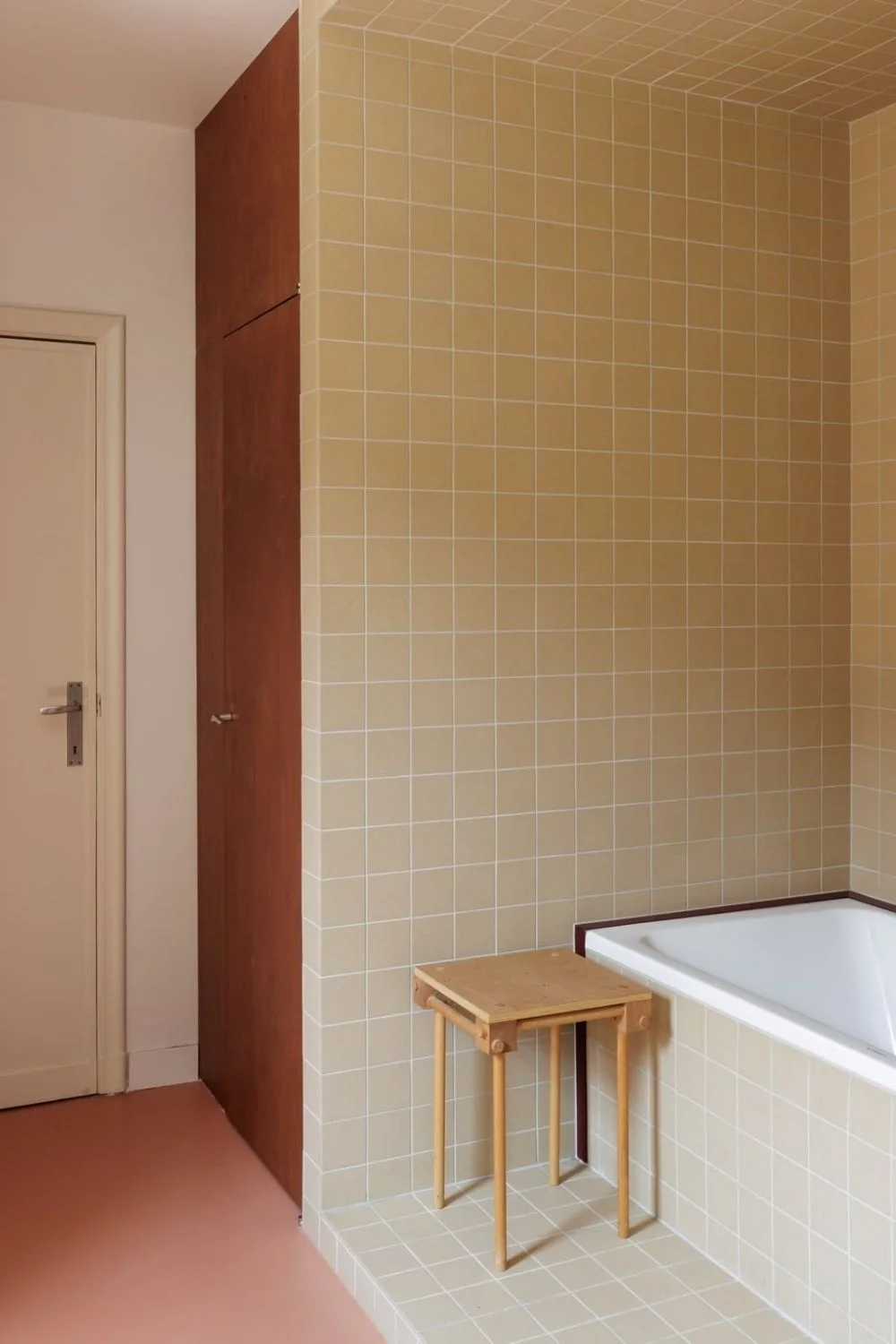
A single, uninterrupted plane of tile from floor to ceiling has become a defining feature in contemporary bath tile design ideas. Positioned behind the bathtub, it introduces verticality while anchoring the entire space.
Large-format porcelain tiles or stone tiles with subtle veining are typically used to achieve this effect. Minimised grout lines allow the surface to read as one continuous material, creating a calm, architectural backdrop and elevating even the most compact bathrooms.
For a more expressive design, checkerboard or striped layouts introduce rhythm and movement, while smaller-format tiles applied across the full height of the wall bring texture and depth. In these cases, the feature wall shifts from a quiet backdrop to a defined focal point, adding energy without compromising cohesion.
2. The Built-In Tiled Bath
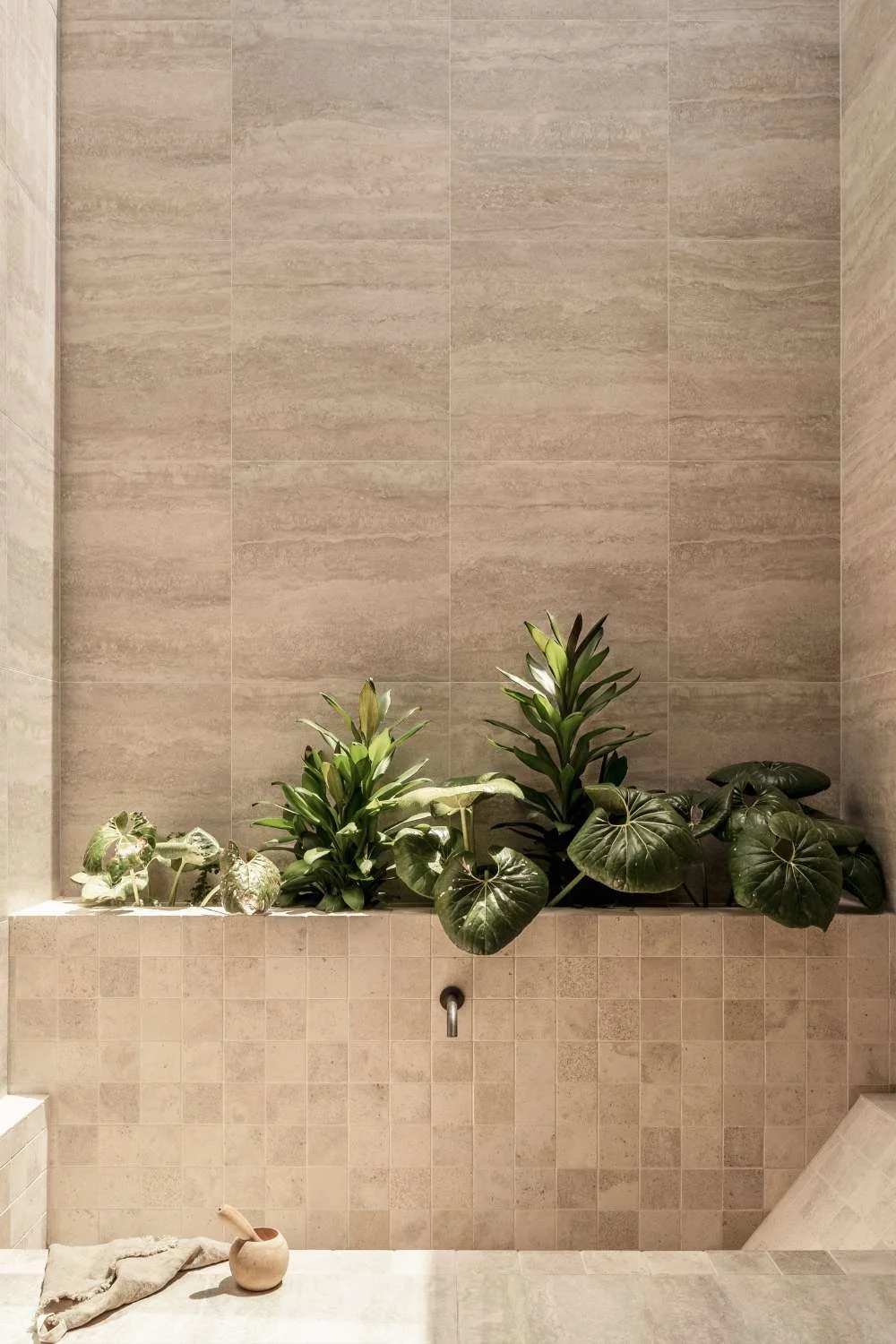
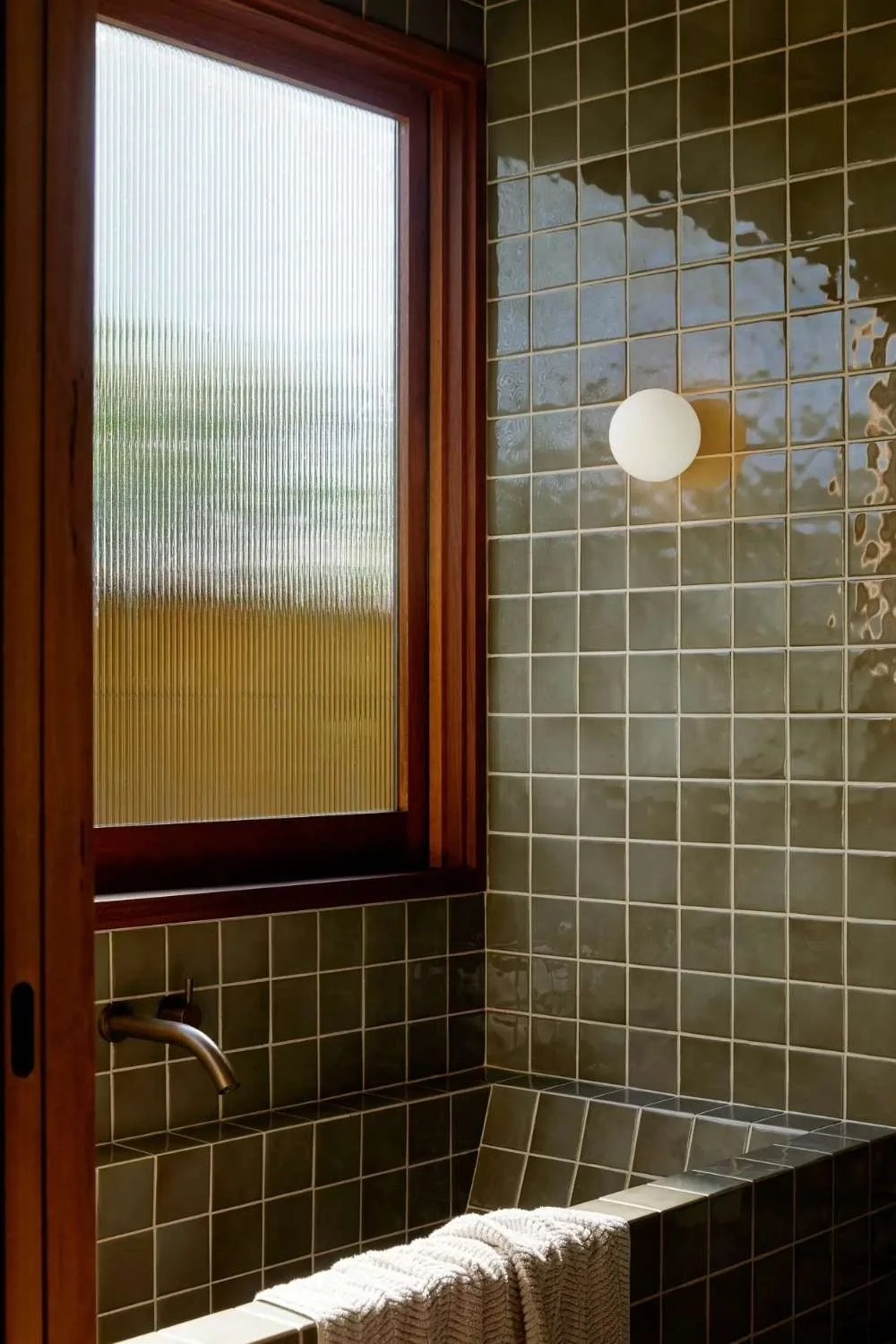
The built-in bath is evolving into a more integrated, sculptural feature within the bathroom. Rather than existing as a freestanding fixture, the bathtub is enveloped within a tiled form; sometimes raised on a platform, set into a gentle step down, or framed by a subtle transition in level.
In more resolved bathtub tile design ideas, the same tile is carried across the bath structure, floor, and adjoining walls, creating a cohesive, monolithic expression. This continuity removes visual breaks, allowing the bath to feel embedded within the room rather than simply placed in it.
3. The Mosaic Accent Strip
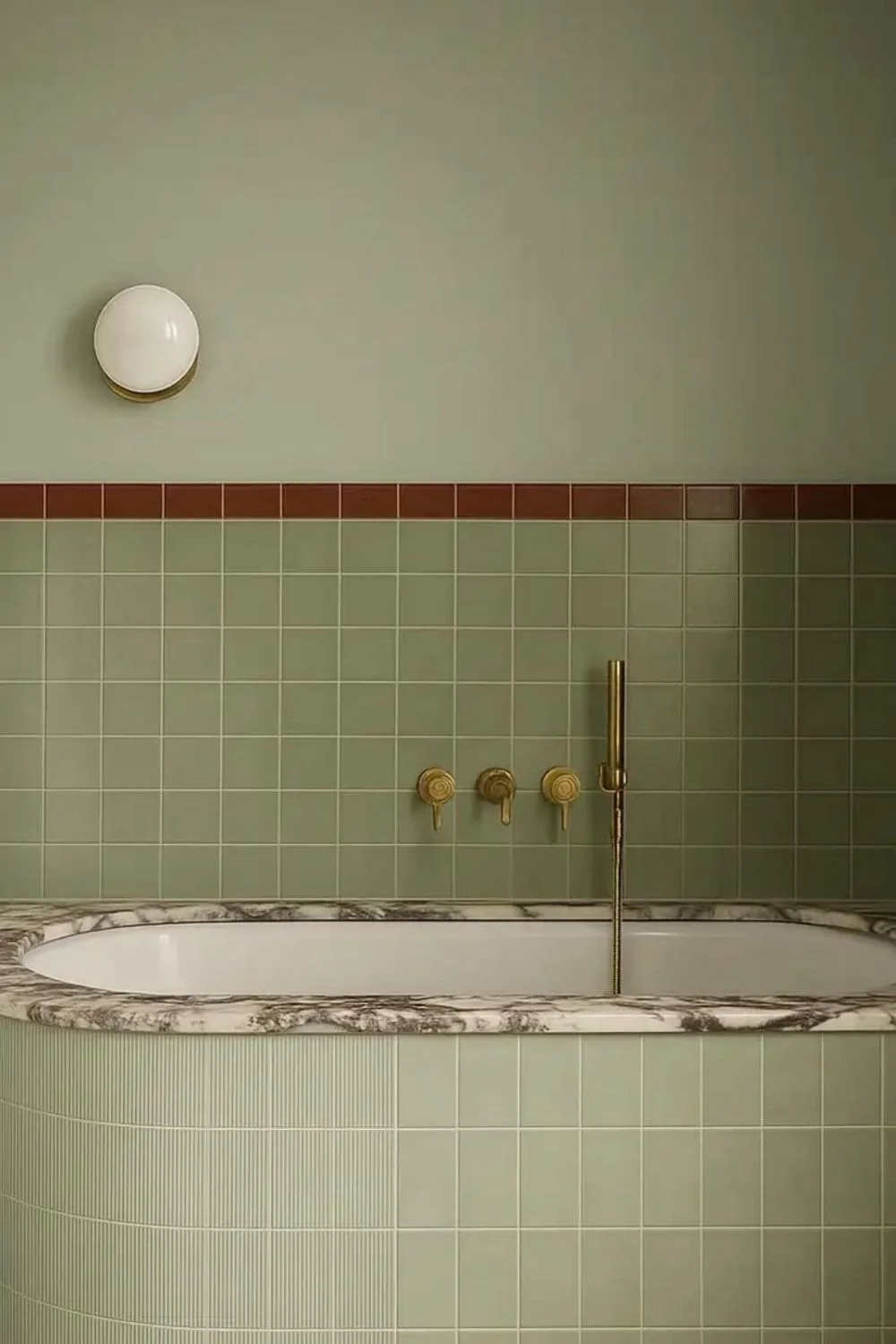
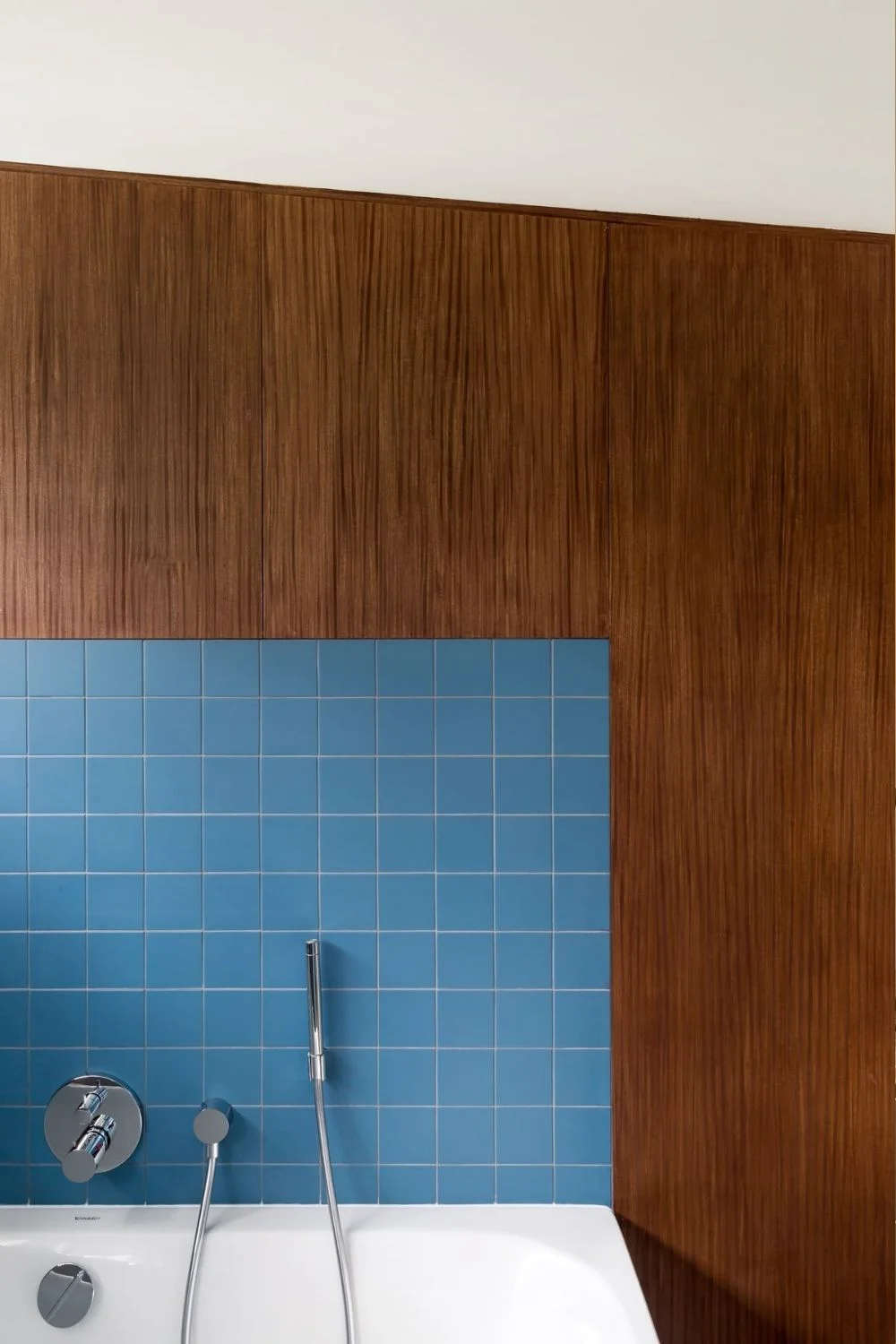
While large-format tiles create a sense of calm, mosaics bring a layer of nuance and detail. A single, carefully placed strip, whether vertical or horizontal, can bring texture, rhythm, and detail without competing for attention.
The shift in 2026’s bath tile design ideas is toward more considered placement. Rather than traditional borders, mosaics create moments of interruption: a vertical line rising from the bath edge, or a horizontal band that subtly wraps the room.
Handmade finishes, natural stone, irregular forms, and patterned mosaics add depth through variation, while their smaller scale contrasts with surrounding surfaces to create a layered, intentional composition.
4. Half-Height Tiling
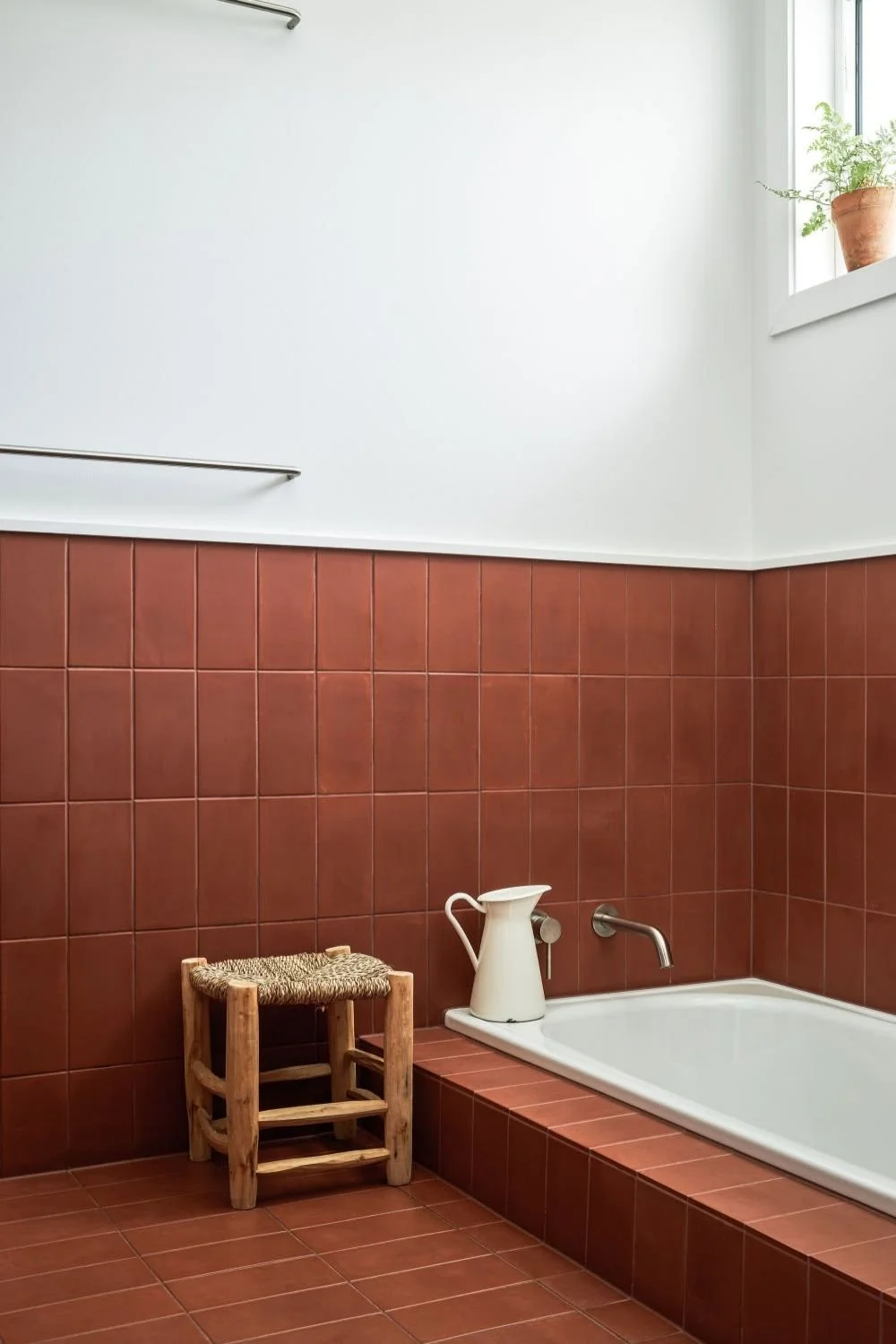
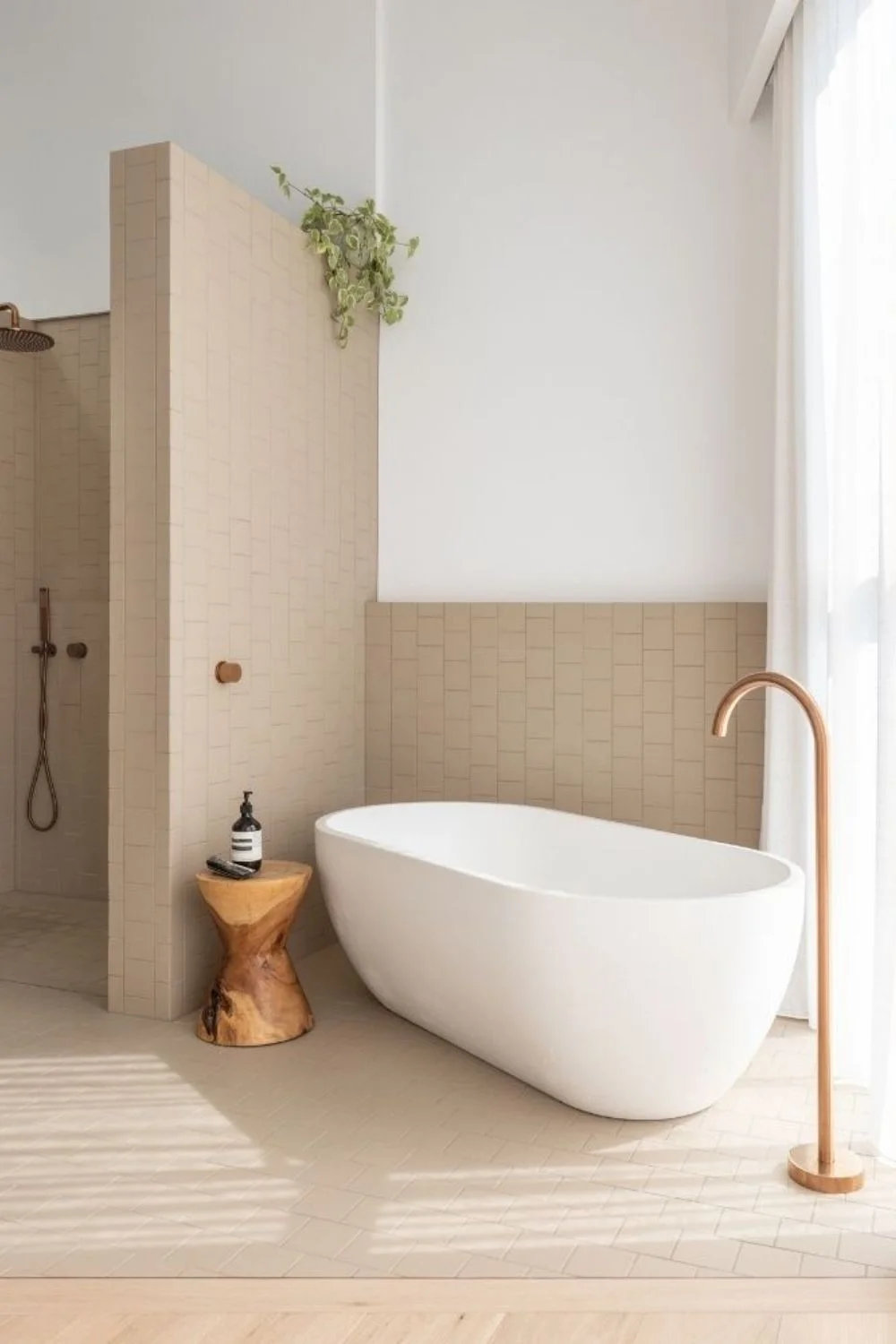
Half-height tiling strikes a thoughtful balance between classic detailing and contemporary restraint. Running tiles along the lower portion of the room, including the bath surround, grounds the space while allowing the upper walls to remain lighter and more open.
In 2026, we're seeing this executed with handmade zellige tiles in soft, organic colourways: sage green, blush, warm ivory. The slight irregularity of zellige catches the light differently at every angle, giving the room a sense of movement and craft. Carried around the tub surround, it creates a cohesive, enveloping feel that's equal parts heritage and modern ease. Pair it with brushed nickel or antique brass tapware to lean into the artisanal warmth.
5. Tile Colour Drenching
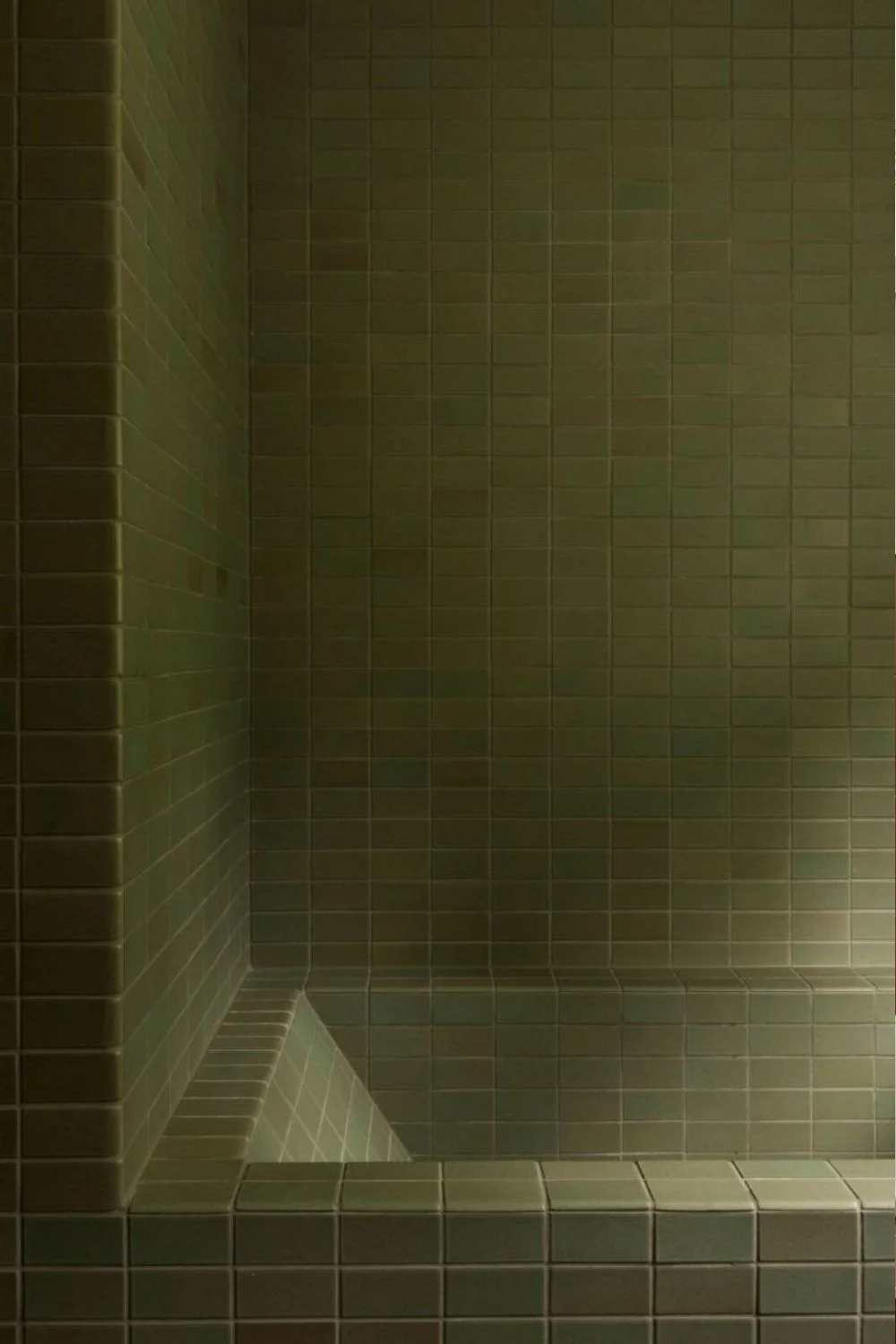
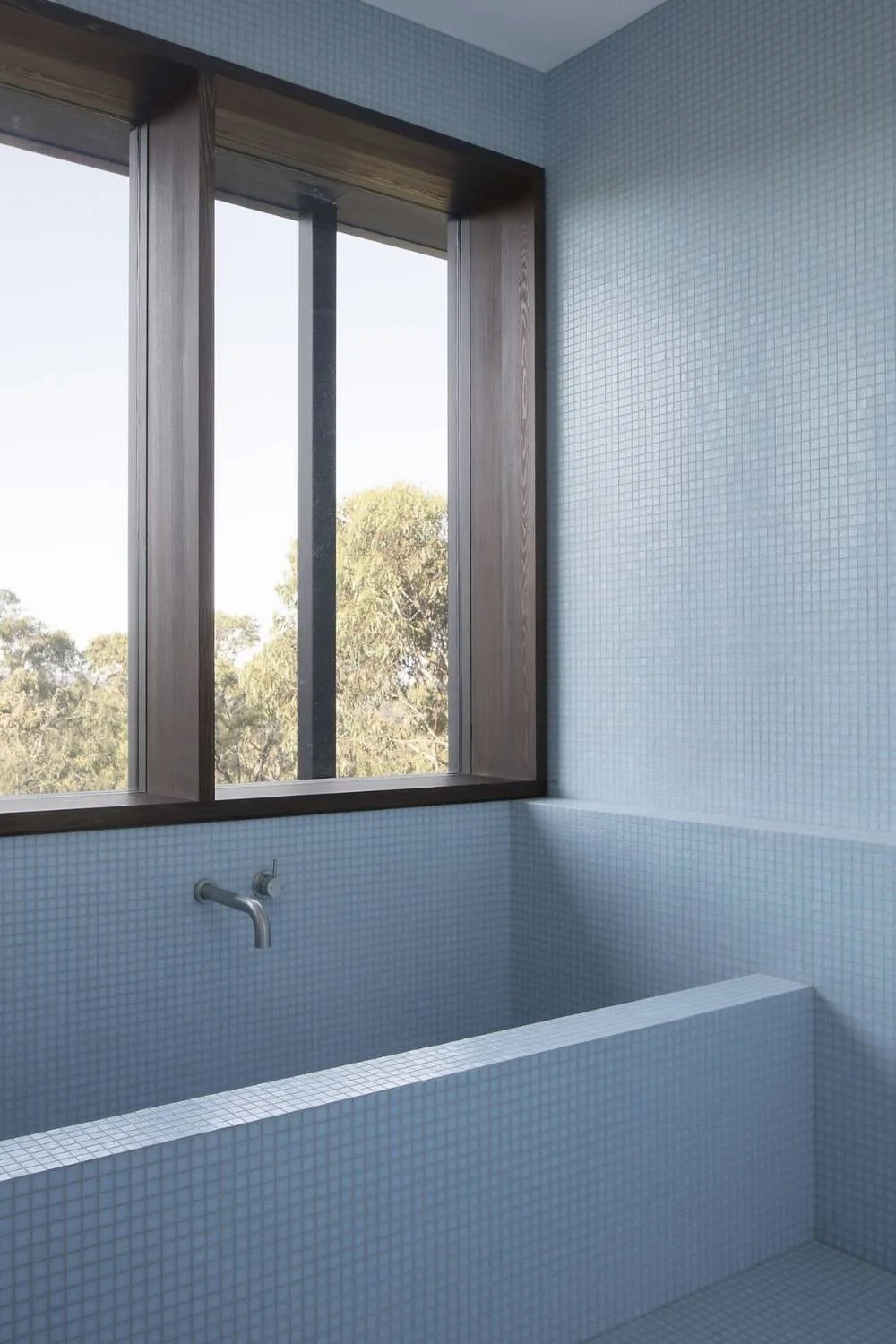
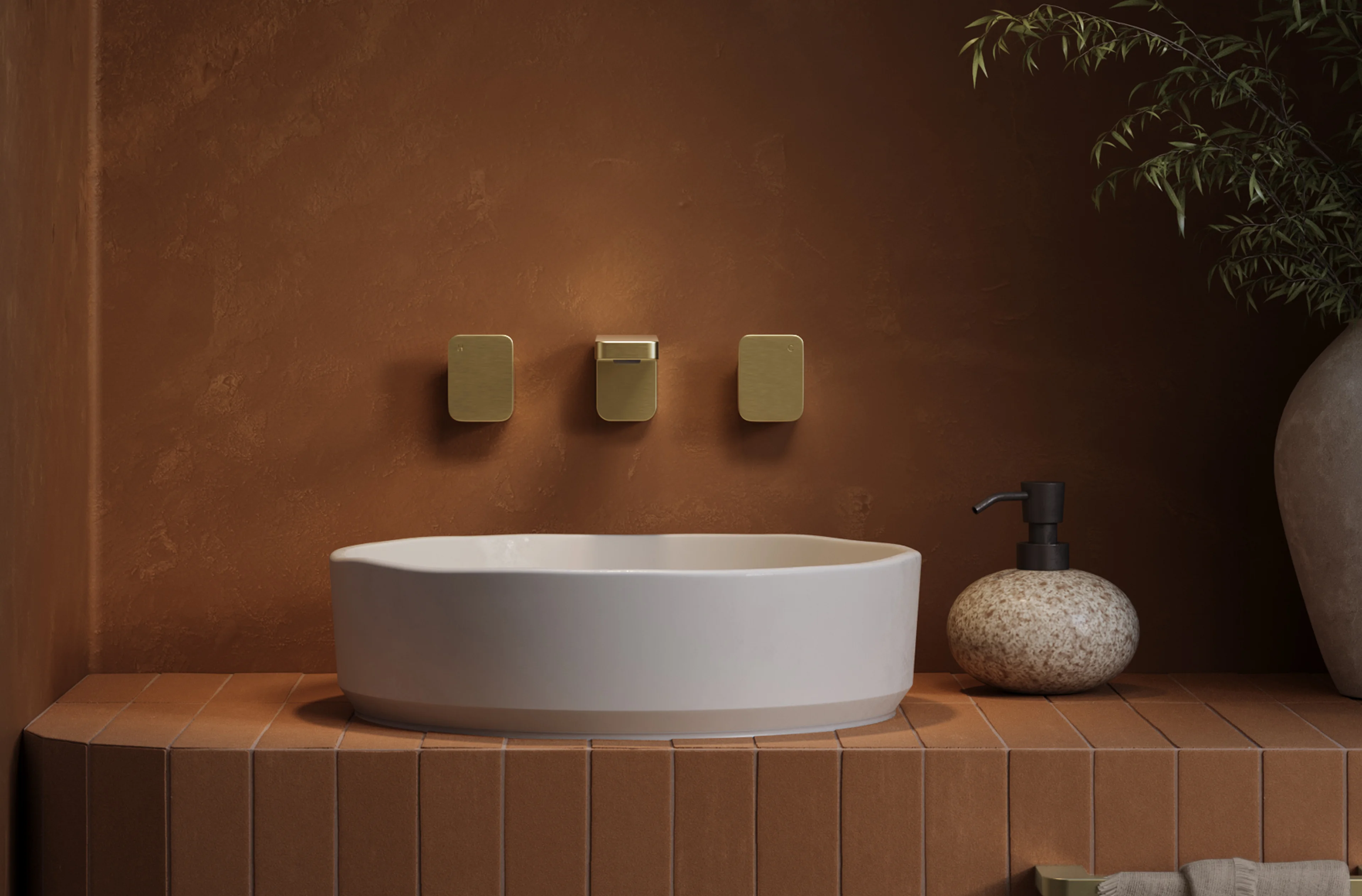
One of the most striking directions in bathtub tile design ideas right now is colour drenching, where walls, floors, the tub surround, and even the ceiling are unified in a single hue to create a fully immersive space.
The key is choosing a colour with depth and softness. Think dusty terracotta, deep forest green, or a rich midnight blue, carried across surfaces in tiles with subtle tonal variation so the space feels alive rather than flat. Gloss and matte finishes can be mixed within the same colourway to add dimension without breaking the palette.
Tapware becomes the punctuation in a colour-drenched bathroom; warm brushed brass tapware set against an all-green room, or polished chrome cutting through deep blue, creates a striking contrast that feels curated rather than accidental.
5. The Curved Wall
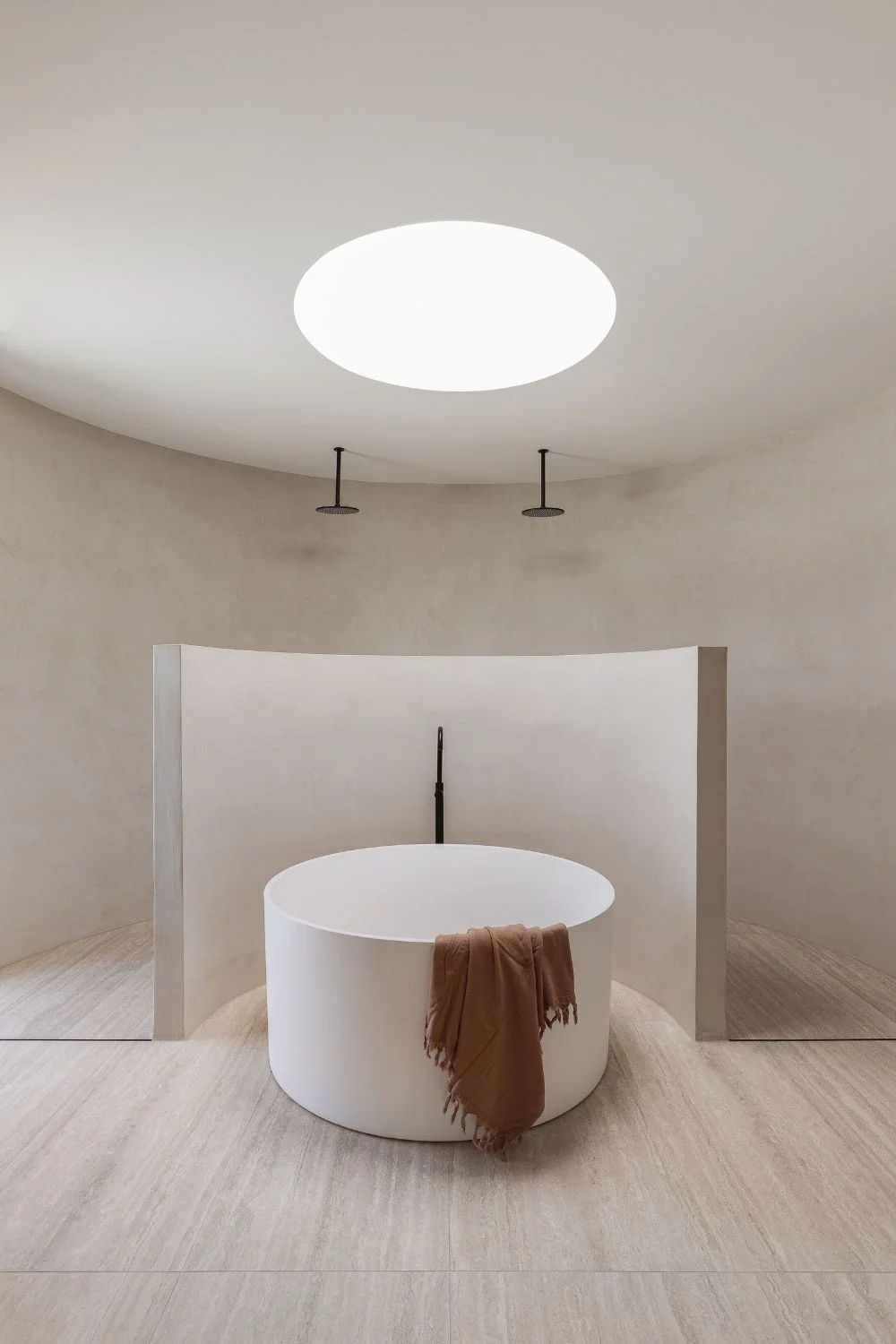
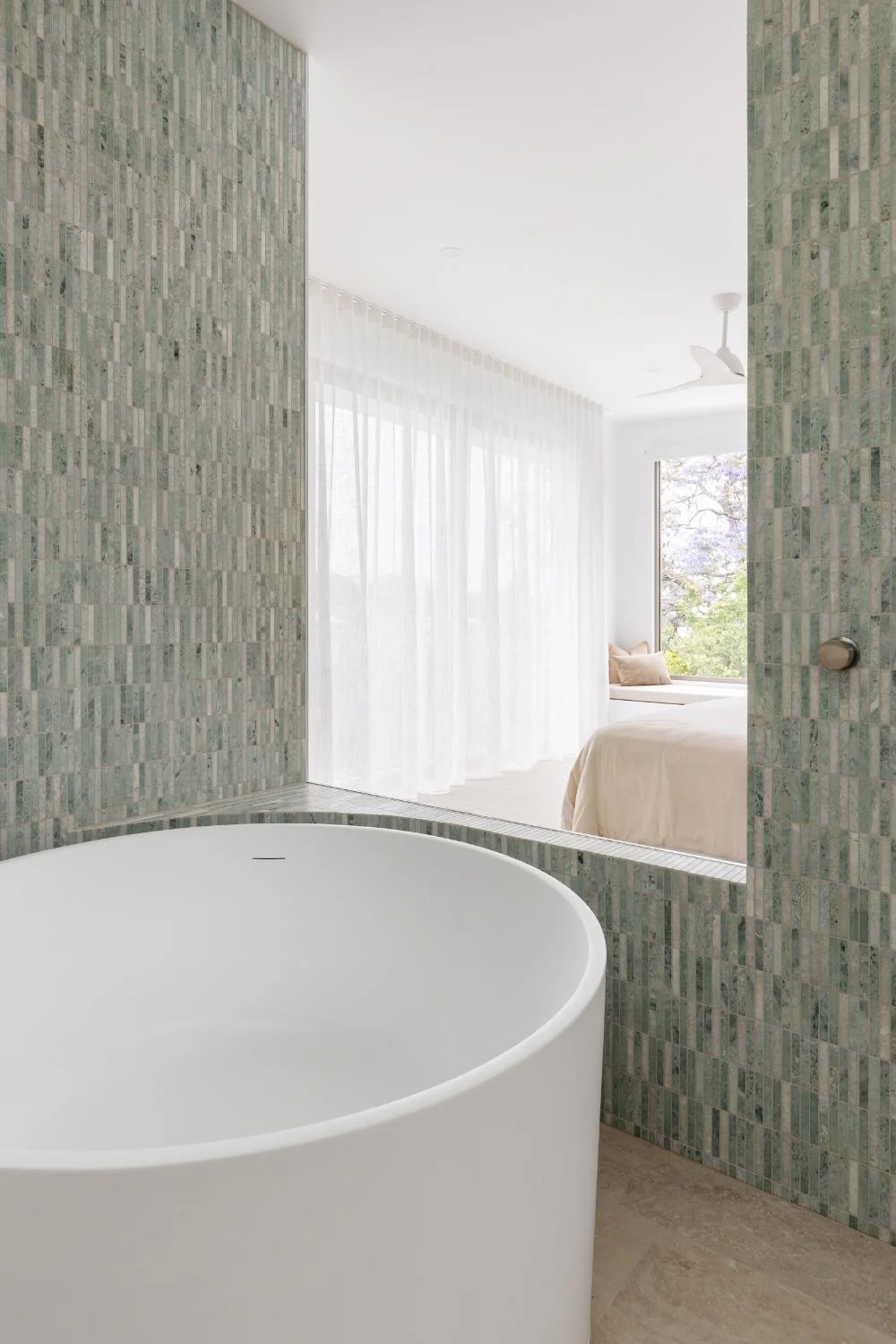
A more sculptural direction in bathtub tile design ideas is emerging through curved tiled walls that softly wrap around the bathtub. Often paired with a circular or freestanding tub, like our Ukiyo Acrylic Freestanding Bath, this layout softens the room's overall geometry while creating a sense of enclosure and intimacy.
The curve introduces a subtle fluidity, breaking away from the rigid lines typical of bathroom design. When tiled, it becomes both a functional surface and an architectural feature, guiding the eye and enhancing the spatial flow. Mosaic tiles are typically favoured here, allowing the material to follow the curve with precision. Textural finishes, such as handmade ceramics or inverted finger tiles, further accentuate the form by catching light at varying angles.
The result is a bathroom that feels considered and immersive, where the bathtub is not just framed by tile, but gently held within it.
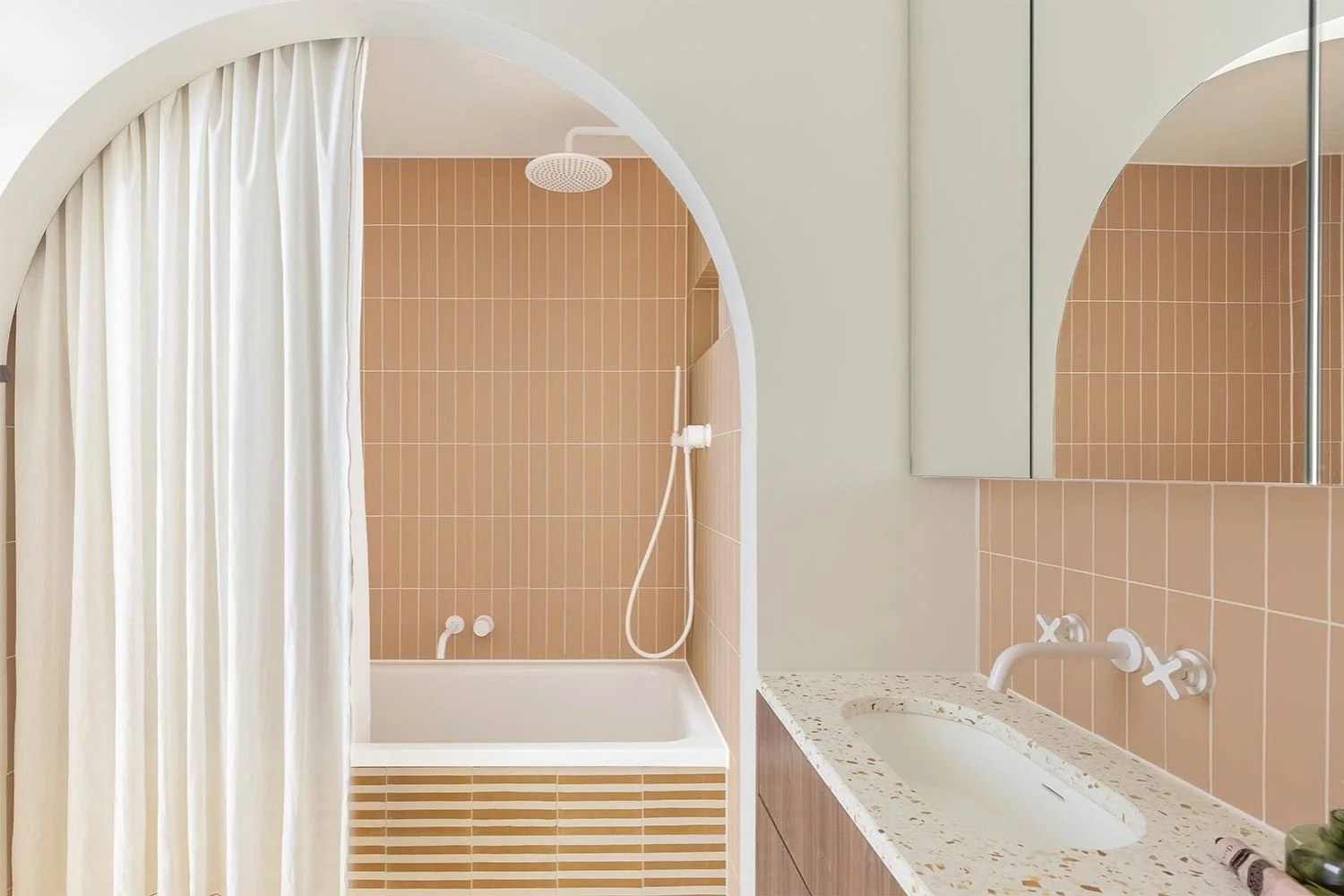
The unifying thread across these bathtub tile design ideas is a clear sense of intention. The most compelling bathrooms are not tiled as an afterthought, but composed from the outset with the bathtub as the focal point and tiles as the material that gives it architectural presence.
Whatever layout you prefer, the finishing details matter just as much as the tile itself. The right tapware finish can transform the entire palette: Antique Steel (coming soon) introduces depth and a sense of time-worn character within lighter schemes; brushed copper brings warmth and softness to cooler palettes; brushed gunmetal lends a refined, contemporary edge to more expressive interiors.
It’s these considered pairings that elevate a bathroom beyond mere function, making it a design feature in its own right.
Looking for more bathroom inspiration? Check out these blogs:
Elevate Your Space With These Bathroom Tiles Ideas
2026 Bathroom Tile Inspiration: Trends, Textures & Timeless Style