Our Range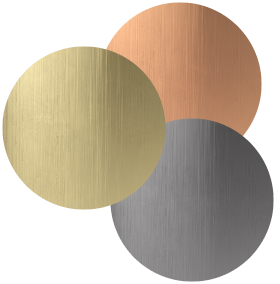












A Guide to Our Silver Finishes: Brushed Nickel, Stainless Steel & Antique Steel
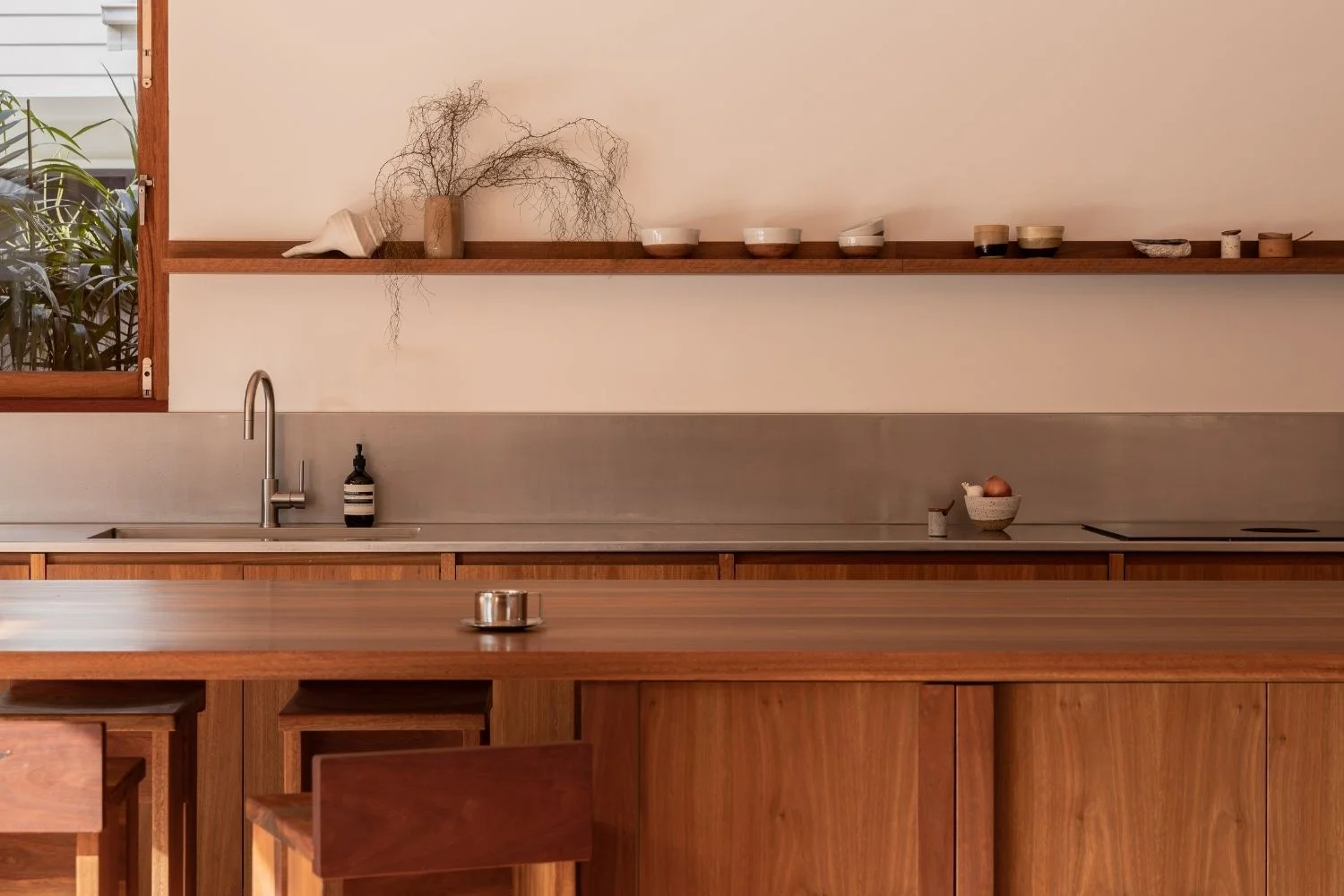
Of all the metallic tones shaping contemporary interiors, silver finishes remain some of the most timeless.
Softer than chrome, more nuanced than polished steel, and effortlessly versatile, they bring a sense of restraint that feels increasingly aligned with contemporary living.
Our range is available in three distinct expressions of this hue: brushed nickel, stainless steel, and Antique Steel (coming soon). Each offers a different balance of warmth, texture, and character, from softly refined to crisp and architectural, through to richly aged and organic.
In this guide, we examine our different silver finishes, how they influence a space's mood, which materials they pair best with, and how to choose the right one for your home.
The Resurgence of Silver Finishes
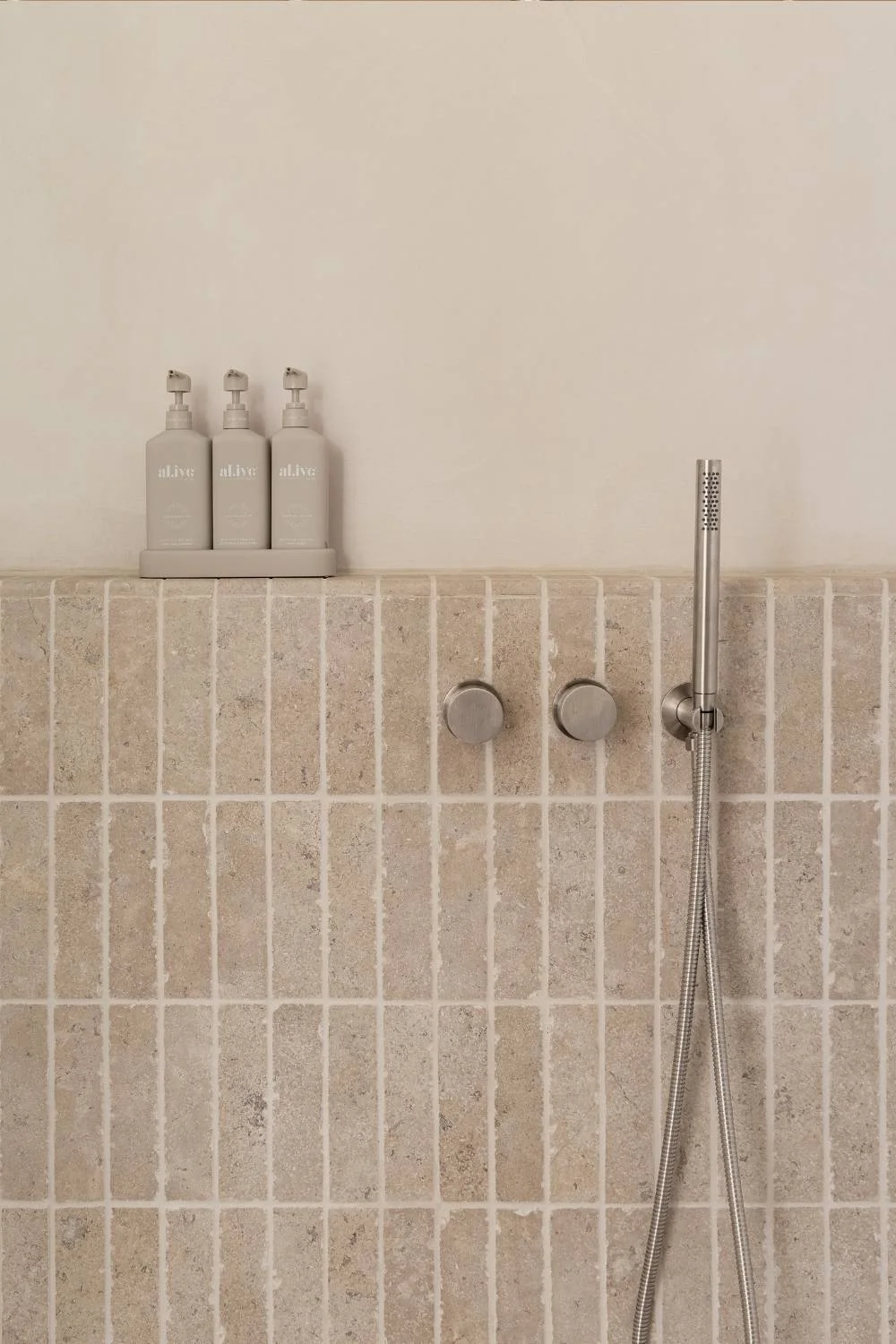
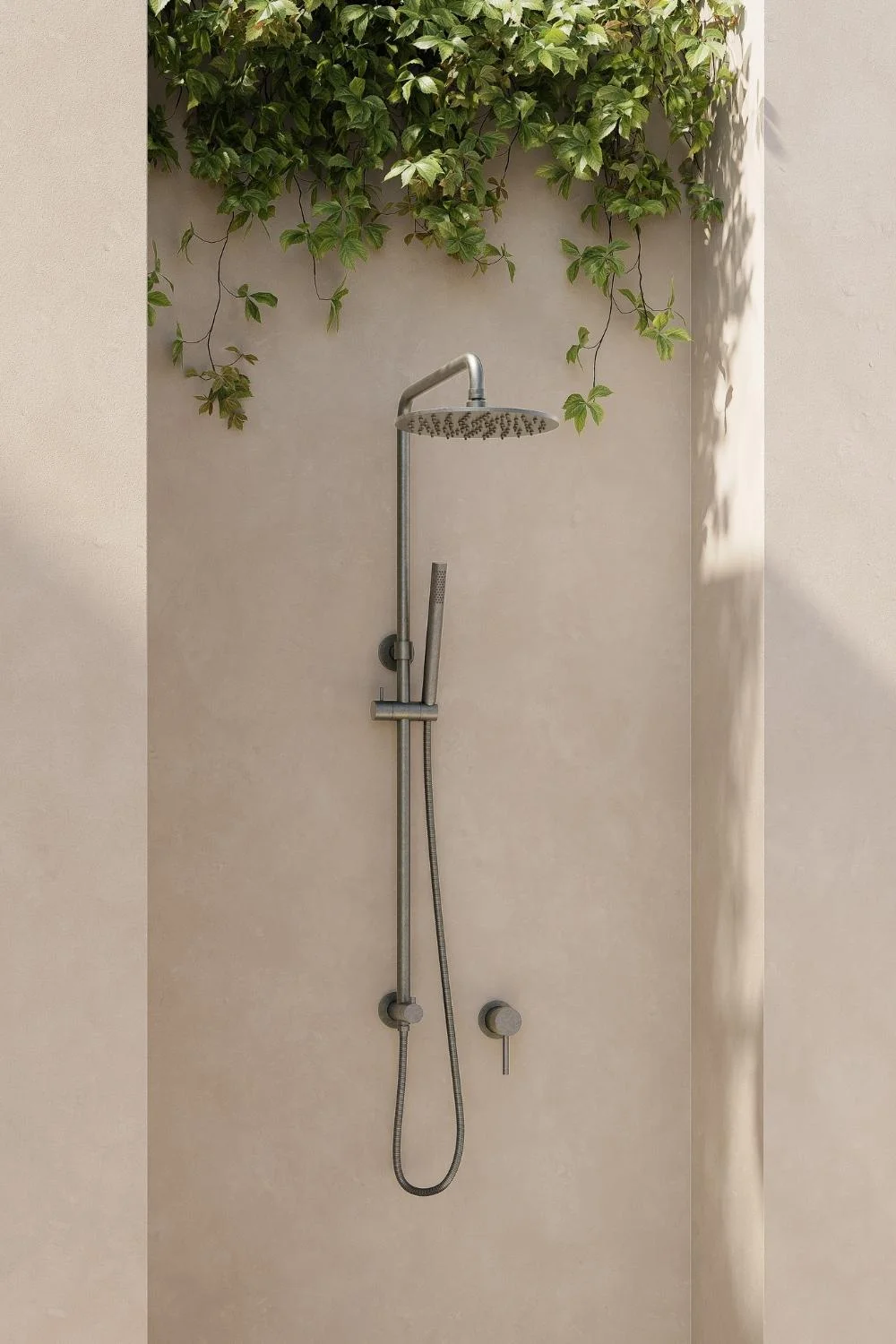
Following the long reign of brushed brass, silver finishes have quietly returned to the forefront of contemporary interiors. While chrome is experiencing a renewed moment in contemporary design, brushed and softly aged silver finishes continue to feel more timeless, aligning with the shift toward calmer, more tactile, and layered interiors.
Bright, highly reflective surfaces have gradually given way to finishes with depth and subtlety. The focus is no longer on shine, but on texture, softness, and materiality.
Designers are layering natural stone tiles, timber, plaster, linen, and concrete more confidently, creating interiors where metalwork complements the palette rather than dominating it. In these spaces, brushed silver finishes feel integrated and architectural. Chrome, by comparison, often feels visually louder and more closely tied to specific design eras or trends.
This ultimately defines the chrome vs silver finish conversation. Chrome reflects a room back at itself; brushed and aged silvers absorb their surroundings, taking on the warmth, shadow, and texture of the materials around them. The result feels softer, more enduring, and easier to live with in the long term.
Understanding The Different Silver Finishes
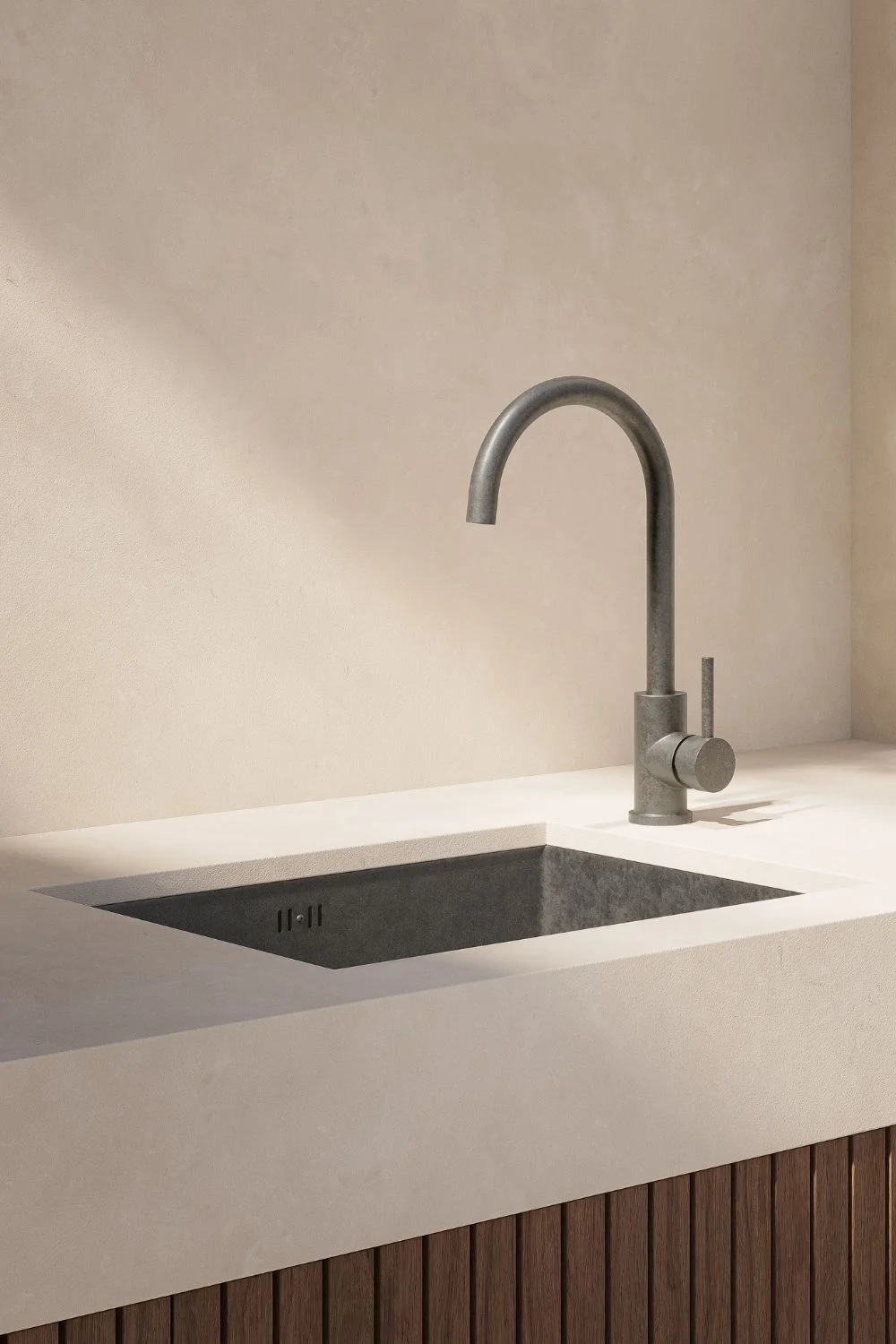
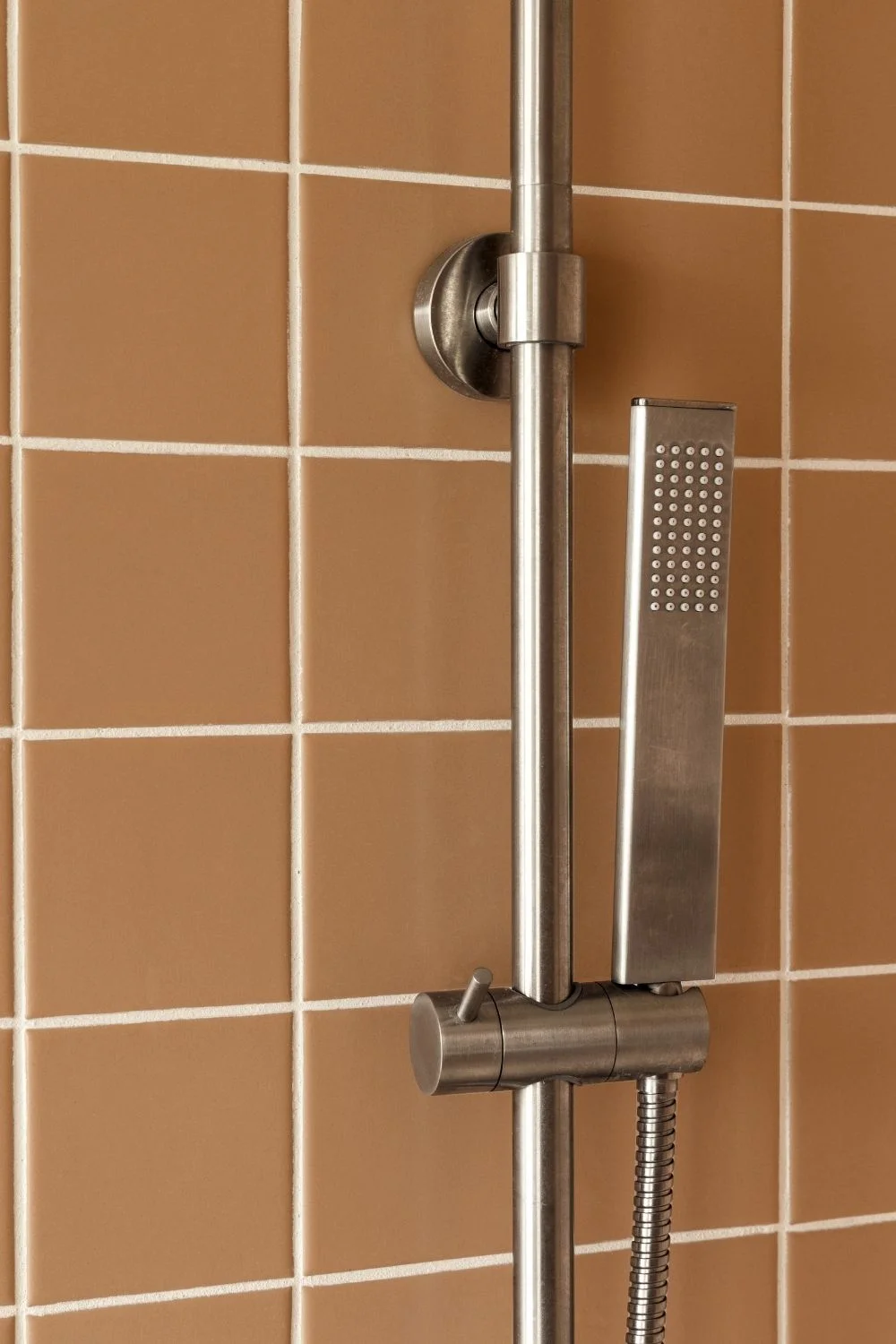
While all three silver finishes belong to the same tonal family, each brings its own distinct character and visual depth. Variations in undertone, brushing, texture, and light reflection dramatically affect how the finish interacts with its environment. Together, they span everything from minimal contemporary spaces to organic, industrial interiors.
Tone Variation
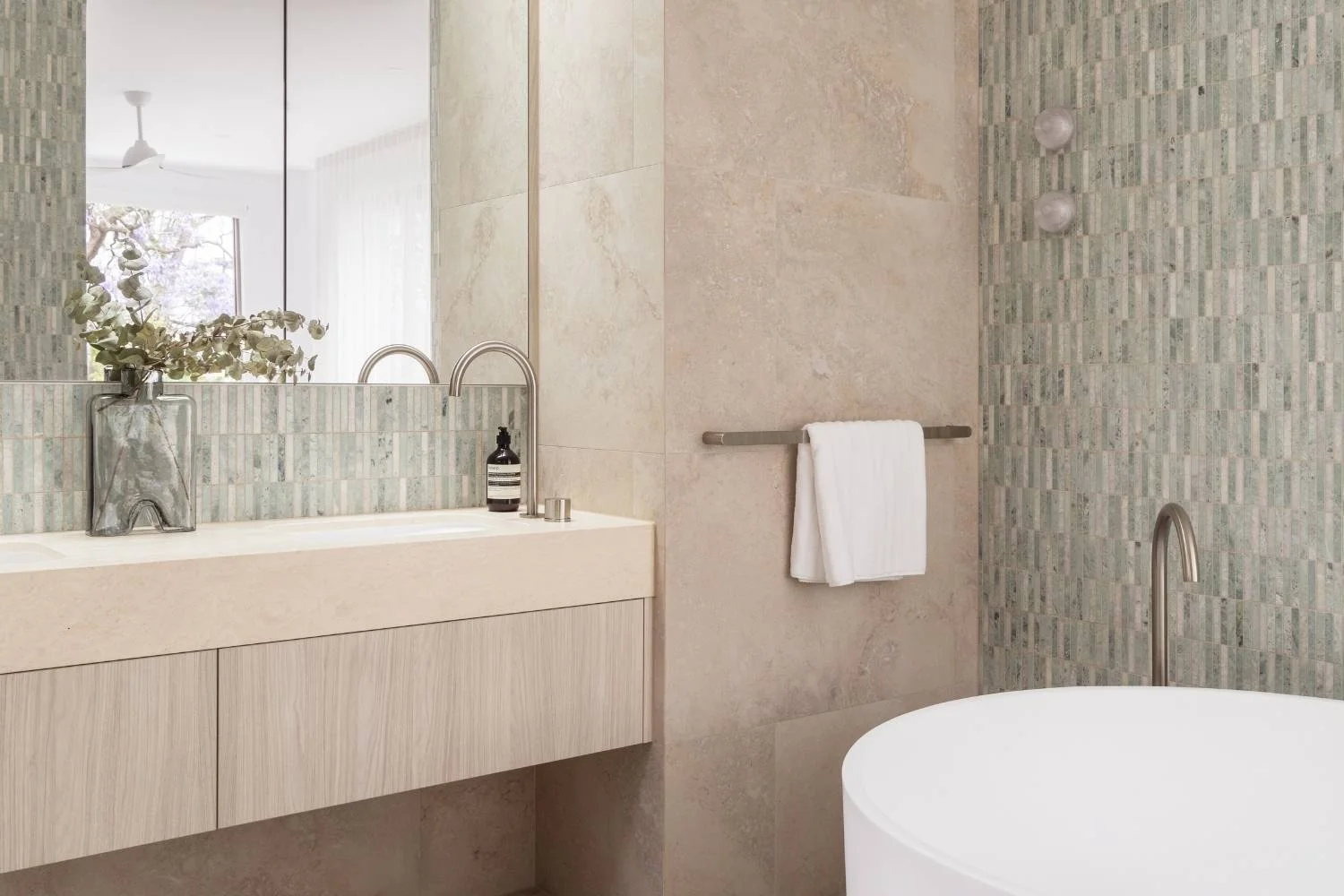
Both brushed nickel and stainless steel offer timeless silver finishes that pair effortlessly with a wide range of materials. Brushed nickel introduces a softer warmth through its grey and champagne undertones, while stainless steel delivers a slightly cooler, crisper aesthetic.
Antique Steel introduces greater depth and mood. Darker and smokier in appearance, it carries subtle charcoal undertones that give the finish a more aged, character-driven aesthetic.
Texture Variation
Surface texture is where these different silver finishes diverge most noticeably. Brushed nickel features fine, even brushing that creates a smooth satin appearance with a refined softness. Stainless steel carries a slightly more pronounced directional grain that catches light along its surface, reinforcing its clean, architectural feel.
Antique Steel, part of our latest Antique Collection (coming soon to New Zealand), undergoes a proprietary three-step vibrational tumbling process that gently textures the stainless steel surface. This introduces subtle irregularity and depth, resulting in a finish that feels more organic and hand-finished.
Light Reflection
Each finish responds to light differently, significantly influencing the mood it creates in a space. Brushed nickel diffuses light softly, creating a gentle satin glow that works well across both warm and cool palettes.
Stainless steel reflects light more directly, producing cleaner highlights and sharper definition that suit contemporary interiors. Antique Steel absorbs more light than it reflects. Its softly tumbled texture creates shadow, tonal variation, and visual depth that shifts naturally throughout the day.
| Finish | Construction | Tone | Texture | Maintenance | Best For |
| Brushed Nickel | Solid brass | Neutral silver with subtle warm undertone | Smooth with fine brushed lines | Low maintenance; durable PVD coating helps resist fingerprints and wear | Refined, layered interiors and warm contemporary spaces |
Stainless Steel
| 304 and 316 stainless steel | Neutral silver with subtle cool undertone | Crisp directional brushing | Highly durable and naturally corrosion-resistant | Minimalist and coastal spaces, and outdoor applications |
| Antique Steel | 304 and 316 stainless steel | Smoky aged silver | Softly textured and organic | Highly durable and naturally corrosion-resistant | Japandi, organic modern, industrial interiors, and outdoor applications |
Brushed Nickel vs Stainless Steel
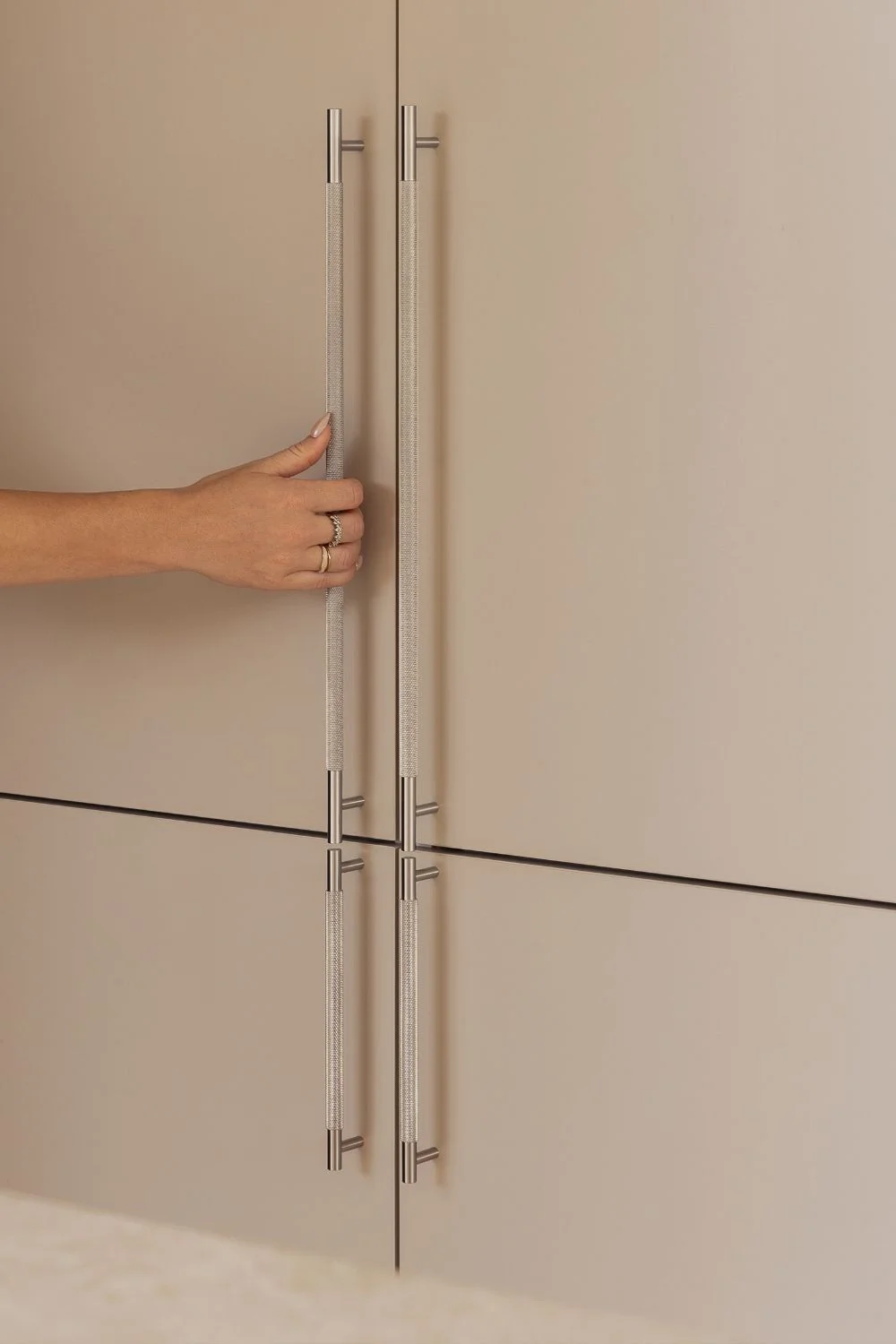
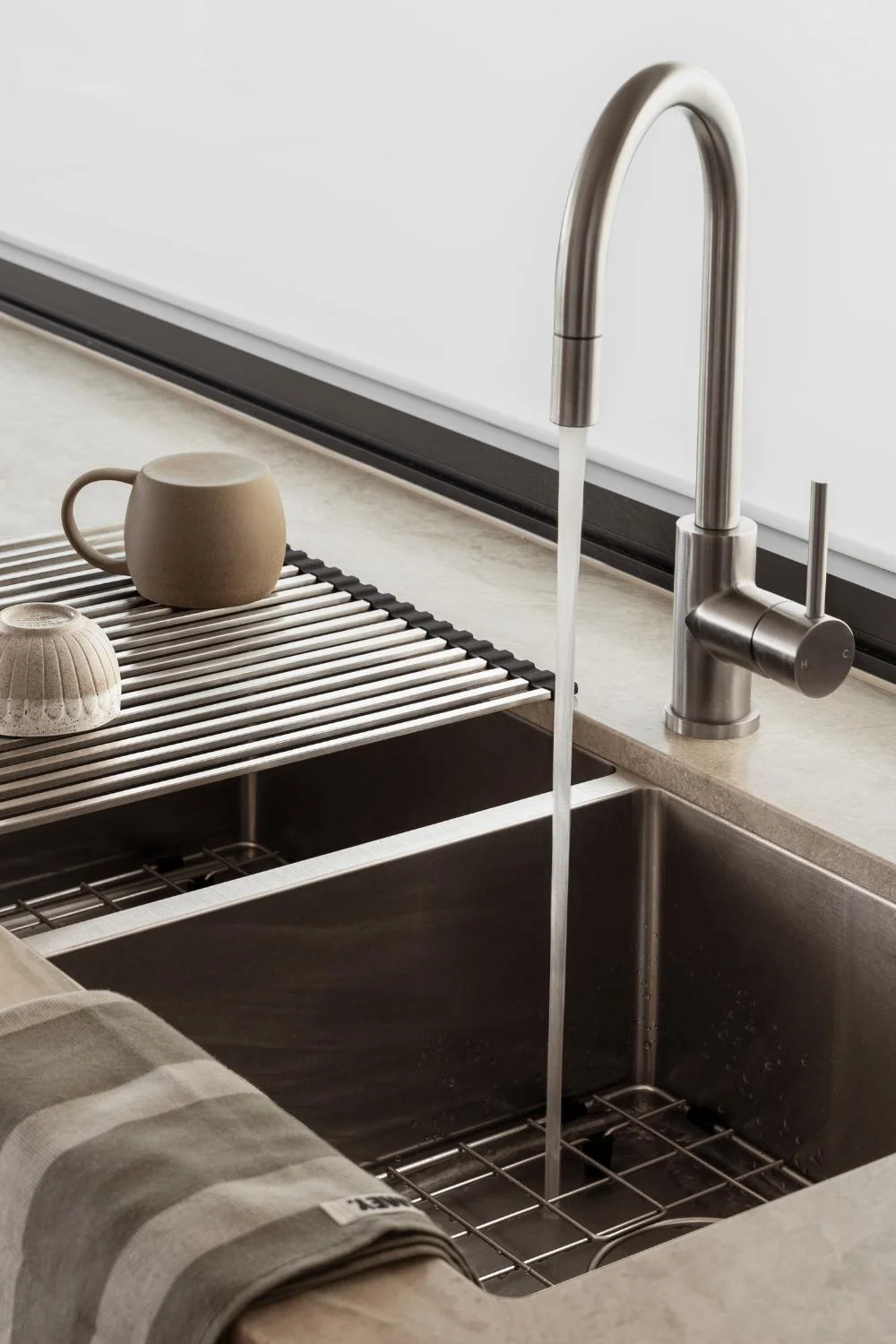
While brushed nickel and stainless steel share a timeless silver palette, each offers its own subtle character. Brushed nickel introduces soft grey and champagne undertones with a smooth satin texture that brings warmth and refinement, while stainless steel offers a slightly cooler silver tone with a crisp directional grain for a clean, contemporary aesthetic.
Brushed nickel is crafted from solid brass with a durable PVD coating, while stainless steel is made from 304 and 316 marine-grade stainless steel, valued for its natural corrosion resistance and suitability for outdoor and coastal environments. Compared to polished chrome, both finishes offer a softer, less reflective appearance that feels effortlessly timeless and versatile.
Their closely aligned tones allow brushed nickel and stainless steel to be used interchangeably or paired together throughout a project, making it easy to achieve a cohesive look across both indoor and outdoor spaces where appropriate.
Stainless Steel vs Antique Steel
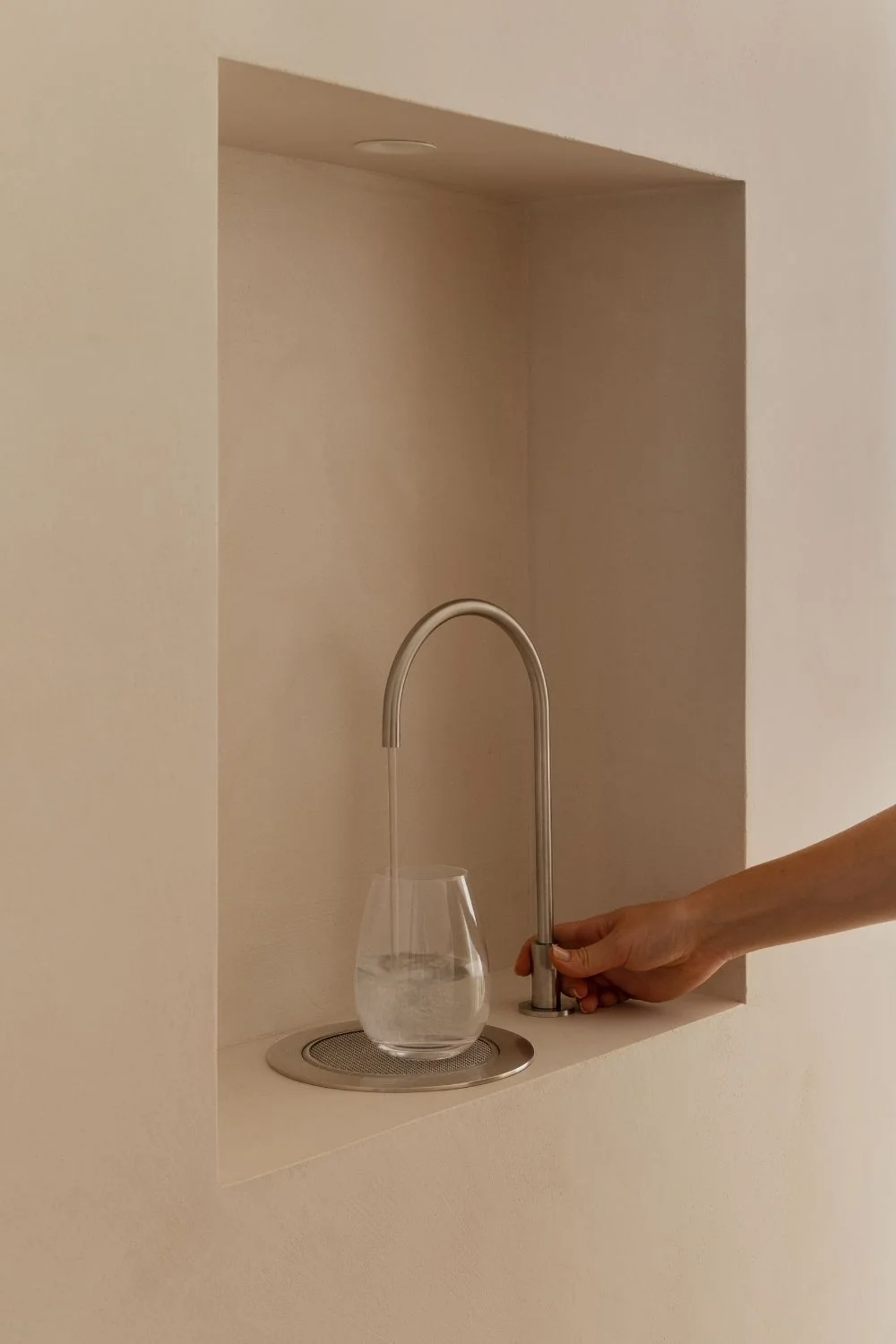
Although both finishes begin with a stainless steel base, they create entirely different visual outcomes. Brushed stainless steel feels crisp, uniform, and contemporary, defined by its clean directional brushing and cool neutrality.
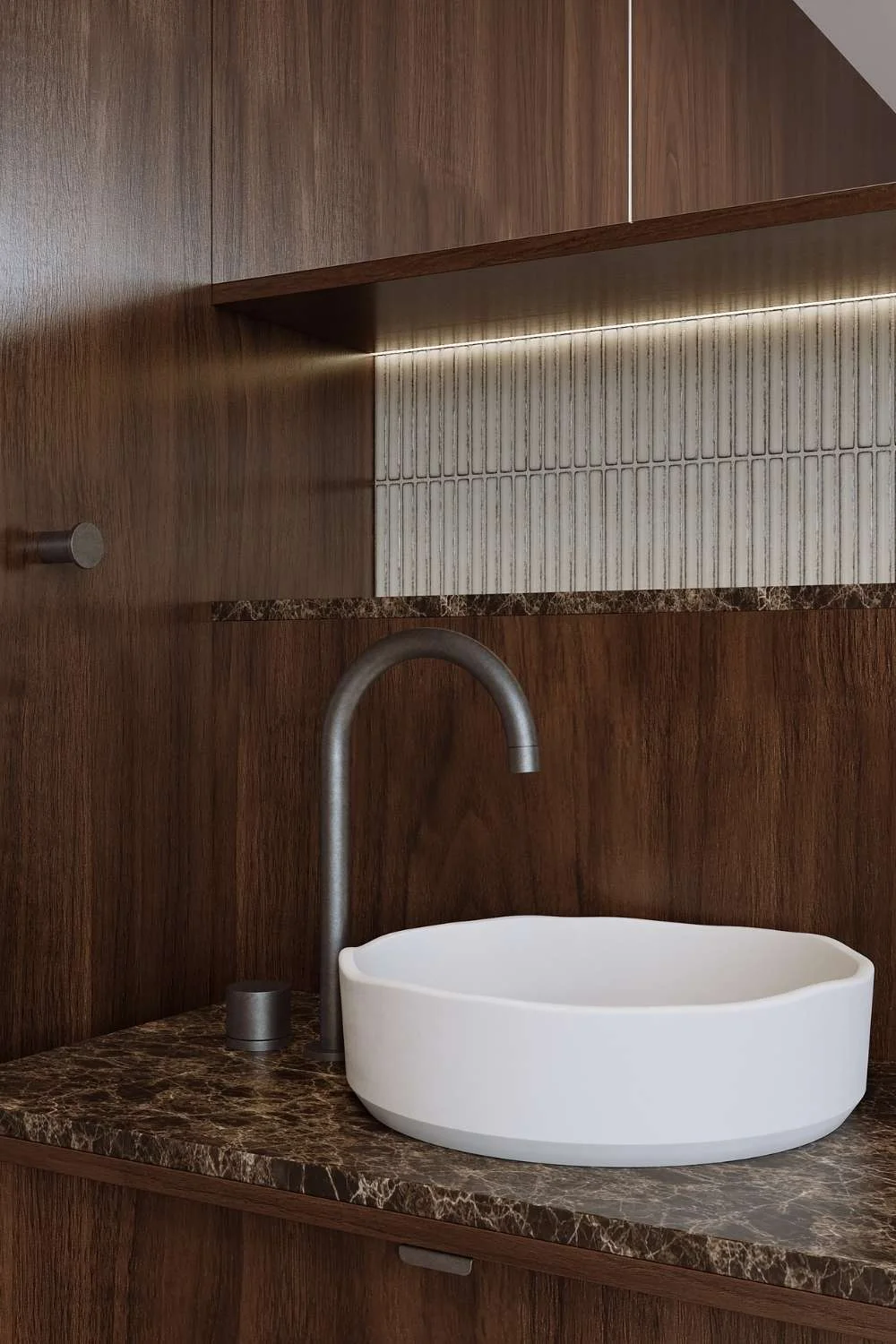
Antique Steel softens that same stainless construction through our proprietary three-step tumbling process, creating a finish with greater depth, texture, and movement. The result feels less industrial and more reminiscent of hand-finished metalwork.
Their tones differ significantly, too. Stainless steel remains bright and neutral, while Antique Steel deepens into a smokier silver with charcoal undertones that become more pronounced in changing light. Where stainless steel feels sharp and architectural, Antique Steel feels time-worn and atmospheric, bringing immediate character to a space.
Which Silver Finish Should You Choose?
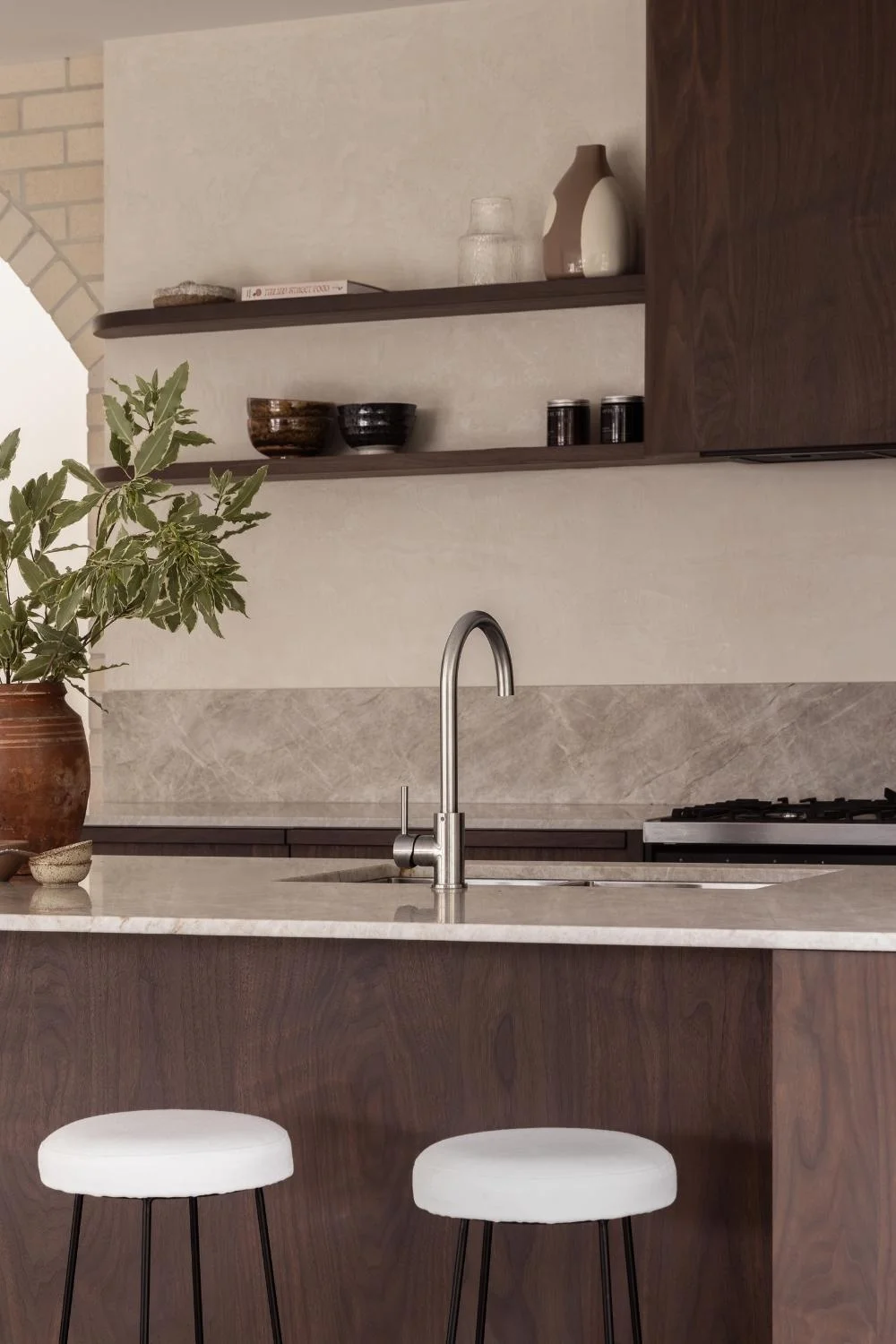
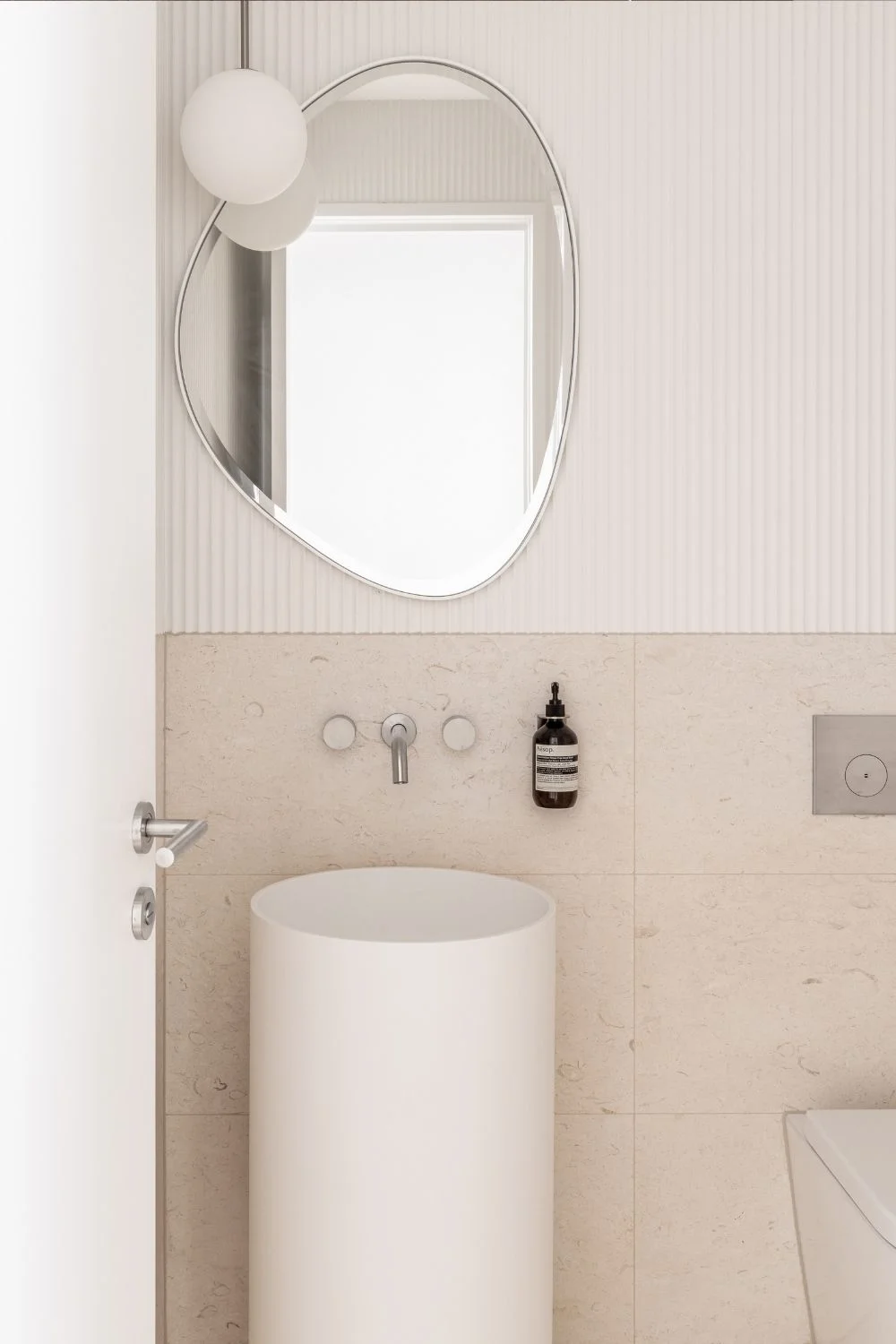
The different silver finishes each offer a distinct aesthetic, with the best option depending on the mood and material palette of your space.
Choose brushed nickel if:
- You prefer clean minimalism and a contemporary look
- You prefer soft, layered luxury over overt shine
- You’re pairing fixtures with timber, travertine, or warmer natural materials
Choose stainless steel if:
- You prefer clean minimalism and cooler palettes
- You want a timeless, architectural silver finish
- You’re designing for outdoor, coastal, or high-use environments
Choose chrome if:
- You love a bright, mirror-like finish with maximum reflectivity
- You want a timeless silver finish that works across both classic and contemporary interiors
- You're looking to brighten a space with a clean, crisp aesthetic
Choose Antique Steel if:
- You want texture and depth rather than uniformity
- You prefer an antique silver finish with a softly aged, hand-finished character
- You’re styling a Japandi, Mediterranean, organic contemporary, or industrial-inspired space
All three silver finishes are available across our range of tapware, showers, sinks, hardware, and accessories, making it easy to carry a cohesive look through every room.
Still unsure which silver finish feels right for your space? Our team is here to help; book a complimentary design consultation for tailored, expert guidance.
For more inspiration, read these guides:
A Guide to Our Brass Finishes: Brushed Brass, Antique Aurum & Tumbled Aged Brass
A Guide to Our Gunmetal Finishes: Antique Slate & Brushed Gunmetal
A Guide to Our Copper Finishes: Antique Bronze vs Brushed Copper