Our Range












How to Renovate a Bathroom
Bathroom renovations can dramatically improve the look and functionality of your home, however, knowing how to renovate a bathroom is often filled with uncertainty and apprehension. Concerns about cost, disruption, and decision-making can quickly become overwhelming, particularly when working with a limited budget.
With the right planning and a straightforward process, bathroom renovations can be approached with confidence. This guide provides a practical, six-step approach, covering everything from early planning and budgeting to design decisions, trades, and final finishes, while outlining realistic timelines to help you know exactly what to expect at each stage.
Planning Your Bathroom Renovation
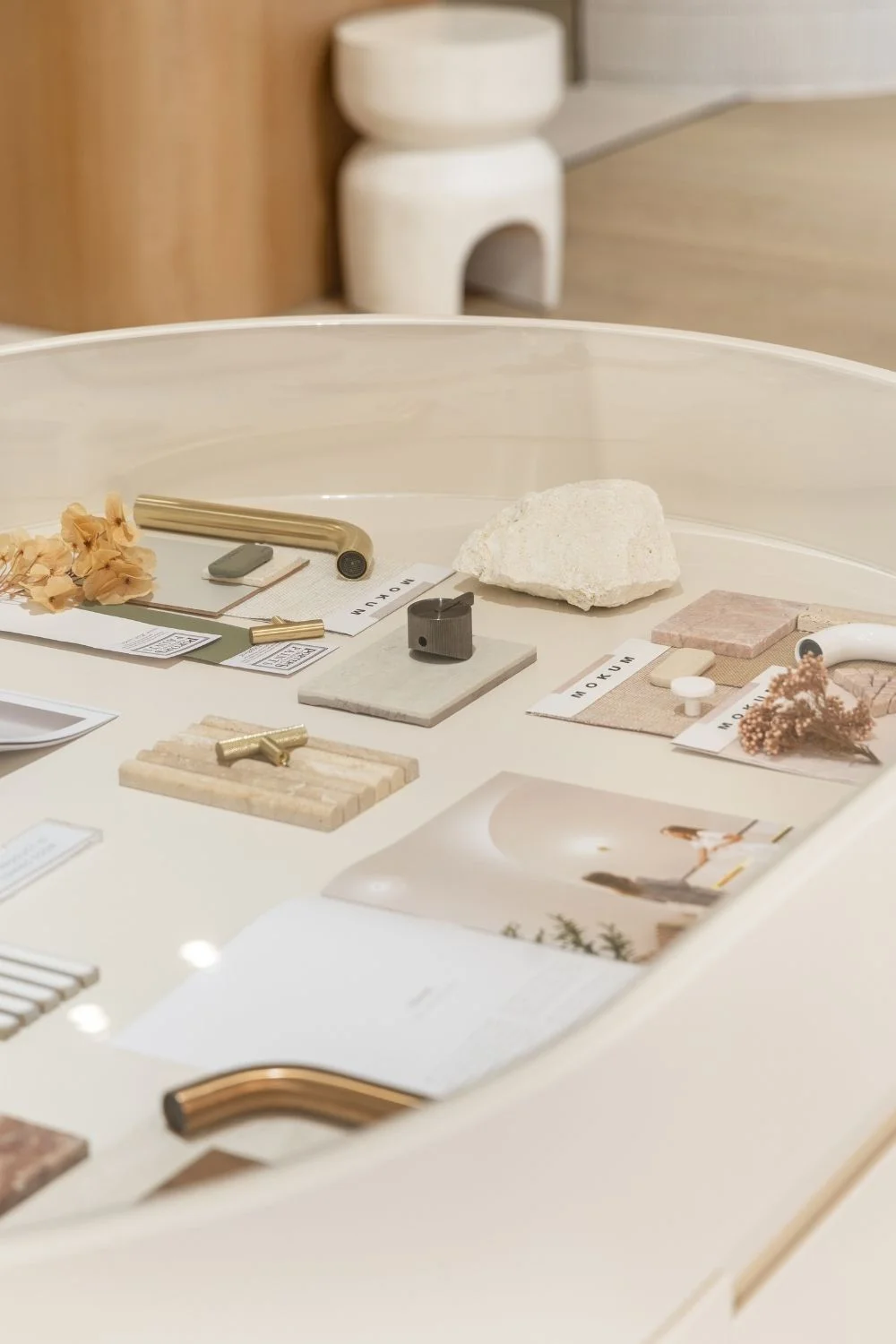
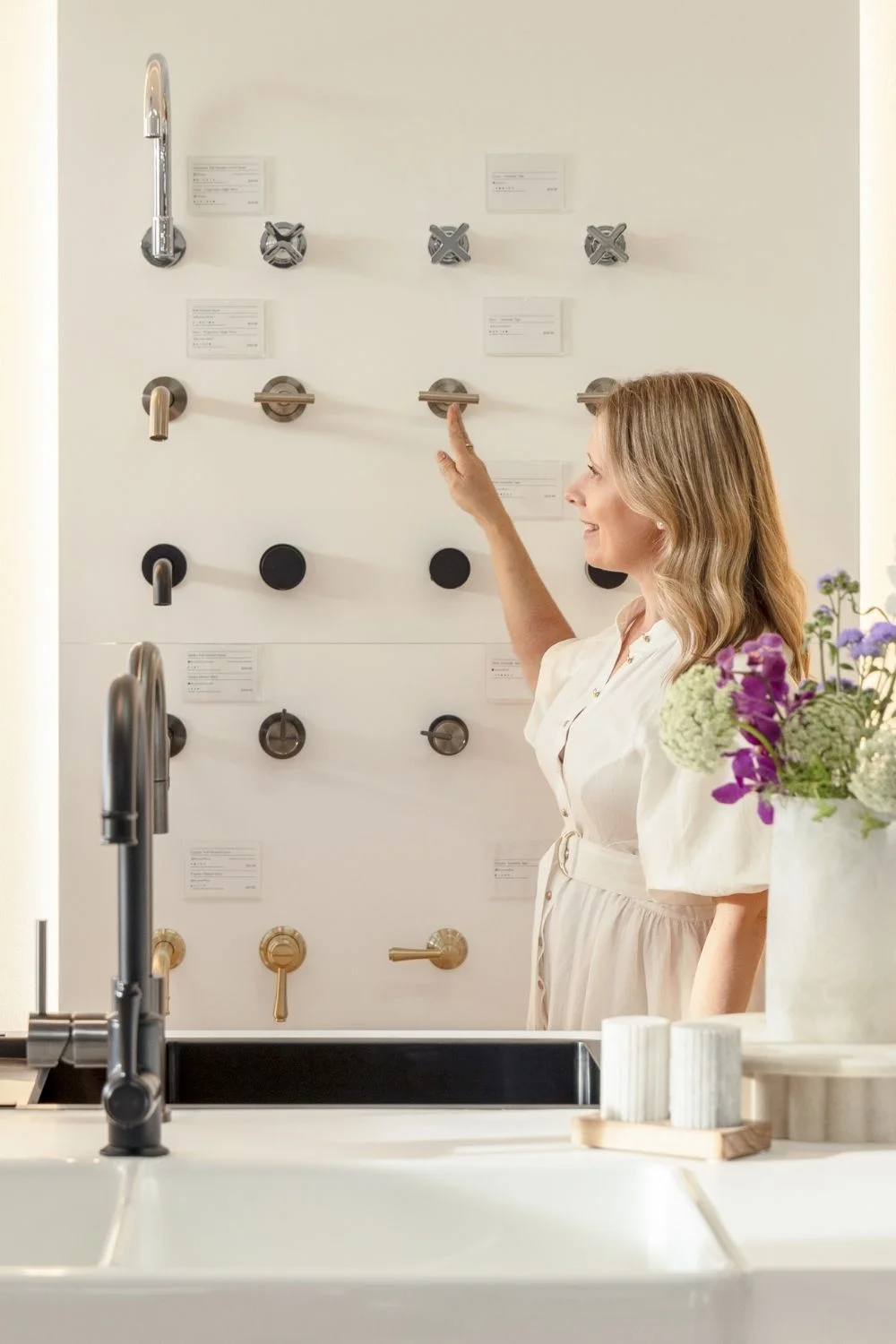
Before starting your bathroom renovation, decide whether you’re planning for a complete overhaul or simply a cosmetic refresh. This will help you define your approach and the scope of the work you need to undertake. If you are undertaking a full renovation, it is also essential to understand any layout limitations and waterproofing requirements, as well as to identify your goals in terms of style, storage, and accessibility. It’s also a good idea to gather inspiration from design magazines, online platforms, and showrooms to clarify your vision and guide your decisions.
How to Budget for a Bathroom Renovation
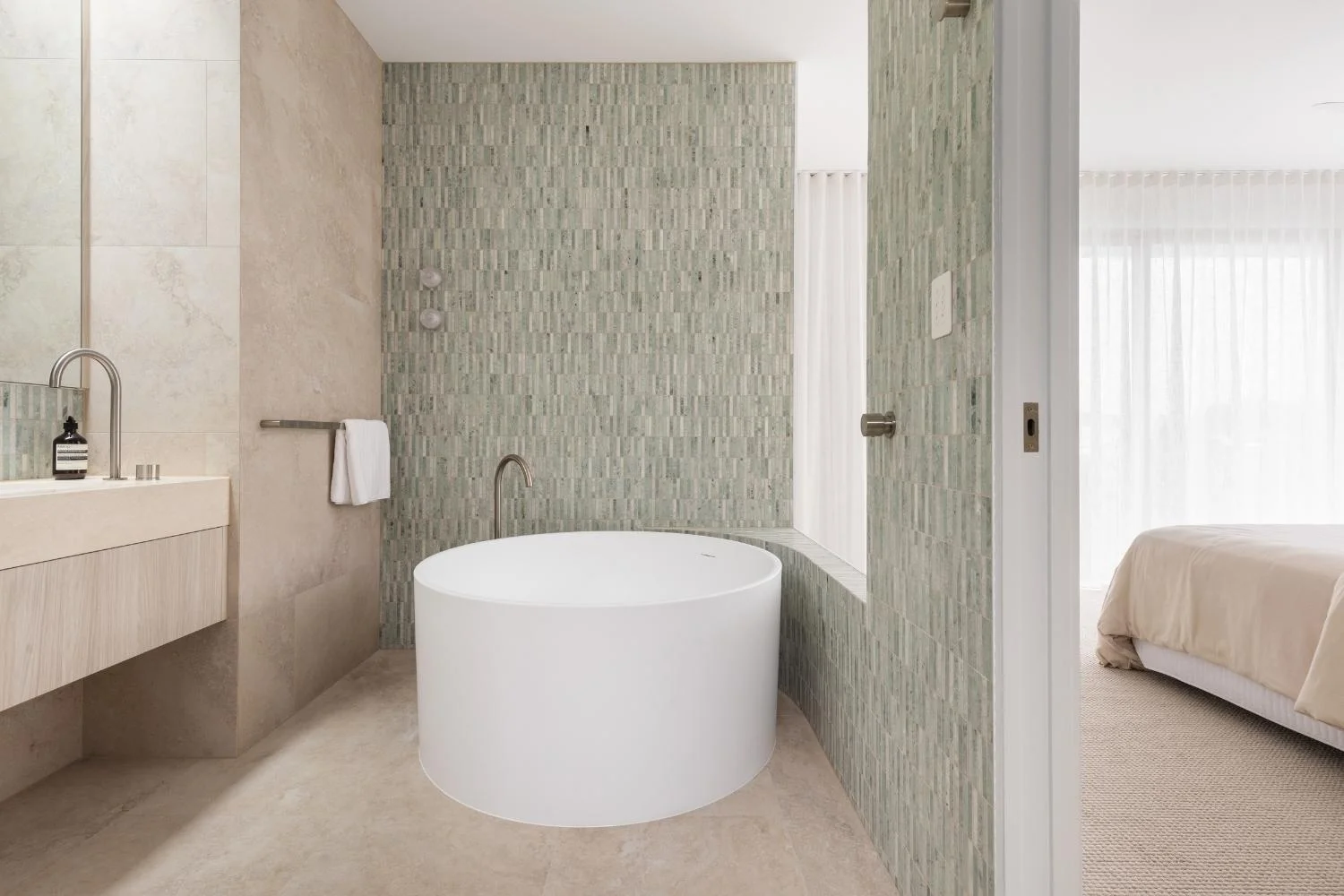
Accurately calculating your renovation costs is crucial when renovating a bathroom. While the size of your space plays a role, your overall budget will also be shaped by the condition of existing plumbing, the complexity of the layout, and the quality of materials and fixtures you choose. It’s essential to factor in often-overlooked costs, such as plumbing upgrades, waterproofing, electrical work, waste removal, and labour, as these can significantly impact your final expenditure.
Understanding where to save and where to invest can have a significant impact on your renovation budget. Prioritising tapware, waterproofing, and installation can help avoid costly issues down the track. Quality tiles, cabinetry finishes, and bathroom accessories may offer opportunities to stay within budget without compromising on style. Allowing a contingency of around 10–15% is also wise, particularly in older homes where unexpected issues may arise.
It’s also worth factoring in the practical implications of your design choices. For example, large-format tiles can reduce grout lines, simplify installation, and shorten the overall installation time, while mosaic tiles are better suited for splashback walls. These core design decisions then influence other major product selections, including bathroom vanity units, basins, and baths.
Investing time in refining these design decisions makes it easier to choose bathroom products that deliver on aesthetics, performance, and long-term durability. Our Nesso Collection, for instance, is designed with this balance in mind, offering a refined take on minimalist square forms. Made from lead-free 304 stainless steel, Nesso is available across tapware, showers, and accessories, supporting both durability and a cohesive bathroom aesthetic. With five versatile finishes, it adapts seamlessly to a range of interior styles as well.
Consider booking a complimentary showroom consultation for guidance on selecting ABI products best suited to your bathroom renovation. Additionally, our Bathroom Renovation Calculator is a helpful starting point for understanding the likely cost of your renovation. By entering a few key details, you’ll receive an estimated breakdown that considers materials, labour, fixtures and fittings, along with recommended allowances for contingencies and project margins.
How to Renovate a Bathroom in 6 Steps
This guide breaks a bathroom renovation into clear, manageable stages, covering everything from early demolition through to waterproofing, tiling, and the final finishes.
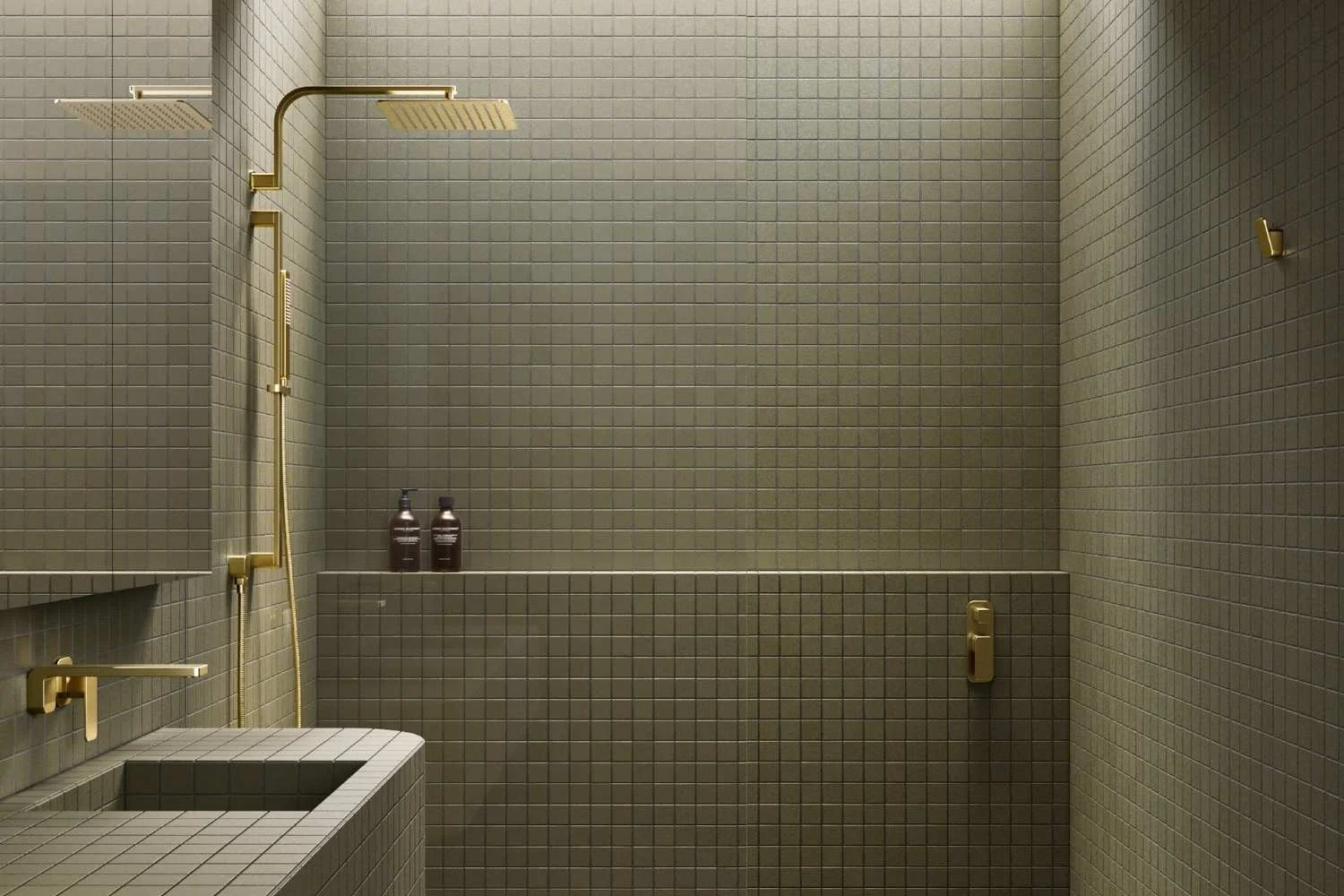
Step 1: Demolition and Strip-Out
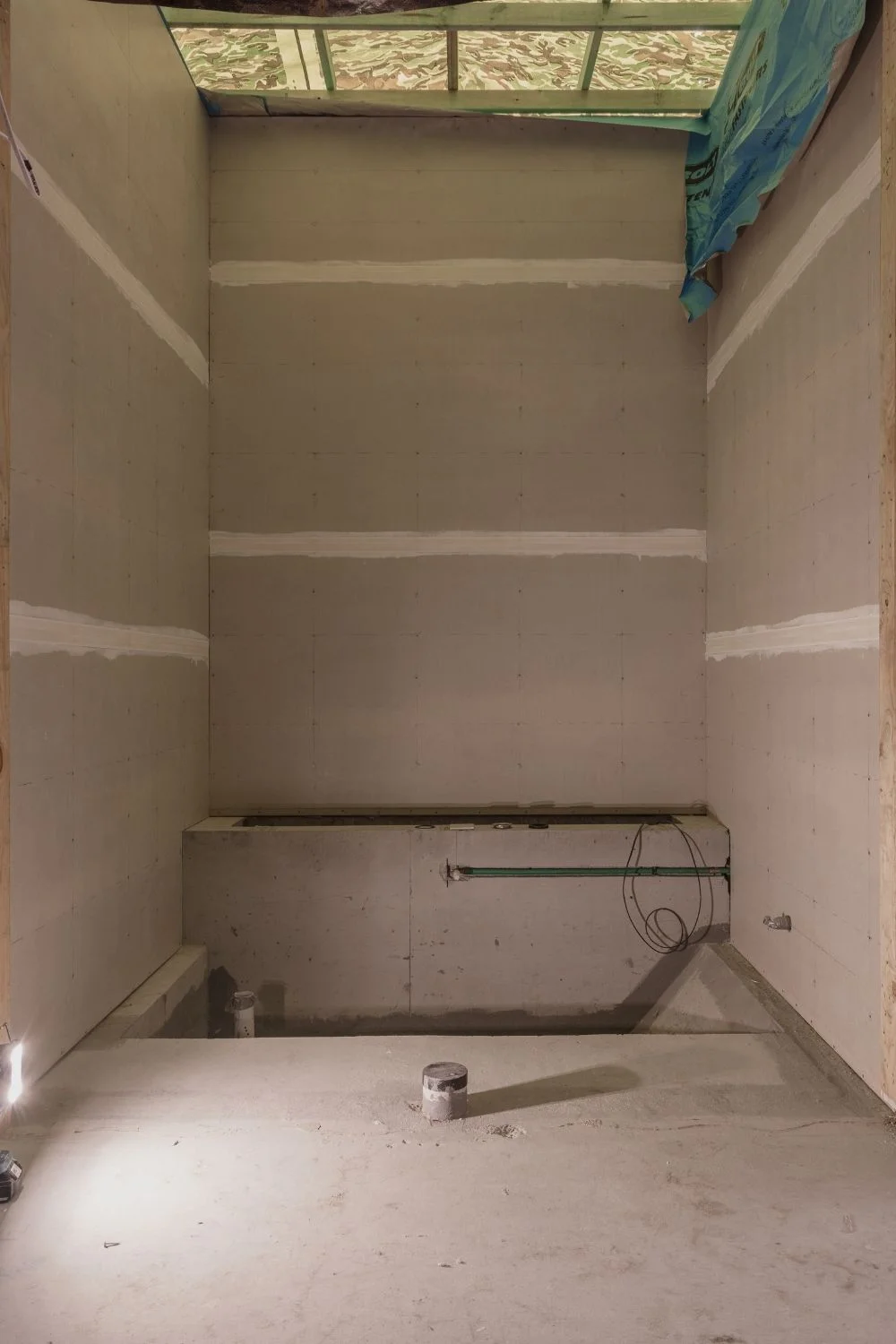
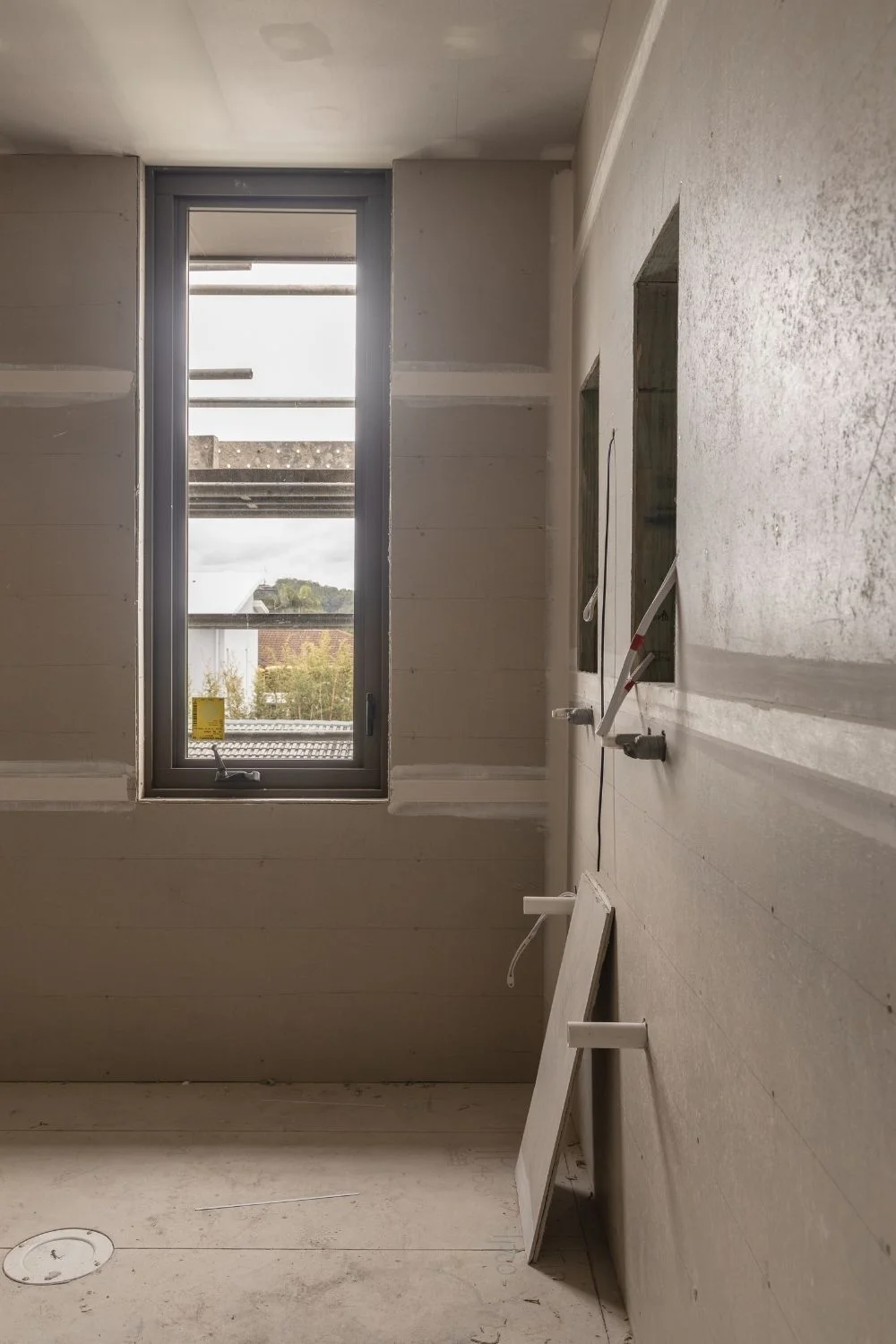
During this stage, the existing bathroom is entirely removed, including fixtures, tiles, and vanities, to prepare the space for the new design. Careful planning is essential, particularly in older homes, as it can uncover hidden issues such as water damage or outdated plumbing that may need to be addressed before work commences.
For peace of mind, using qualified, licensed tradespeople for demolition and strip-out ensures the work is carried out safely and helps prevent unnecessary damage.
Step 2: Plumbing and Electrical Rough-Ins
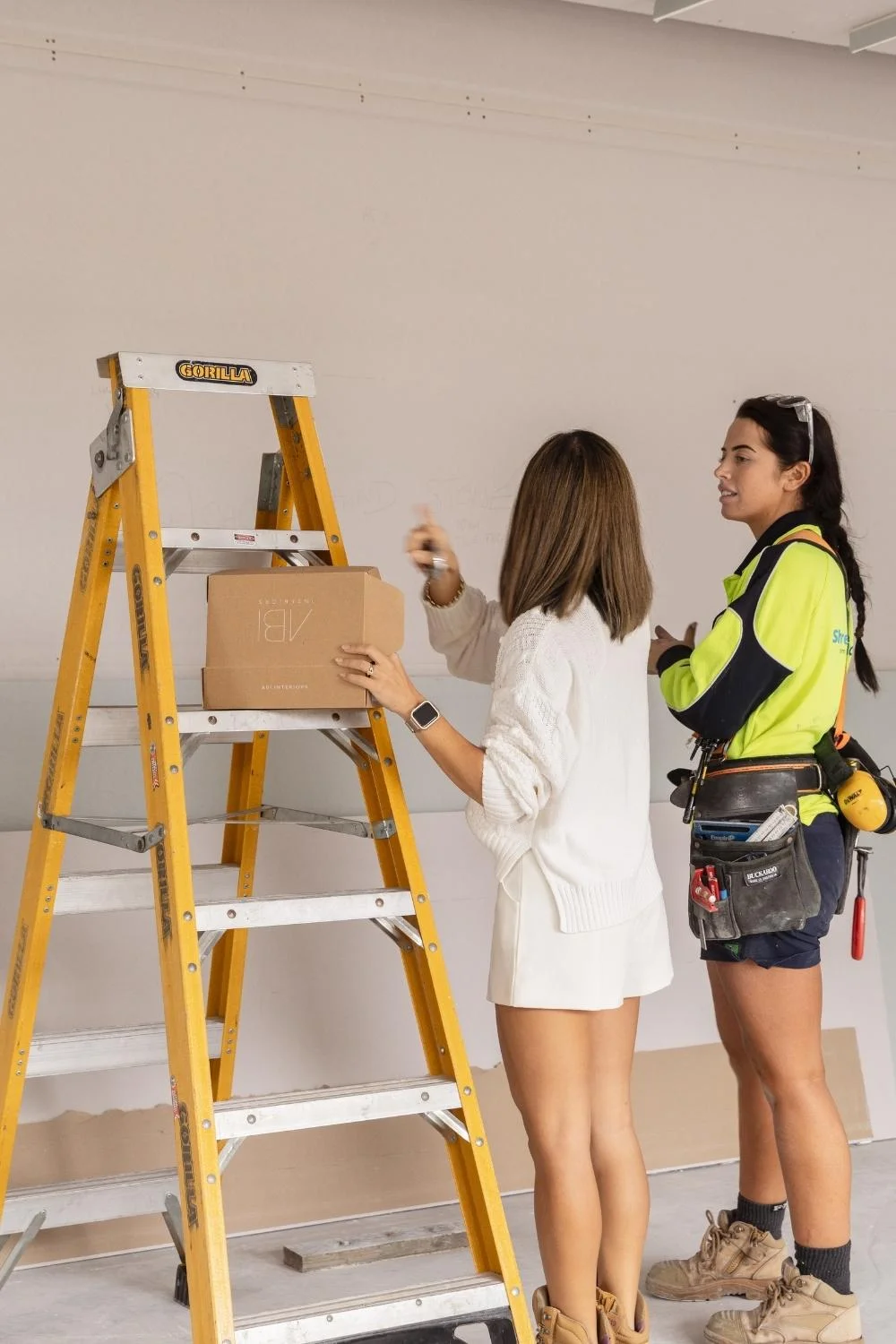
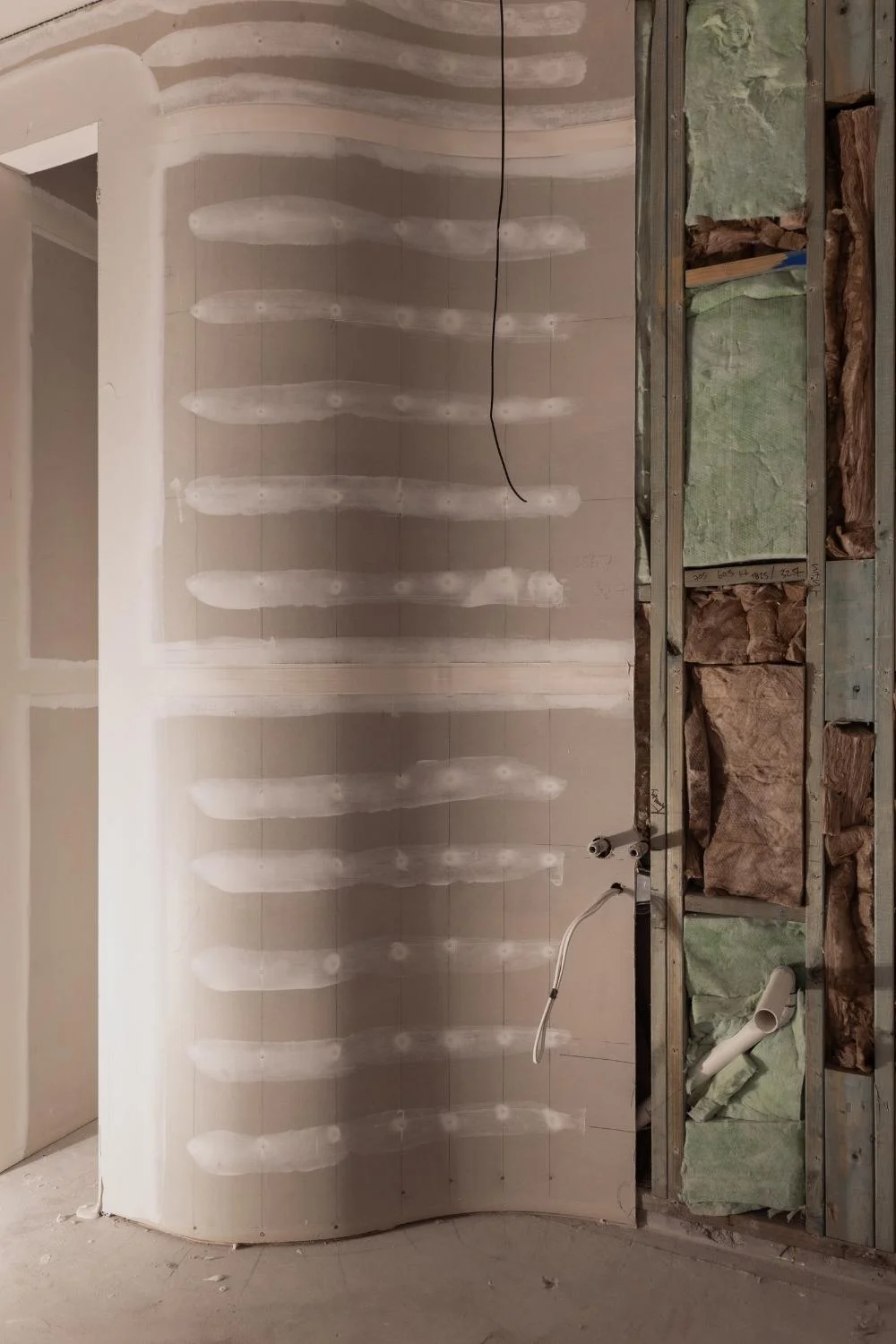
Once the old fixtures and finishes have been removed, work starts on the services behind the walls and floors. This stage involves relocating plumbing to accommodate the new layout, running electrical wiring, and installing lighting points for vanities, mirrors, heating, and ventilation. These rough-ins must be completed before walls are closed, as they determine the final placement and functionality of all bathroom fixtures.
Careful coordination at this stage is essential to ensure plumbing and electrical services align with your approved design and product choices. Preparation for waterproofing also begins here, with surfaces assessed and readied to meet the requirements of the New Zealand Building Code before membranes are applied in the next stage. Once again, all plumbing and electrical work should be carried out by licensed tradespeople to ensure compliance and avoid costly changes later in the renovation process
Step 3: Waterproofing
Waterproofing is one of the most critical stages of a bathroom renovation, and as noted, it must comply with the relevant regulations. This process involves applying mandatory waterproofing membranes to floors and designated wall areas, including showers, baths, and wet zones, to protect against moisture penetration and long-term structural damage.
Compliance with New Zealand standards is essential, with specific requirements for coverage, application methods, and detailing. Equally important is allowing adequate drying and curing time before tiling can begin. Rushing this stage can compromise the integrity of the waterproofing system and lead to costly issues down the track, making it a key factor in determining the overall renovation timeline.
Step 4: Tiling and Flooring
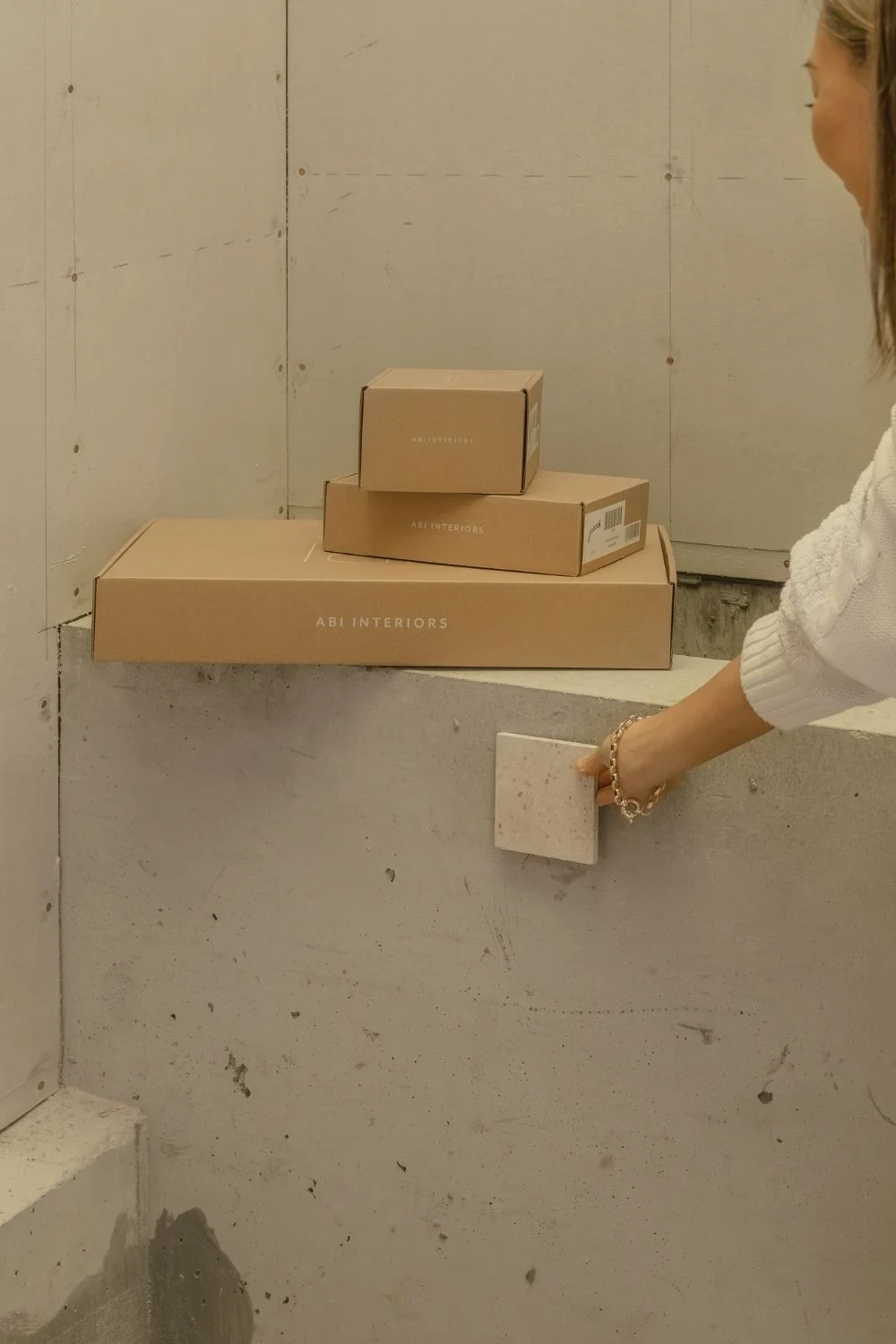
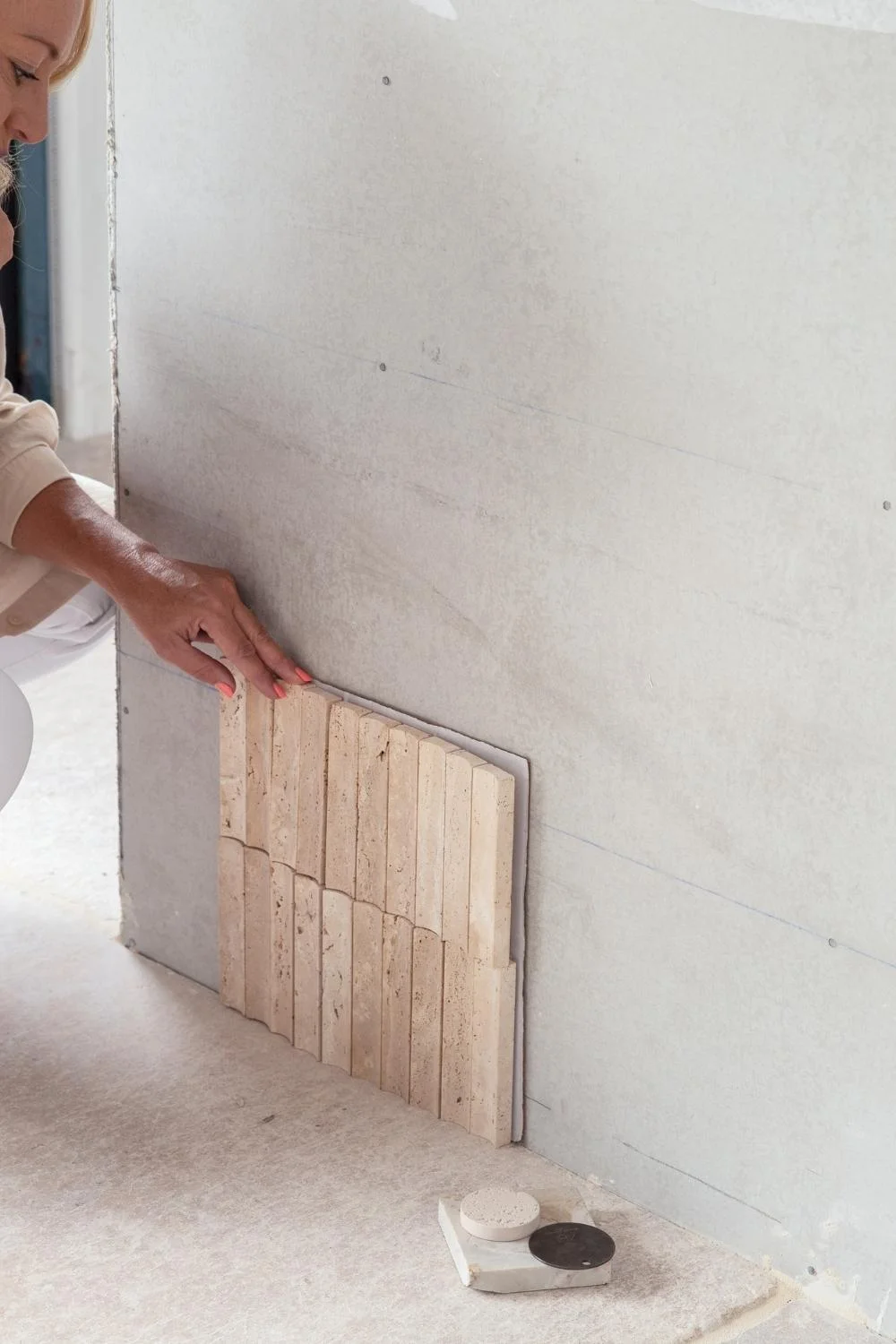
After the waterproofing has fully cured, it’s time to tile the floors and walls, which will bring a major visual transformation to the bathroom. At this point, layouts are set, levels are established, and the overall structure of the space begins to take shape, making precision and quality of work critical.
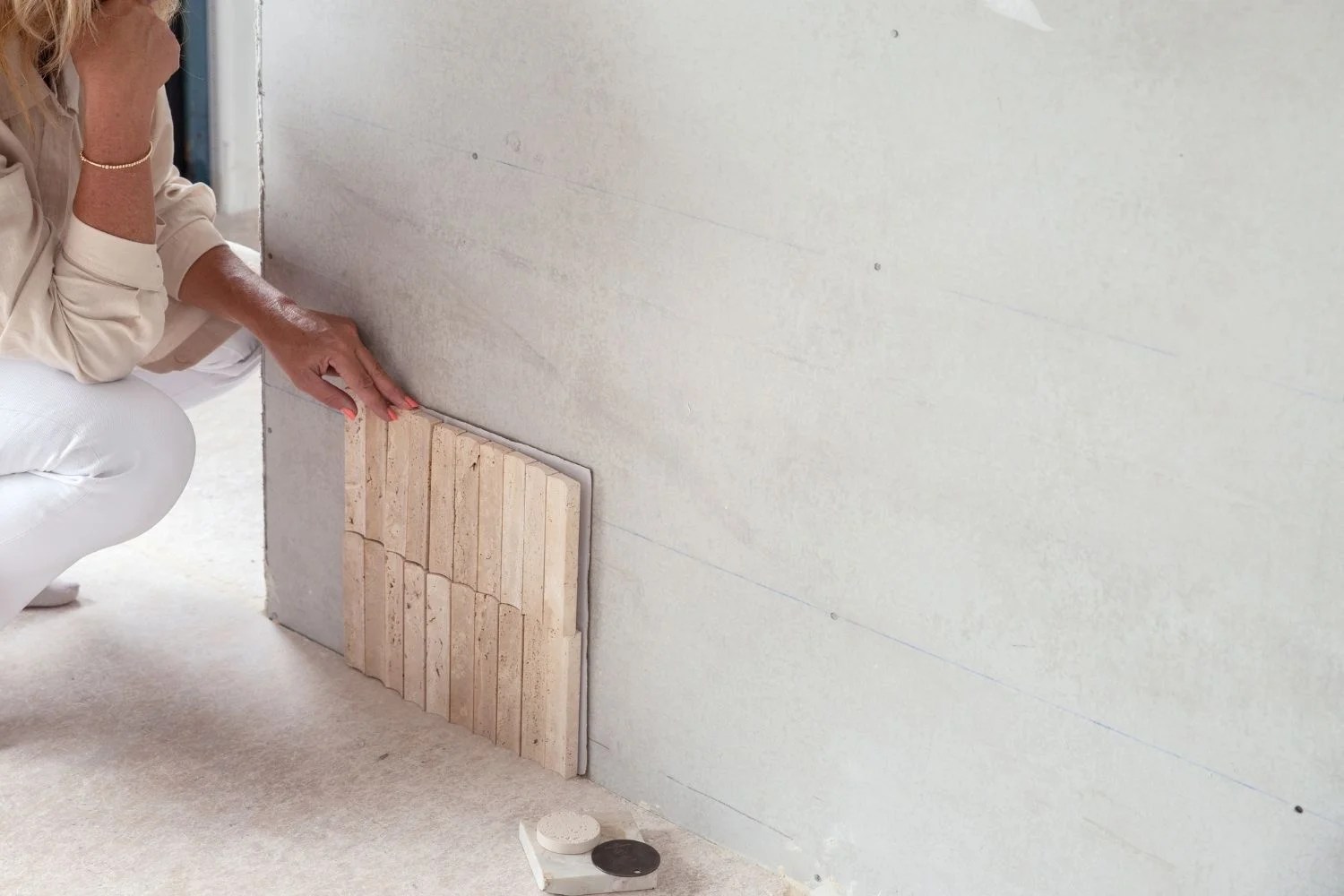
Large-format tiles are often chosen to unify the bathroom, bringing visual continuity to walls and floors while establishing a solid architectural base. Their clean lines and reduced grout joints contribute to a more refined finish, allowing other fixtures to sit cohesively within the space. Small tiles, such as mosaics and zellige tiles, are ideal for feature walls and splashbacks in bathrooms.
Shop our complete range of tiles.
Step 5: Installing Fixtures and Fittings
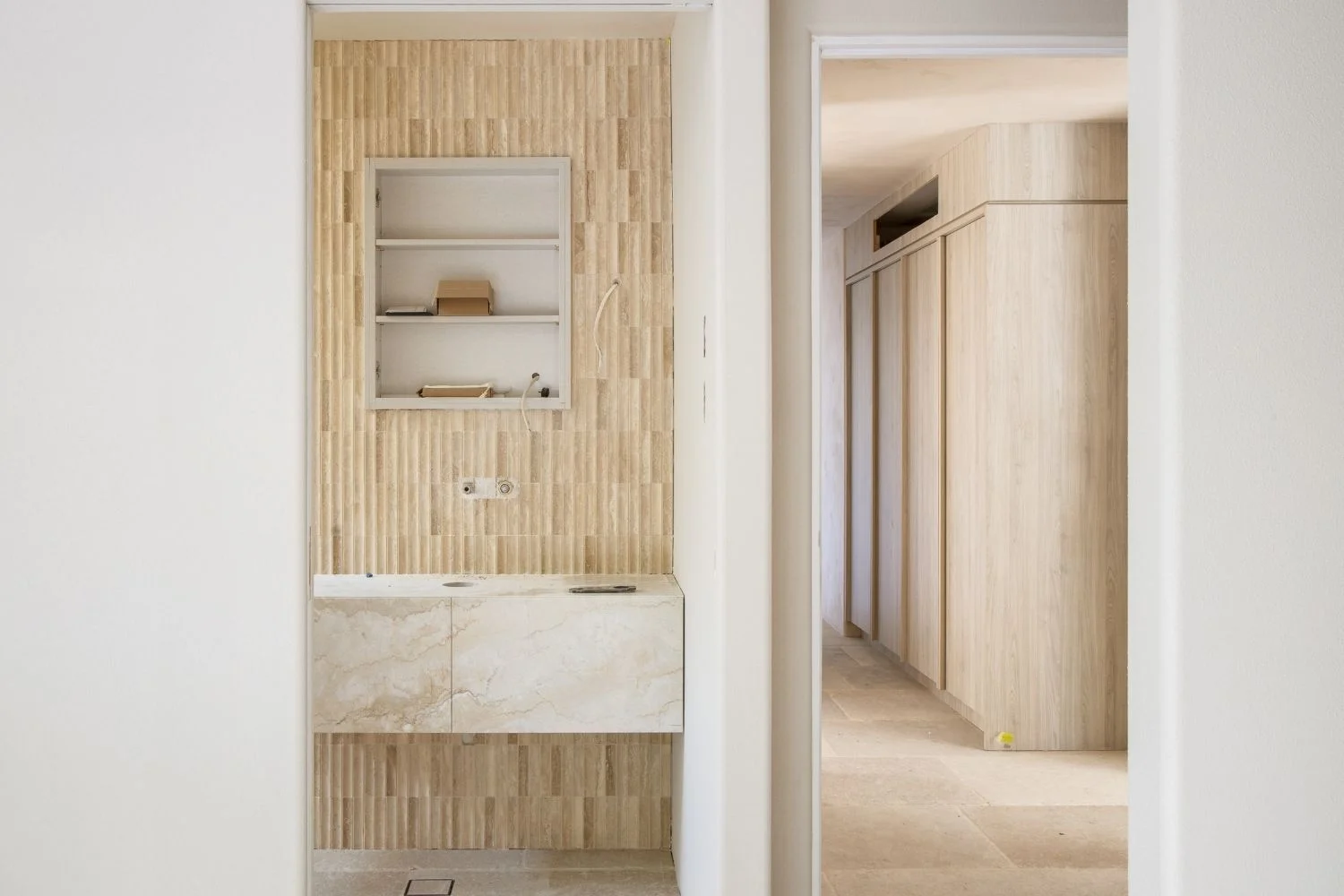
Once the tiling is finished, attention turns to fixtures and fittings. This stage involves installing tapware, showers, vanities, basins, toilets, and shower wastes and floor wastes, transforming the space into a functional bathroom.
Accurate installation is essential, as these elements rely on the plumbing and waterproofing that were prepared earlier. Quality fixtures not only elevate the overall design but also contribute to long-term performance and durability. Thoughtfully selected pieces, such as tapware and aesthetic drains, help create a cohesive finish, ensuring every element works seamlessly visually and practically within the space.
The benefits of ABI’s Infiniti Technology should also be considered. With an In-Wall kit for rough-in and a Tap Handle Kit for fit-off, you can start the rough-in process without waiting on final tapware choices. You can then select the handle style and finish later, and even change your tapware after installation, making updates and design changes simple.
Step 6: Painting, Sealing, and Finishing Touches
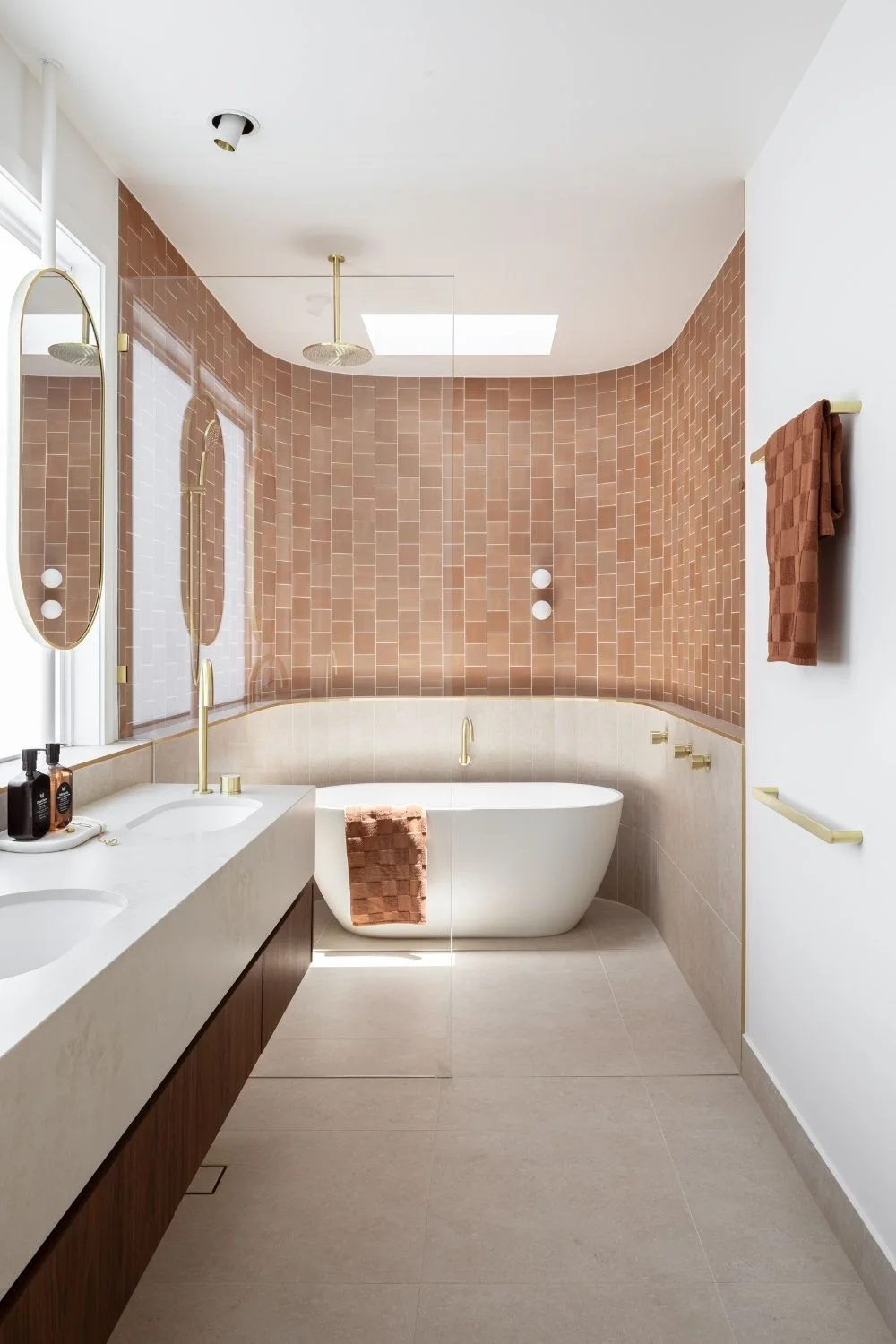
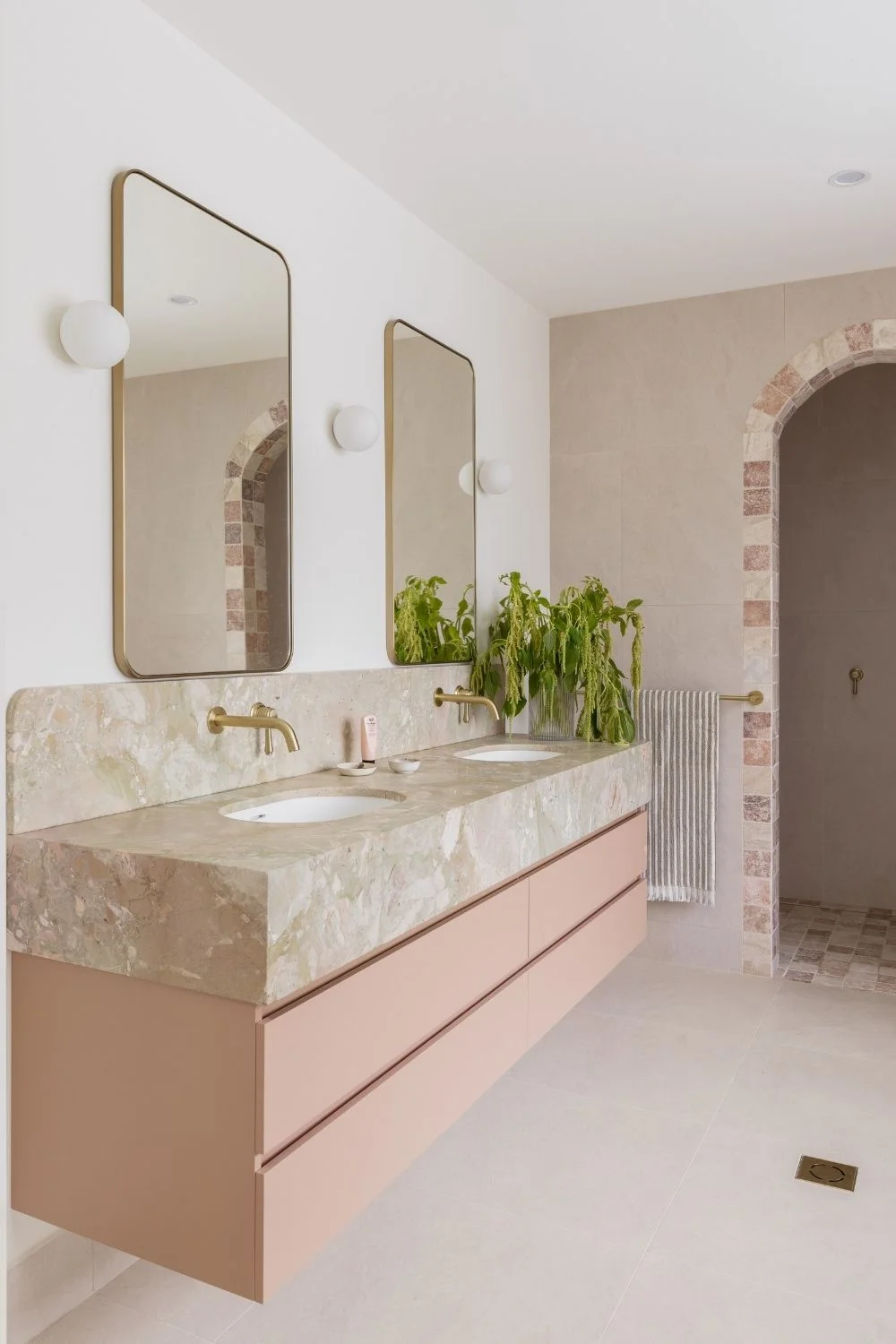
The final stage of a bathroom renovation involves assembling the design elements and installing the final details. This includes painting walls and ceilings, sealing around wet areas, installing mirrors, shelving, and any other fittings, as well as adding final styling touches.
Precision matters at this stage. Clean, well-applied caulking and sealing elevate the bathroom’s finish and safeguard it against water damage. The final details complete the space, bringing your bathroom together seamlessly.
How Long Will a Bathroom Renovation Take?
The duration of a bathroom renovation varies depending on the size of the space and the complexity of the project. As a practical guide, it’s helpful to dedicate about a week to each of the six key stages outlined above, from demolition and strip-out through to plumbing, waterproofing, tiling, fixture installation, and finishing touches.
Allocating adequate time for each stage ensures careful completion, prevents unnecessary delays, and protects the quality and longevity of the finished bathroom. Don’t forget to allow extra time for planning, taking accurate measurements, and ordering materials before work begins, as these steps are as important to a smooth renovation as the construction itself.
Small Bathroom Renovations
Small bathroom renovations are all about maximising the available space you have. Clever design choices can enhance both functionality and the sense of openness, making your bathroom feel larger and more practical.
Some practical ways to achieve this are:
- Vertical storage to free up floor space
- Wall-hung vanities and toilets to create a sense of openness underneath fixtures
- Large-format tiles on floors and walls to give the illusion of a bigger space
- Light colour palettes to reflect light and make the room feel brighter
- Smart lighting placement to enhance functionality and highlight features
- Mirrors to visually expand the space and increase natural light, and bathroom mirror cabinets for convenient storage
These factors should be considered from the outset and integrated throughout the six-step renovation process. By planning carefully, even a compact bathroom can feel airy, stylish, and highly functional, with every detail contributing to the ideal modern bathroom renovation.
Renovation Checklist
This checklist provides a simple way to track your progress and ensure all the essential elements of your renovation are ready before work begins:
| Budget Set | |
| Trades Booked | |
| Materials Ordered | |
| Timeline Set | |
| Measurements Confirmed | |
| Styling Vision Decided |
For further inspiration, check out these blogs:
Bathroom Renovations: 9 Things You Need to Know
Bathroom Renovations: Bathtub, Shower, or Both?
Bathroom Renovations Under $5,000: 10 Ideas to Upgrade Your Bathroom on a Budget